
Last updated November 24, 2026
 Sweep & inspection
 Caps & crowns
 Flue relining
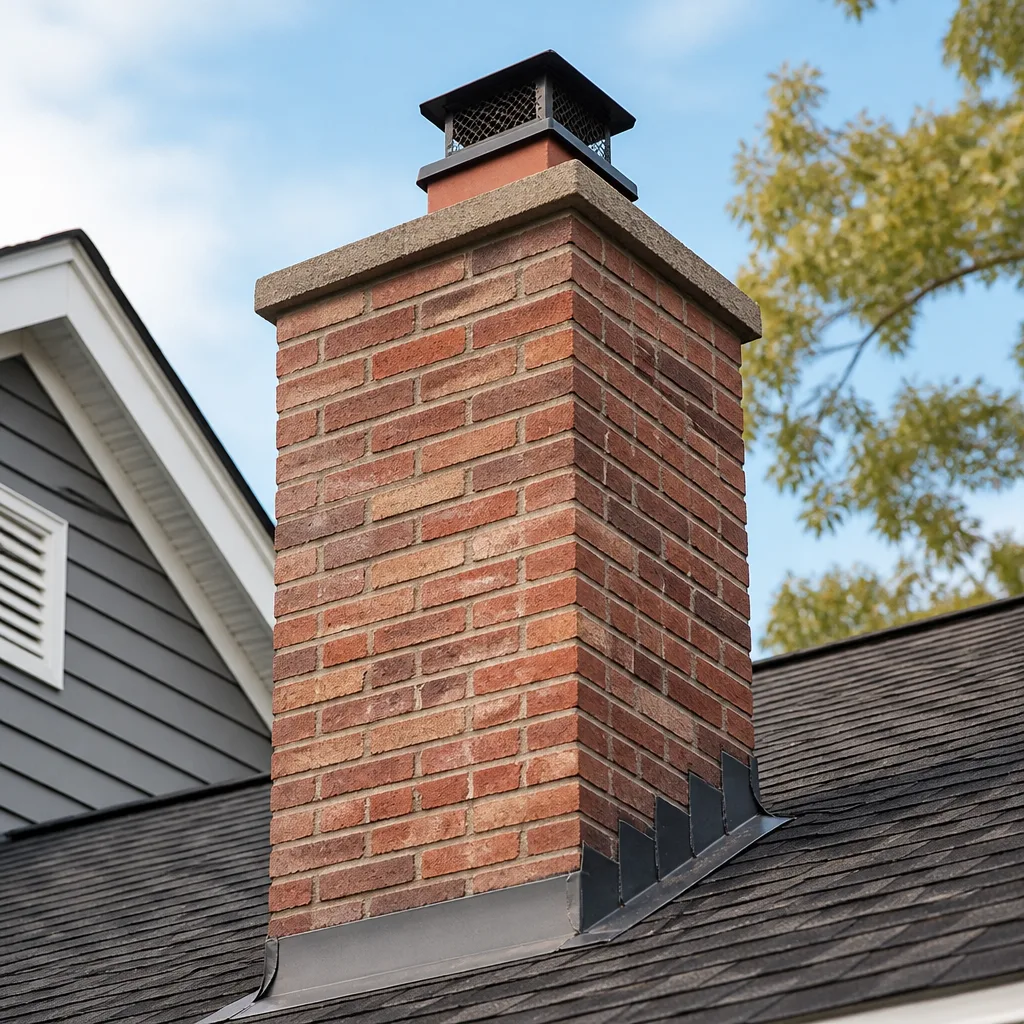 Masonry repair
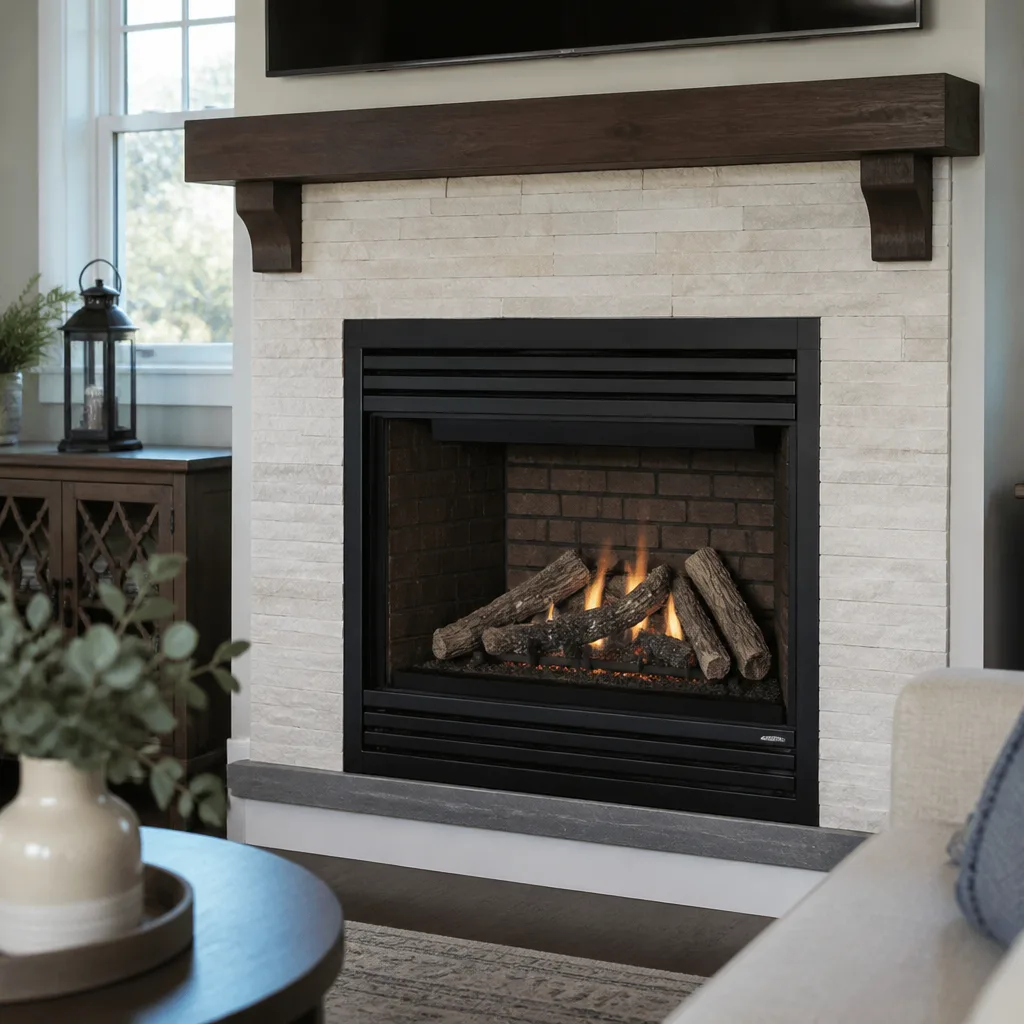 Gas fireplace service
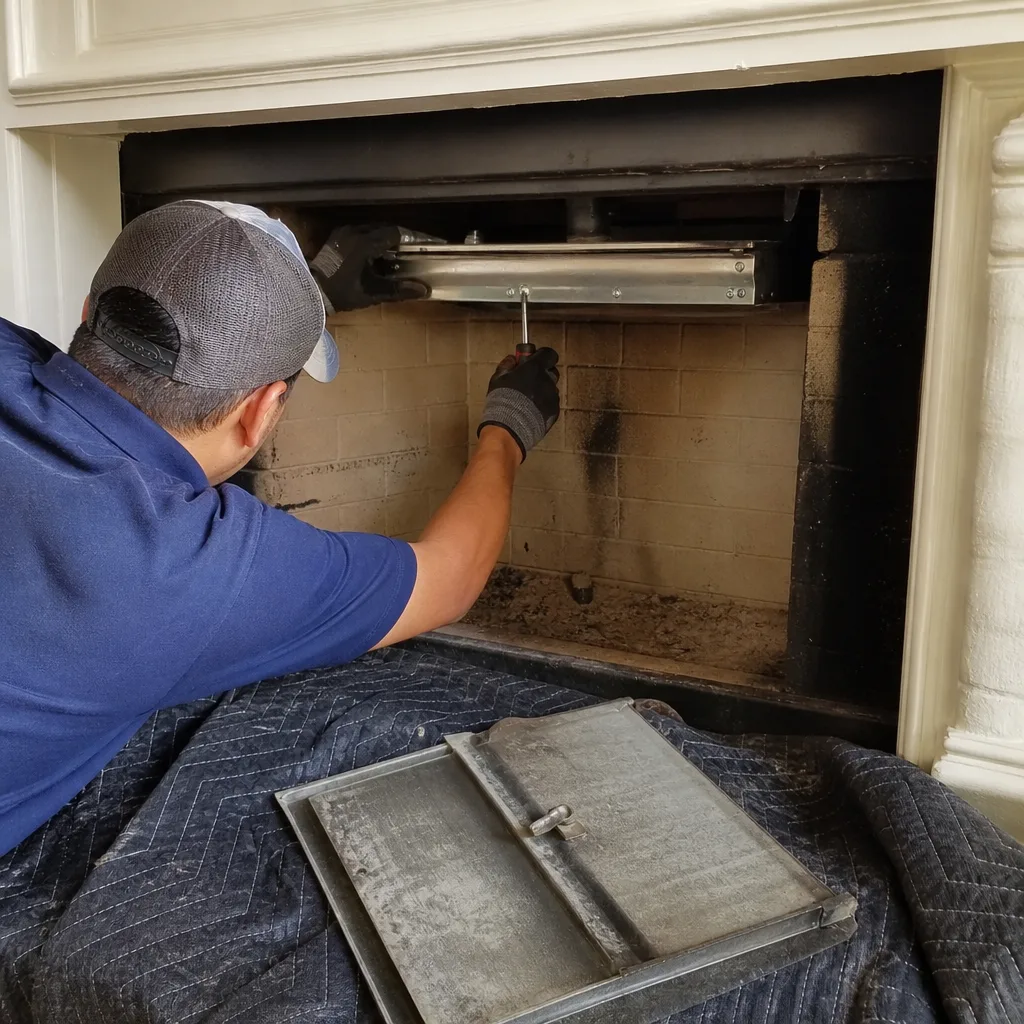
Level 1 sweep and inspection to the NFPA 211 annual standard - flue, crown, cap, and flashing checked and photographed
Chimney sweep logs do not sweep chimneys. They loosen some creosote - which then falls where a brush and vacuum still have to collect it.
The Complete Guide to Chimney Cleaning in Meyerland
Most people assume a chimney is either clean or dirty, and that a brush in the flue settles the matter. That’s the misconception this guide takes apart. In Meyerland, the flue has usually been through more than fire and soot: Houston’s humidity, the neighborhood’s mid-century clay liners, and the flood history of this part of the city all change what “clean” and “safe” actually mean. What follows is the real process a proper chimney cleaning in Meyerland involves, what a sweep can and cannot tell you, and how to know the job was done completely. You’ll learn what to check, what to document, and when a sweep alone isn’t enough.
Quick Answer
Chimney cleaning in Meyerland means removing creosote and soot from the flue and firebox, then inspecting the liner and masonry for damage that a brush can’t fix. Because Houston’s humidity pushes creosote toward the hard, glazed stages faster than in dry climates, and because mid-century Meyerland homes carry thinner clay liner tiles, a complete job here means a cleaned flue plus a documented inspection. A brush pass that stops at “it’s clear” leaves the important questions unanswered.
Styles & brands we work with
- Sweep & inspection
- Caps & crowns
- Flue relining
- Masonry repair
- Gas fireplace service
Table of Contents
- Why Meyerland Chimneys Age Differently
- How Houston Humidity Changes Creosote
- What Post-Flood Chimney Inspection Looks For
- Level 1, Level 2, and Level 3 Inspections Explained
- Thin Clay Liners in Mid-Century Homes
- What a Complete Cleaning Actually Involves
- What You Should Walk Away With
- What Cleaning Costs in Meyerland
Why Meyerland Chimneys Age Differently
Meyerland is a neighborhood of ranch homes and mid-century builds, many of them now more than half a century into their service life. Their chimneys were designed for a different era of construction: clay tile liners sized for open masonry fireplaces, mortar joints mixed to the standards of the day, and crowns cast with materials that have spent decades expanding and contracting through Houston’s hot, humid summers. That history matters for cleaning because the condition of the flue determines how the job has to be done.
A sweep in a newer home with a stainless liner is largely a mechanical job. A sweep in a Meyerland home is partly an inspection in disguise. The brush tells you what it dislodges, but the technician is watching for things the brush can’t fix: hairline cracks along the liner tiles, joints that have shifted, mortar that has gone soft enough to be scraped away with a screwdriver. Those conditions don’t always announce themselves with smoke or smell, and they’re exactly what gets missed when a homeowner hires whoever’s cheapest.
Housing stock and tree canopy both play a part. Meyerland’s mature trees shade roofs through much of the year, which keeps masonry cooler and damper longer after a rain, and that lingering moisture works on chimney exteriors as well as interiors. When a cap is missing or a crown has cracked, water finds the same route into the flue on every storm. Run that cycle across many seasons and you get the efflorescence, spalling, and deteriorated mortar that older Meyerland chimneys commonly show. A cleaning that happens without inspecting for those patterns is a surface pass, not a chimney cleaning in any useful sense.
None of this means every old chimney is failing. It means age and climate are both part of the picture, and the inspection tells you which way a particular chimney is going. We work on Meyerland chimneys full time and see how the same materials behave under the same conditions year after year. That’s why we treat cleaning and inspection as one visit rather than two separate errands.
How Houston Humidity Changes Creosote
Creosote is the tarry byproduct of incomplete combustion, and it builds up in stages. Stage 1 is a light, flaky deposit that comes off with routine brushing. Stage 2 is a denser, crustier layer that takes more work. Stage 3 is glazed, hardened, and bonded to the flue surface, and it is the stage that starts chimney fires. Humidity doesn’t create creosote, but it changes how fast the deposits set up and how they behave once they form.
In a dry climate, creosote dries out between fires and much of it stays loose and friable. In Houston, the air inside an unused flue stays humid, and the deposits absorb that moisture rather than curing dry. The result is a stickier residue that grabs the next fire’s soot and smoke particles and builds faster than it would in Tucson or Denver. This is the practical consequence of Meyerland’s climate and it’s why a single light brushing doesn’t reliably get flues clean here. When the deposits reach Stage 2 or Stage 3, brushing alone can polish the surface of the glaze without removing it.
Several factors push creosote buildup faster in our climate:
- Long stretches of humid, idle months followed by sudden cold snaps and heavy fire use
- Seasoned wood that has absorbed ambient moisture and burns cooler than dry wood
- Restricted draft from a clogged cap or a partially blocked flue, which slows the exhaust and lets more deposits settle
- Burning green or wet wood, which produces more smoke and more unburned material
Hard deposits are the reason some flues need more than a brush. When glazed creosote is bonded to the clay liner, chemical treatments and mechanical tools come into play, and the technician needs to evaluate whether the liner material underneath will survive that work. If a liner is already compromised, the right move is restoration rather than aggressive scraping. That’s where HeatShield comes in: a proprietary resurfacing system for liner restoration that gives us an option beyond demolition and replacement when the existing liner can be saved.
The practical takeaway for Meyerland homeowners is that “I had it swept” isn’t a complete answer to fire safety. It’s the starting point. The right material for the repair depends entirely on what the inspection finds, which is why we send technicians who know the difference between loose soot and glazed creosote and can act on what they see.
What Post-Flood Chimney Inspection Looks For
Water and masonry don’t get along, and a chimney that took on flood water has been through a specific kind of stress. Before we get into what inspectors look for, the safety point should be stated plainly: fire in a compromised flue is a genuine hazard. A flue with cracked liner tiles or dissolved mortar joints can let heat, smoke, and carbon monoxide reach parts of the house it was never designed to enter. That’s serious, and it’s also why this section is about what an inspector checks, not instructions for checking it yourself.
When a chimney has been through a flood, a standard sweep doesn’t cover the relevant territory. A Level 2 inspection does. Here is what we look for in a chimney that has seen standing water:
- Efflorescence on the masonry. The white, powdery crust left behind when water moves through brick and mortar and evaporates is a record of prior moisture. Where it shows up tells you how far water traveled.
- Spalled mortar and brick faces. Water in a mortar joint expands and contracts as it dries and re-wets, and eventually the joint softens and crumbles. Spalling means the mortar no longer holds the tile in place.
- Offset or shifted liner joints. Clay tiles are stacked inside each other. Water can lubricate or erode the joints enough for a tile to shift, and a misaligned joint is a gap in containment.
- Corroded or missing caps and crowns. A flood typically means a damaged cap or crown, and both are the chimney’s first defense against every subsequent rain.
- Liner cracks and voids. Visible damage, and sometimes damage that only becomes clear once the flue is cleaned and inspected with a camera.
- Firebox and smoke chamber condition. Water sits in low places, and the smoke shelf and smoke chamber are low places.
If you’re a Meyerland homeowner who went through a flood and has never had the chimney re-inspected, that’s the one item on this list worth acting on first. If you’re buying or selling a home in Meyerland and the chimney’s history isn’t documented, the same applies. A sweep tells you it’s clean. An inspection tells you it’s safe, and those are different questions. Our inspection is a standalone service, so you can get an honest condition assessment without being automatically upsold into cleaning or repair work.
Level 1, Level 2, and Level 3 Inspections Explained
Chimney inspections are standardized. The NFPA 211 standard defines three levels, each with a different scope, and knowing which one you need is half the battle. Here’s a plain summary of what each level covers.
- Level 1 inspection. A visual check of the readily accessible parts of the chimney and fireplace, with the appliance in normal use. No tools that require disassembly. This is the routine annual visit and the appropriate level when nothing has changed in the system and there’s no known problem.
- Level 2 inspection. Everything a Level 1 covers, plus inspection of accessible parts of the chimney that aren’t visible without either a camera or access openings: the flue interior, the attic and crawl space, and the chimney’s exterior. This is the level required when the system has changed hands or changed condition.
- Level 3 inspection. Everything in Level 2 plus inspection of parts that are concealed and only reachable by removing building components. It’s the level used when a Level 2 has found a problem that has to be located before repair.
Which levels do Meyerland homes typically need? A Level 2 is the right call in several common situations here. A home that just changed owners needs a Level 2 because the new owner has no service history. A chimney that took on flood water needs a Level 2 because the damage is often inside the flue, not on the face. Any change to the chimney system, a new appliance, a change in fuel, or a known problem also calls for a Level 2. A Level 3 is a repair-stage inspection, so it comes up when a Level 2 has found something that needs to be pinned down before it can be fixed.
Our technicians have up to 9 years of experience working with these levels, and we’re authorized to work with professional chimney-industry brands including DuraFlex, HeatShield, Gelco, Olympia Chimney, Famco, and Copperfield. That matters to the inspection because it means the team inspecting your chimney is the same team that will handle whatever the inspection turns up, from chimney cap & crown work to liner restoration. Single-company accountability means no gaps between the assessment and the repair.
If you’re not sure which level you need, call (833) 696-2226 and describe your situation. We’ll tell you what applies and why.
Thin Clay Liners in Mid-Century Homes
When Meyerland’s mid-century homes were built, the standard was clay tile liners inside the masonry flue. Those tiles were sized for open masonry fireplaces that burn at a particular temperature range, and they were made thinner than the liners we’d install today. That’s not a defect. It’s a design that matched the appliances of the time, and it changes how cleaning and repair need to be approached.
A thin clay tile is more vulnerable to cracking from extreme heat and sudden temperature swings than a modern stainless liner. It also chips more easily when abrasive tools are used on it during cleaning. That last point matters when the flue carries glazed creosote, because the tools that remove hard deposits can also damage the tile if the tile is already weakened. A technician who treats every flue the same way risks turning a cleaning job into a repair job.
The right approach depends on what the flue actually is:
- Original clay liner, sound. Standard cleaning with tools matched to the tile’s condition, plus inspection to confirm the tiles are intact and the joints align.
- Original clay liner, cracked or spalling. Cleaning plus restoration, and HeatShield is often the right tool because it resurfaces the existing liner rather than cutting it out.
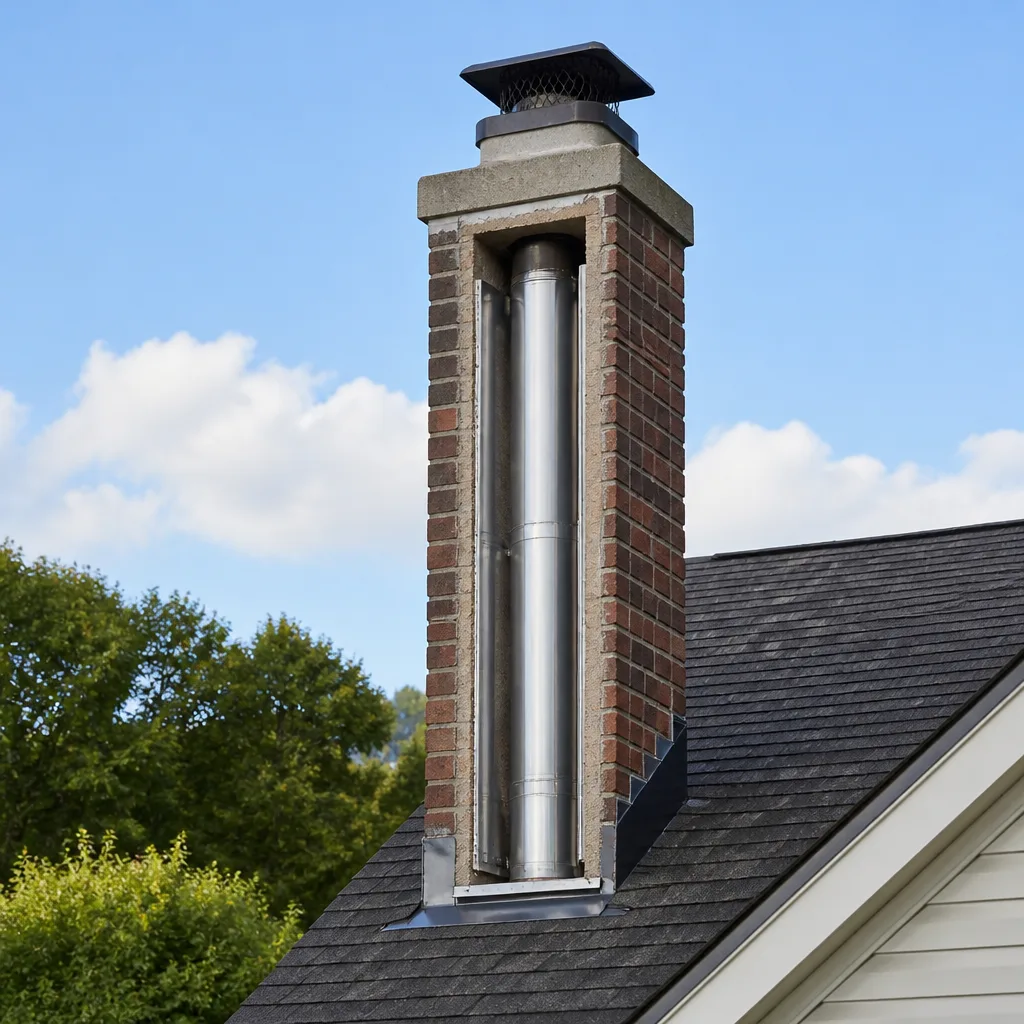
- Modern stainless liner. A tougher surface and a different cleaning approach, and DuraFlex is one of the industry-trusted liner products we work with for relining where replacement is warranted.
Many Meyerland homes have had a liner replaced at some point, so the flue may be original and the liner may not. That’s why we inspect before we decide. The right material for the repair is not what’s on the truck; it’s what the chimney calls for, and we source accordingly from the professional brands we work with.
If you’ve been told by someone that a cracked liner means a full rebuild, get a second opinion before agreeing to anything. Often what’s needed is liner restoration, not tearout.
What a Complete Cleaning Actually Involves
A proper chimney cleaning is a sequence of steps, not a single action. Here’s what a complete job looks like from the first call to the final clearance.
- Before the visit. You book a sweep and receive a flat price for the work before anyone touches the chimney. No surprises. If the inspection turns up a repair, that’s a separate written estimate you get to evaluate before any work is authorized.
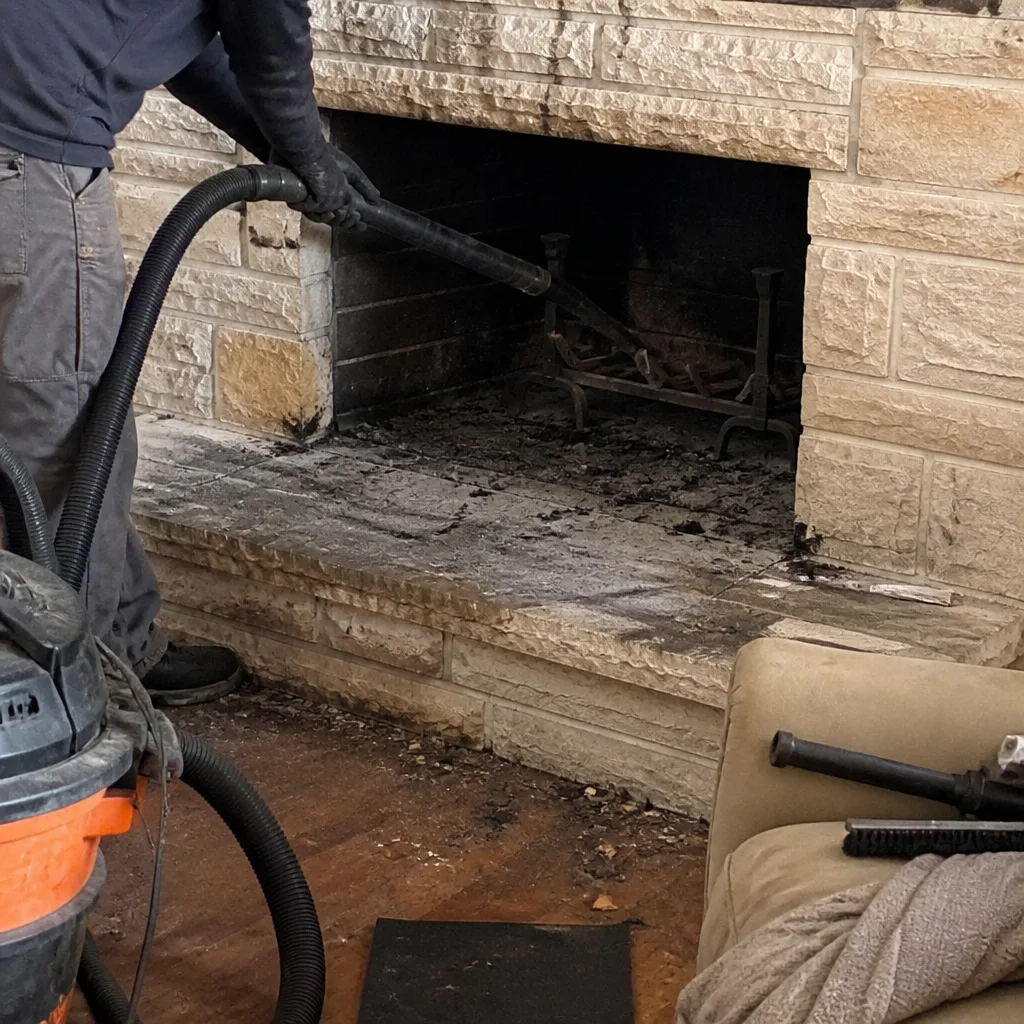
- Arrival and setup. The technician lays drop cloths and sets up containment at the firebox so soot doesn’t migrate into the house. This is the setup that makes the rest of the job cleanable in a lived-in home.
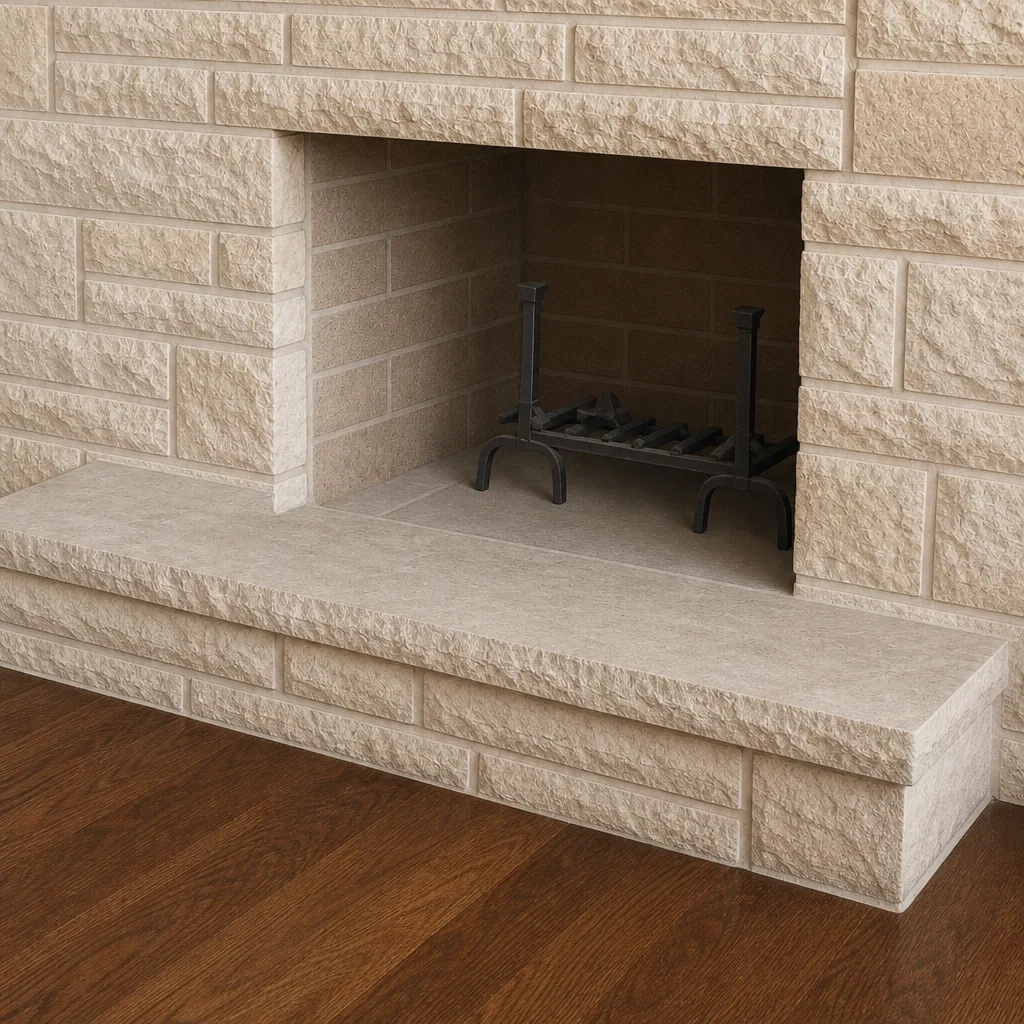
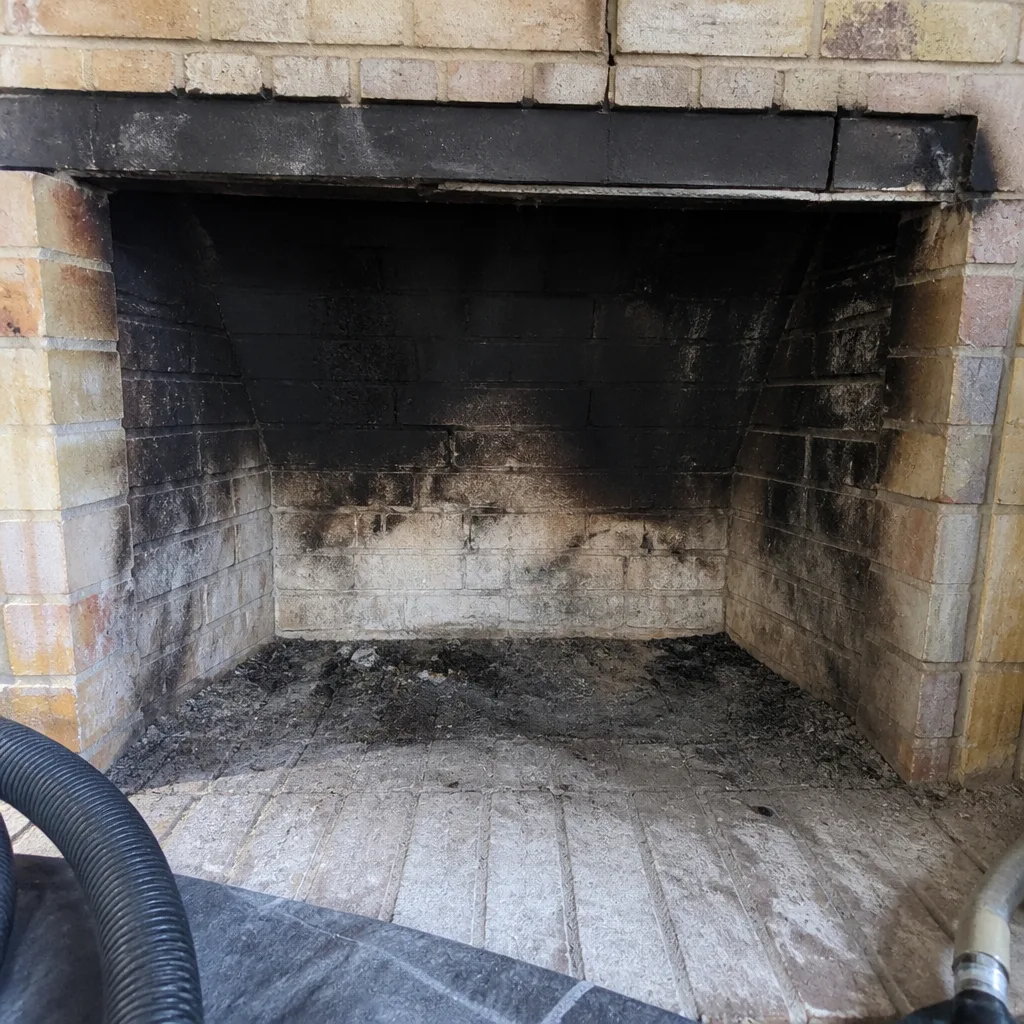
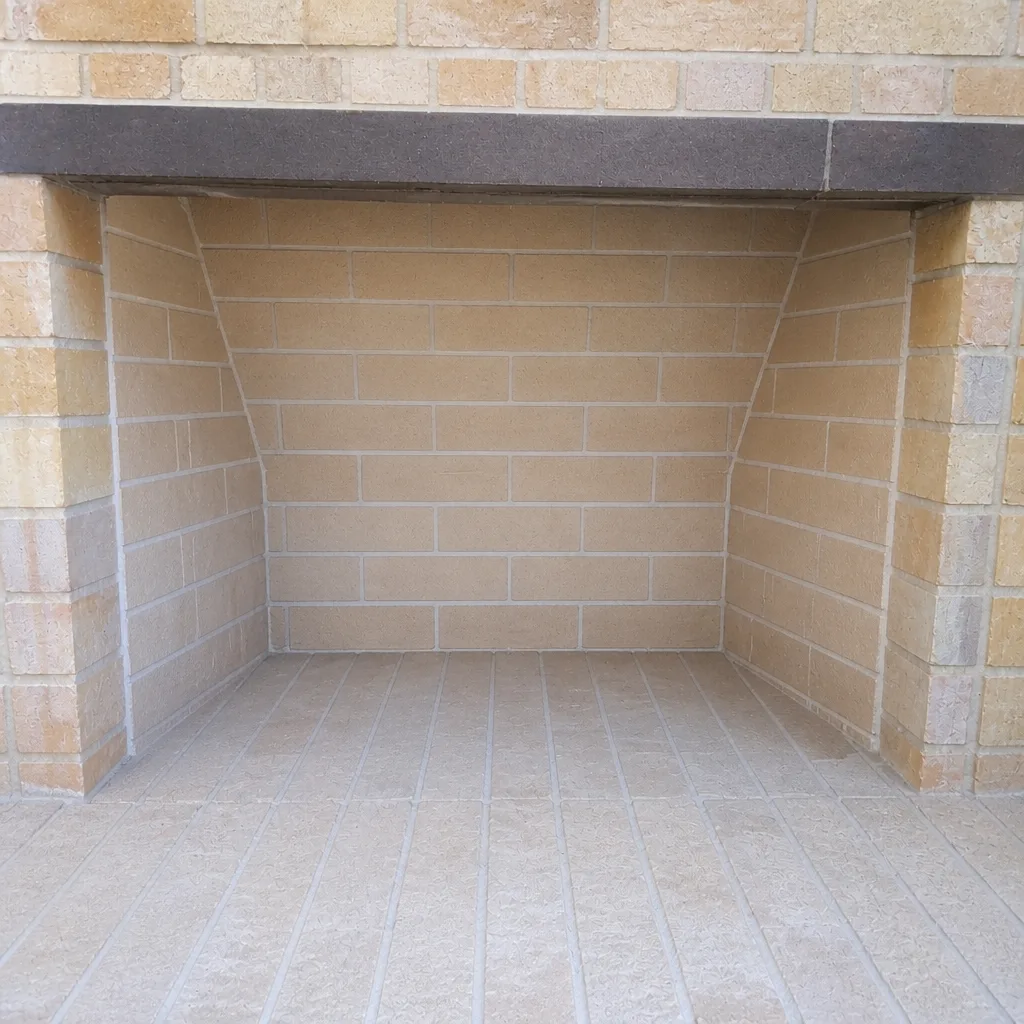
- Firebox and smoke chamber cleaning. Soot and ash are removed from the firebox, smoke shelf, and smoke chamber. Moving parts like the damper are checked for operation while they’re accessible.
- Flue cleaning. The flue is brushed from the chimney top or from below, depending on access. The brush type and method are chosen based on what the flue is made of and what kind of deposit it’s carrying.
- Creosote evaluation. The technician deglazes or treats any deposits the brush didn’t clear. Stage 2 and Stage 3 creosote are addressed with the right approach for the liner material underneath.
- Inspection. The flue is inspected with a camera. The cap, crown, flashing, and exterior masonry are checked. This is where the sweep and the assessment become one visit.
- Camera inspection and a photo record. We send you the photos of what we found. Not a summary, the actual images.
- Clearance and cleanup. The workspace is left as it was found, and you get a verbal report on the spot.
Two things are worth emphasizing. First, no repair is recommended without camera evidence you can see for yourself. Second, a sweep tells you it’s clean, and an inspection tells you it’s safe. A complete job delivers both, because the cleaning itself is not a safety inspection. If you need a standalone inspection without a cleaning, we offer that too, and we’ll say plainly when a repair can safely wait.
What You Should Walk Away With
“I had the chimney swept” is a story. “I had the chimney swept and here’s the paperwork” is a record. A legitimate sweep should leave you with documentation you can keep, show to a future buyer, or attach to an insurance file.
Specifically, a clean job should give you:
- A written summary of the work performed, including which parts of the system were cleaned.
- Photos of the flue interior taken during the camera inspection, or a clear statement that no camera inspection was done and why.
- The inspection level performed and its scope, labeled as a Level 1, 2, or 3.
- A list of findings with an honest statement of urgency for each: what needs attention now, what’s worth monitoring, and what can wait.
- A written repair estimate if repairs are recommended, with the price stated per job. Estimates are free.
- The date of the sweep and a recommendation on when the next inspection is due, based on your burning habits and the flue’s condition.
If a sweep ends with nothing in your hand, ask for the record. Our camera inspection and photo report are standard on the work we send. Single-company accountability means the same team that documents the findings is the team that carries out any repair, using the same product lines throughout. That gives you a coherent story about your chimney from start to finish.
What Cleaning Costs in Meyerland
Chimney cleaning in Meyerland is priced per job, based on what the chimney actually needs. A straightforward sweep of a standard flue costs less than a job that includes heavy creosote removal or a post-flood inspection. Here are the typical price ranges for the work in this neighborhood. These are estimates, and the written estimate sets the final price.
| Service | Typical range |
|---|---|
| Standard chimney sweep | $180 – $350 |
| Sweep with heavy creosote removal (Stage 2/3) | $300 – $550 |
| Level 1 inspection | $100 – $200 |
| Level 2 inspection (camera and accessible areas) | $200 – $400 |
| Liner restoration with HeatShield | Quoted per job after inspection |
| Cap and crown repair or installation | Quoted per job after inspection |
Liner restoration and cap and crown work depend on the chimney’s dimensions and condition, so we don’t quote them until we’ve seen the system. The written estimate sets the price before work begins, and there is no service-call fee or dispatch fee involved. If you’re comparing bids, ask what the price includes: the cleaning, the inspection, the photos, and a written report. A low number that covers only a brush pass and leaves you with no documentation isn’t comparable. Call (833) 696-2226 for an exact quote, and see our chimney sweep page for more on what the service covers.
Common Mistakes to Avoid
- Assuming a sweep is the same as an inspection. They’re different services with different purposes, and our inspection is offered as a standalone so you can get an honest assessment without being pushed into a cleaning. If you haven’t re-inspected since a flood, start there.
- Hiring whoever’s cheapest without asking what’s included. A low price that stops at a brush pass and produces no documentation is a false economy, especially in a humid climate where creosote sets up harder.
- Ignoring Stage 2 and Stage 3 creosote. Glazed creosote is the stage that starts chimney fires, and a light brush pass doesn’t reliably remove it. If the flue feels hard and glossy to the touch, get it looked at by someone who knows how to deglaze safely.
- Burning wet or green wood. In Houston, wood that’s stored outdoors absorbs ambient moisture. Burning it produces more creosote and more smoke, and the deposits build faster here than in dry climates.
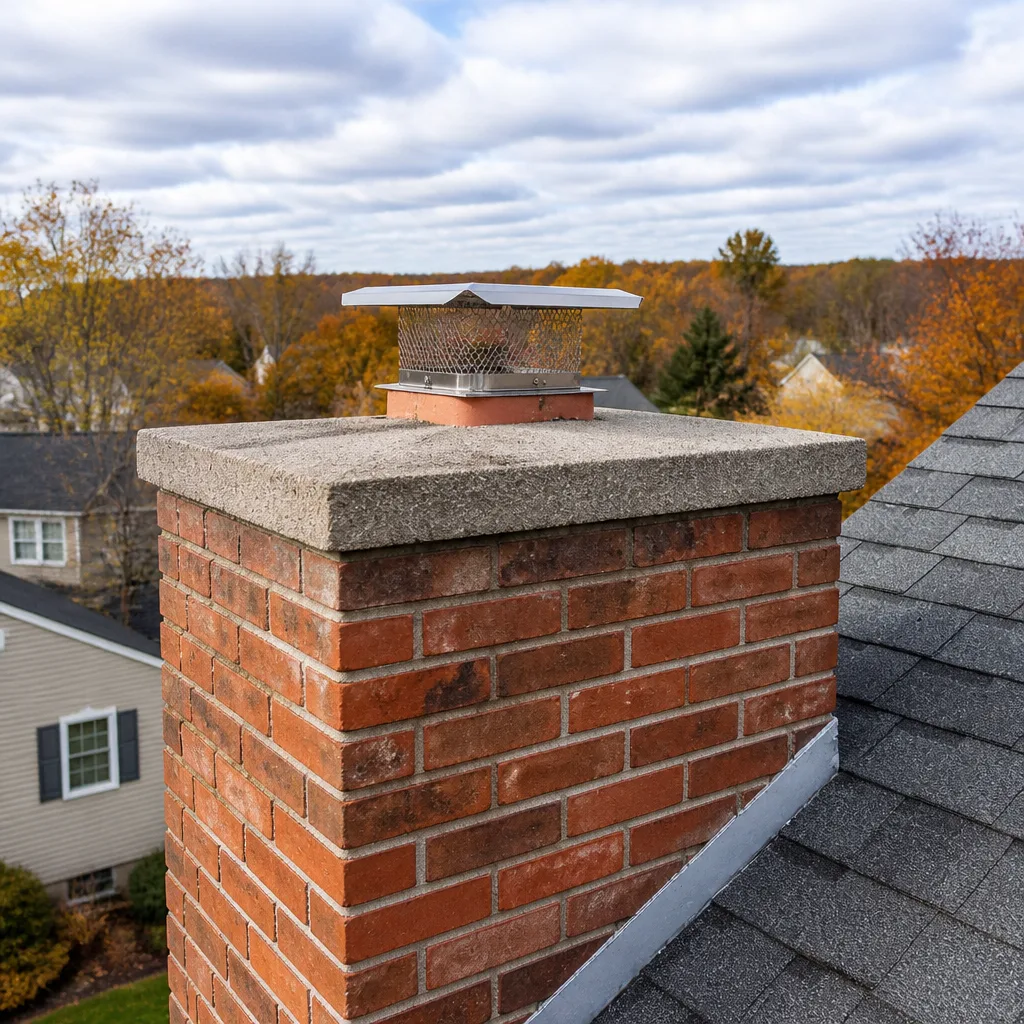
- Never checking the cap and crown. These are the chimney’s first defense against every rainstorm. A cracked crown or missing cap lets water into the flue, and water is what produces efflorescence, spalled mortar, and shifted joints. Our chimney cap & crown service addresses this directly.
- Accepting a repair recommendation you can’t verify. If a sweep ends with a high repair estimate and no photos of the flue interior, ask to see the evidence. We won’t recommend anything you can’t see with your own eyes.
- Waiting until the first cold snap. The weeks before burning season are the right time to book. A fall inspection catches problems while there’s time to address them, rather than after the flue has seen a winter of heavy use.
See the difference
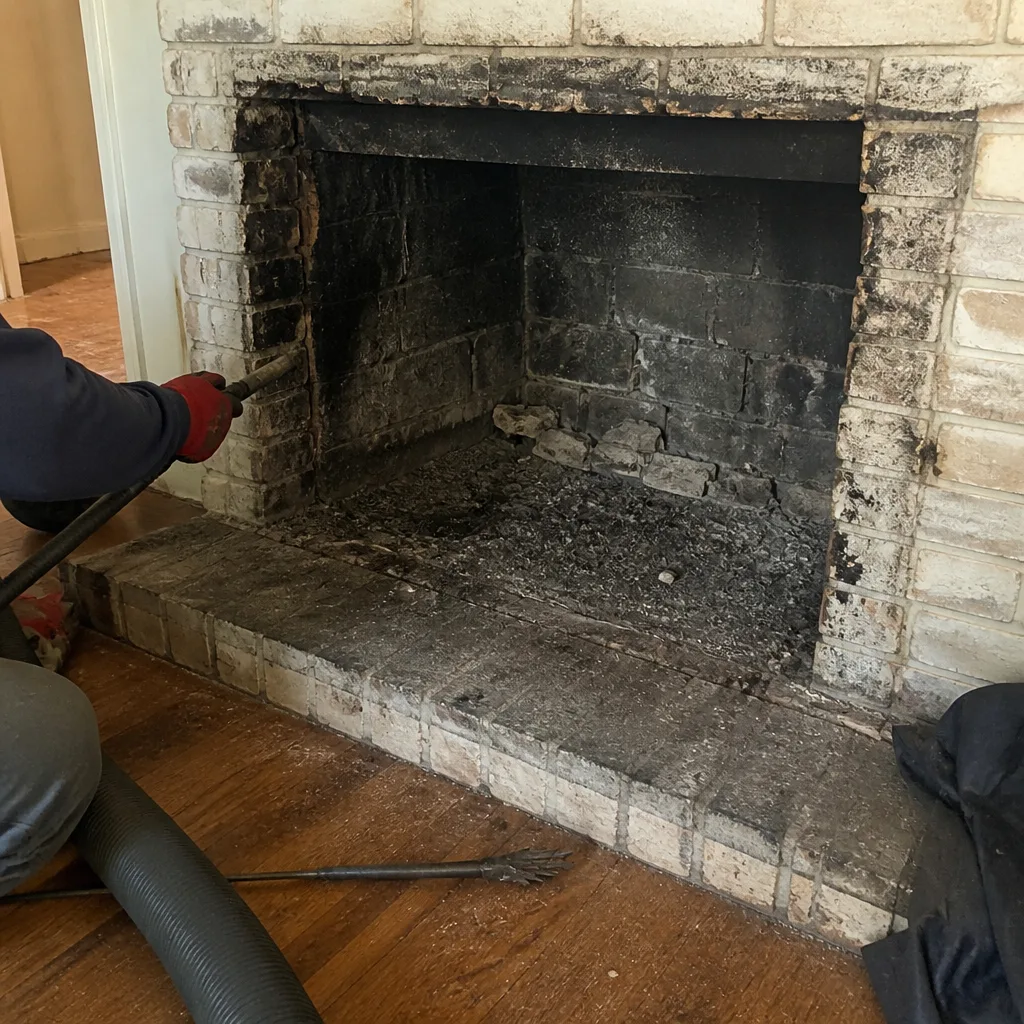 Before
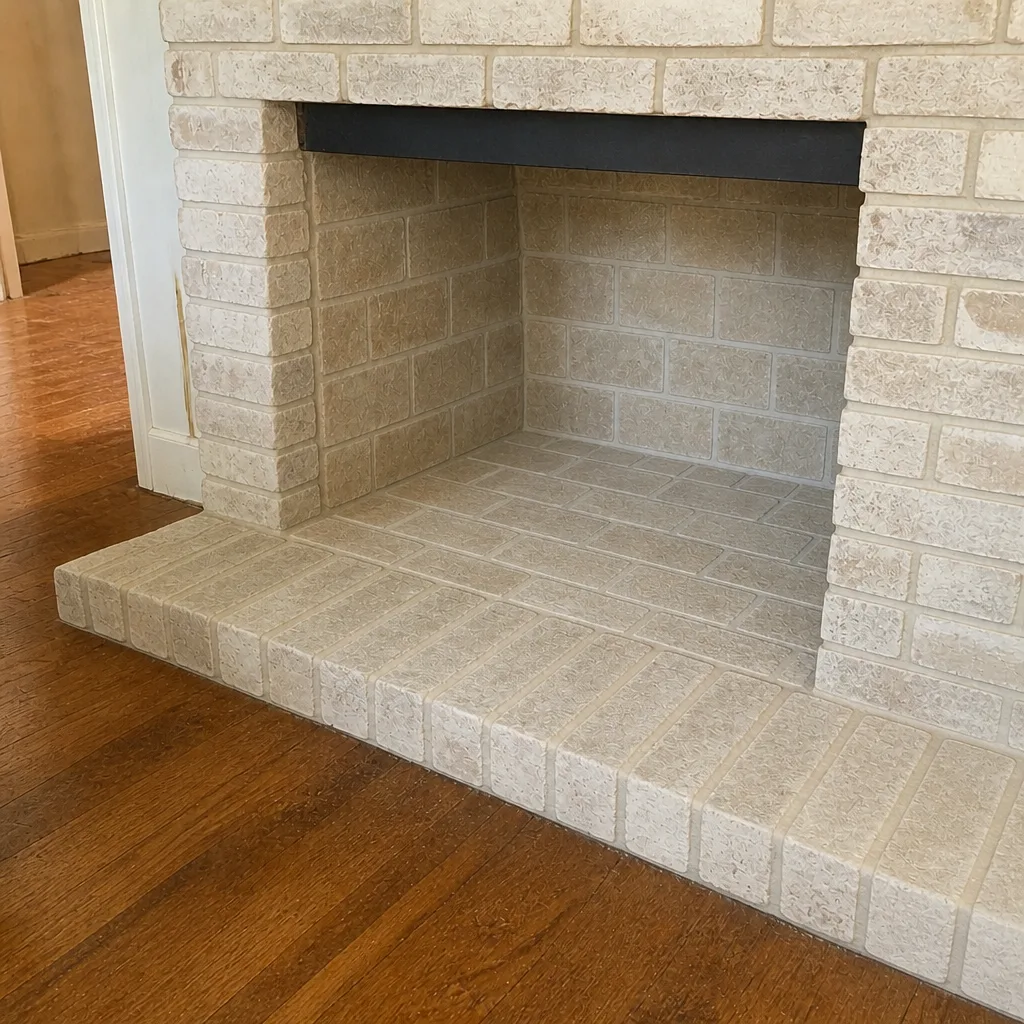 After
 Before
 After
 Before
 After
When to Call a Professional
Some chimney conditions can be handled with an inspection report and a plan. Others need a technician in the near term. Call us if your chimney has been through a flood and hasn’t been re-inspected since. Call if you’re buying or selling a home in Meyerland and the chimney’s history isn’t documented. Call if you’ve had smoke backing into the room, a strong creosote smell, or any sign of water intrusion around the chimney, because those are symptoms that need to be traced to a cause rather than cleaned around. Call if it’s been more than a year since the last sweep or inspection, or if you’re not sure either has ever been done. Call before burning season starts. We answer 24/7 and send fast dispatch from 7am to 7pm, Sunday through Friday. Chimney Sweep Meyerland offers free estimates in Meyerland. Call (833) 696-2226.
Frequently Asked Questions
A standard chimney sweep in Meyerland is typically $180 to $350, and a job that includes heavy creosote removal is typically $300 to $550. Inspections run separately, and restoration or cap work is quoted per job after the inspection. The written estimate sets the final price, and estimates are free. Call (833) 696-2226 for an exact quote.
Most homes need a sweep and inspection once a year, or after about a cord of wood has been burned, whichever comes first. Houston’s humidity makes creosote build faster than in drier climates, so an annual visit is a minimum for any chimney in regular use. A flue carrying Stage 2 or Stage 3 deposits should be checked sooner. Call (833) 696-2226 to get on the schedule before burning season.
A Level 2 inspection is the right call whenever the service history is unknown, whenever the chimney has been through a flood, or whenever the home has changed owners. It includes a camera inspection of the flue plus the accessible parts not visible without one. If your situation falls into any of those groups, call (833) 696-2226 and describe it so we can tell you which level you need.
A proper sweep leaves you with a written summary of the work, photos of the flue interior, the inspection level performed, a list of findings with an urgency note for each, and a written repair estimate if anything is recommended. Keep all of it, because a documented chimney history matters when you sell and when you speak to your insurer. Call (833) 696-2226 if you want an inspection that produces that record.
Often it can. HeatShield is a proprietary resurfacing system for liner restoration, and it lets us repair a damaged clay liner without cutting it out and rebuilding. Whether it’s the right approach depends on the liner’s condition, which the camera inspection determines. Get the inspection first. Call (833) 696-2226 for a free estimate.
Creosote accumulates, and once it reaches the glazed stage it becomes a fire risk inside the flue. A compromised liner can let heat and carbon monoxide reach parts of the house it shouldn’t, which is the reason this work matters. Skipping isn’t a matter of being a little dirty. Call (833) 696-2226 to book a sweep and inspection before the next burning season.
The Bottom Line
Chimney cleaning in Meyerland is not a generic task. The neighborhood’s mid-century homes, thinner clay liners, flood history, and Houston humidity combine to produce conditions that a one-size-fits-all brush pass will miss. What you need is a cleaned flue, a documented inspection, and a report you can keep. Our technicians have up to 9 years of experience working with these systems, and we work with professional brands including DuraFlex, HeatShield, Gelco, Olympia Chimney, Famco, and Copperfield, so the team that inspects your chimney is the team that repairs it. One company, every part of your chimney system.
Written by the team at Chimney Sweep Meyerland.
Get a Free Estimate
If you’re ready to book a sweep, a standalone inspection, or fireplace repair, Chimney Sweep Meyerland. Call (833) 696-2226 for a free estimate. We answer 24/7, and fast dispatch runs from 7am to 7pm, Sunday through Friday. Chimney work done by chimney specialists.