
Last updated November 24, 2026
 Sweep & inspection
 Caps & crowns
 Flue relining
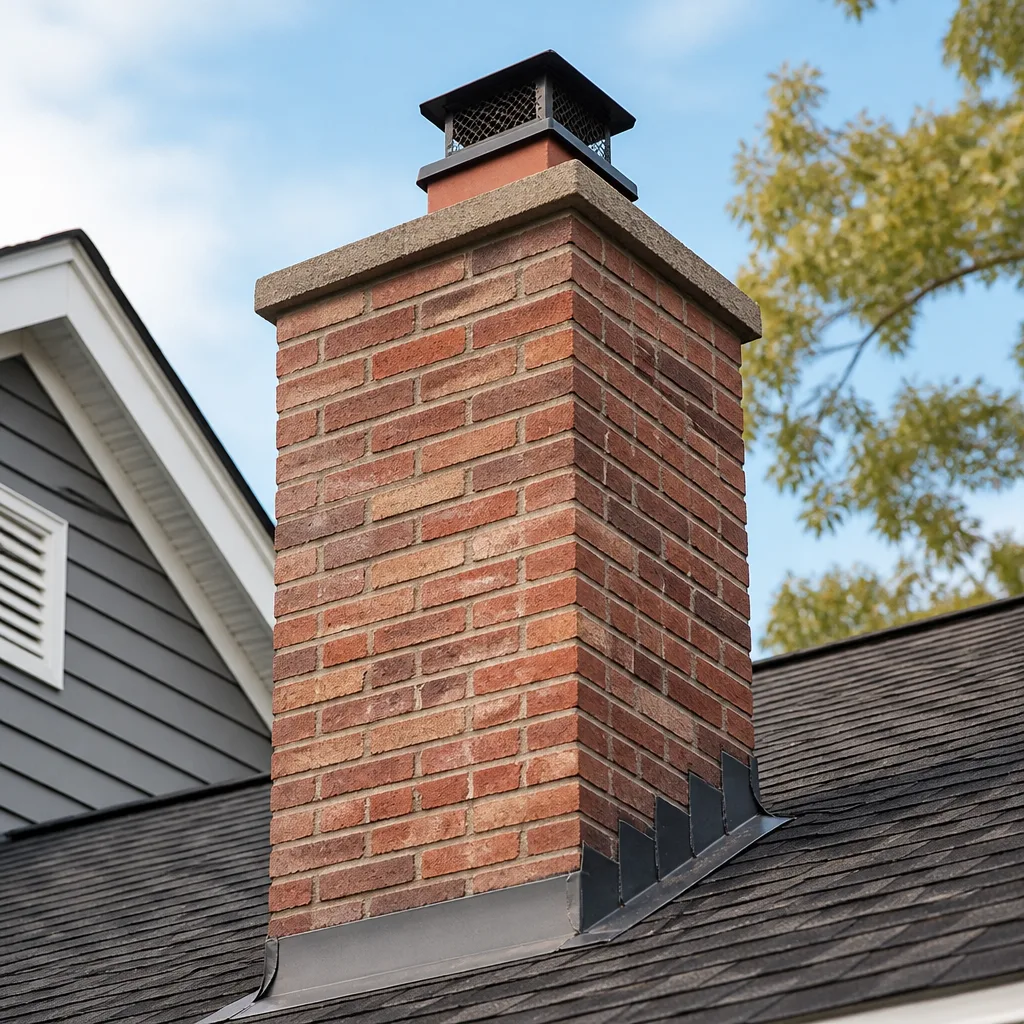 Masonry repair
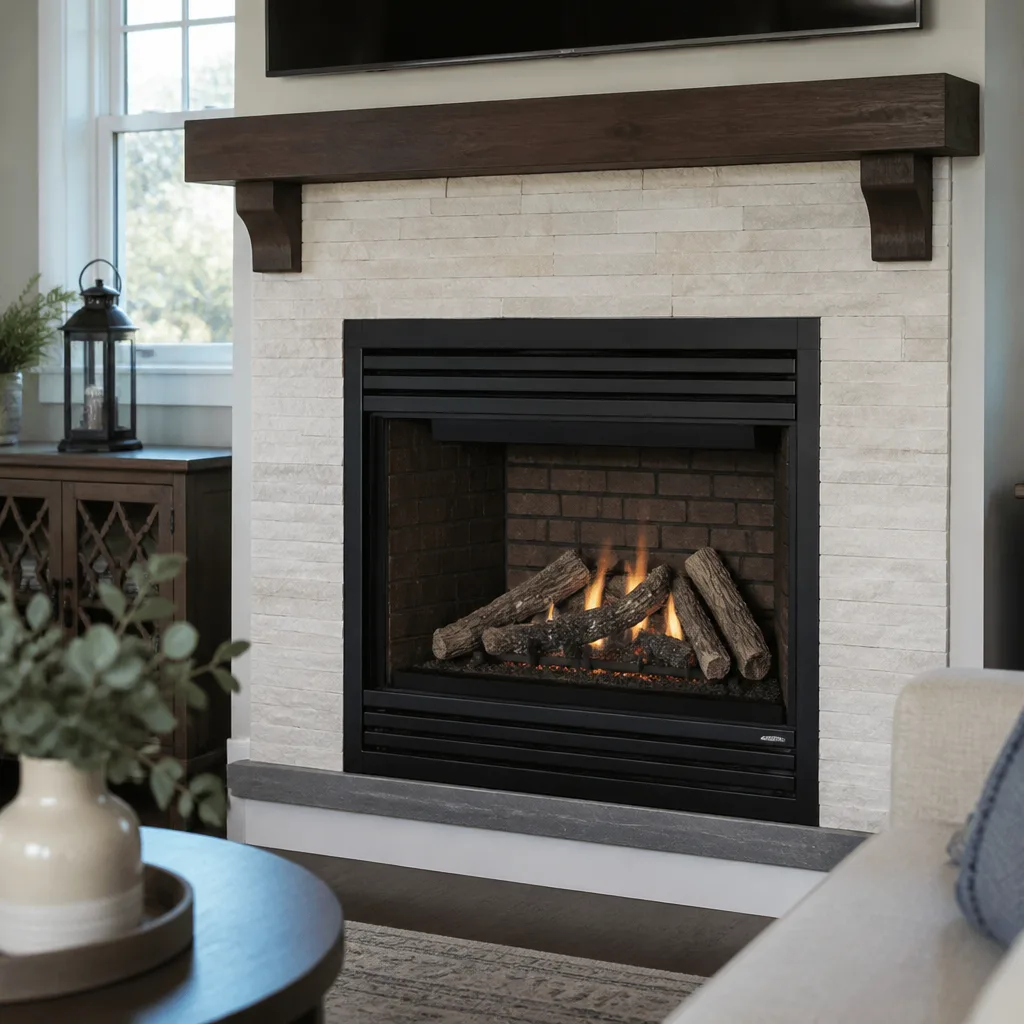 Gas fireplace service
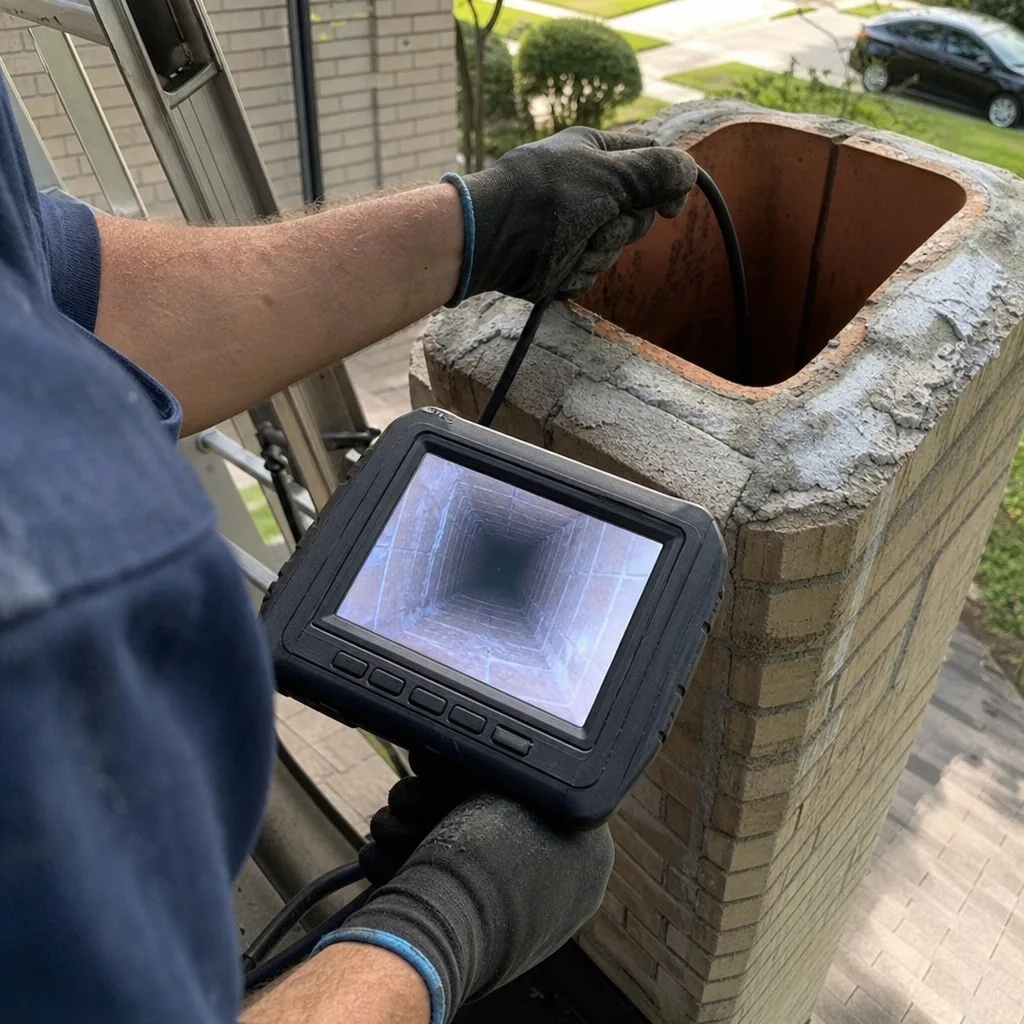
Level 1 sweep and inspection to the NFPA 211 annual standard - flue, crown, cap, and flashing checked and photographed
Chimney sweep logs do not sweep chimneys. They loosen some creosote - which then falls where a brush and vacuum still have to collect it.
Seasonal Chimney Cleaning Care for Meyerland: Year-Round Homeowner’s Guide
The chimney problem most Meyerland homeowners discover in November was actually created in July. Summer humidity, animal intrusion, and sitting moisture are what quietly damage flues during the months nobody’s thinking about their fireplace. By the time the first cold front pushes through and someone reaches for a match, the damage is already done, and the fix is more expensive than the maintenance would have been. This guide lays out a real calendar for Meyerland chimney care, built around hurricane season, sporadic cold fronts, long humid summers, and the short, intense burn window that defines fireplace use here. You’ll learn what to check each season, what a good sweep should include, and when it’s genuinely time to call a specialist.
Quick Answer
In Meyerland, chimney care follows a four-part calendar: summer moisture control (keep the damper closed, watch for animal intrusion), an October preparation sweep before the first fire, mid-season draft and odor monitoring during active burn months, and a spring cap-and-crown inspection after storm systems pass. The single most important step is booking a professional sweep and inspection in early fall, before the burn window opens, because that’s when a small liner or mortar issue can still be caught cheaply. Year-round attention to moisture and storm damage is what separates a safe chimney from a costly repair.
Styles & brands we work with
- Sweep & inspection
- Caps & crowns
- Flue relining
- Masonry repair
- Gas fireplace service
Table of Contents
- Why Meyerland’s Climate Rewrites the Chimney Calendar
- Summer: The Moisture Trap Nobody Thinks About
- Fall: The October Prep Window Before the First Fire
- Winter: Reading Draft and Odor Signals During Burn Season
- Spring: Cap, Crown, and Nesting Cleanup After Storm Season
- Storm Protocol: What to Check After Lightning or High Wind
- When It’s a Job for a Chimney Specialist, Not a Handyman
- Common Mistakes to Avoid
Why Meyerland’s Climate Rewrites the Chimney Calendar
Most chimney-care advice you’ll read online was written for a place with hard freezes, deep snow, and a five-month heating season. Meyerland isn’t that place. Winters here are mild. The burn window is short but intense: when a cold front drops temperatures, fireplaces that sat idle for months suddenly get used every evening, then go quiet again. That stop-and-start pattern is harder on a chimney than steady use, because each long idle stretch lets moisture, debris, and animals settle in.
The bigger driver is humidity. Meyerland sits in a stretch of Houston where summer air stays heavy and wet for months. A chimney is essentially a vertical column of masonry and clay that absorbs moisture from the air around it. When that moisture has nowhere to go, it works its way into mortar joints and clay liner walls, and repeated wet-dry cycling over years is what causes spalling, cracking, and eventual liner failure. None of this shows up as smoke in the living room. It shows up as a cracked flue that an inspection catches and a homeowner never would.
Layer on hurricane season, which runs through the late summer and fall, and you have a chimney that faces wind-driven rain, flying debris, and the occasional lightning strike on top of the ordinary wear of burning wood. That’s the calendar this guide addresses: not a Northeast heating season, but a Gulf Coast cycle of humidity, storms, a brief burn window, and recovery. Understanding that cycle is the difference between reactive repair and planned care.
Summer: The Moisture Trap Nobody Thinks About
Here’s the counterintuitive part: the months you’re least likely to think about your chimney are the months it takes the most damage. In a Meyerland summer, a closed damper turns the firebox and flue into a sealed, humid box. Warm, moist air rises into the cooler chimney and condenses on the clay liner walls and mortar. That condensation sits there, day after day, and over a span of roughly five years it can do real structural harm.
What moisture does to a chimney over time:
- Clay liner deterioration. Clay tile absorbs water and expands; when it dries and contracts, hairline cracks open up. Those cracks are the path for heat and creosote to reach the framing.
- Mortar joint erosion. The mortar between flue tiles and in the firebox softens and crumbles when it stays damp, weakening the whole assembly.
- Efflorescence and staining. White powdery deposits on exterior brick are a visible signal that moisture is moving through the masonry.
- Musty odors. A damp flue smells like a basement. That smell gets pulled into the house every time the system is pressurized.
Animal intrusion compounds all of this. Birds, squirrels, and raccoons look at an uncapped flue as an ideal den. Nesting material packs into the flue, holds moisture against the liner, and blocks the draft. By the time you light the first fire of the season, that material has often compacted into a dense plug that a chimney sweep has to physically break loose.
The summer checklist is short but it matters:
- Keep the damper closed when the fireplace isn’t in use, so humid outside air isn’t drawn up through the flue.
- Check the cap and spark screen for damage after any storm. A loose cap lets water and animals in directly.
- Look for animal activity, droppings, or nesting debris around the firebox and on the damper.
- If you smell musty odor from the fireplace, note it and mention it at your fall sweep. It’s an indicator, not a panic.
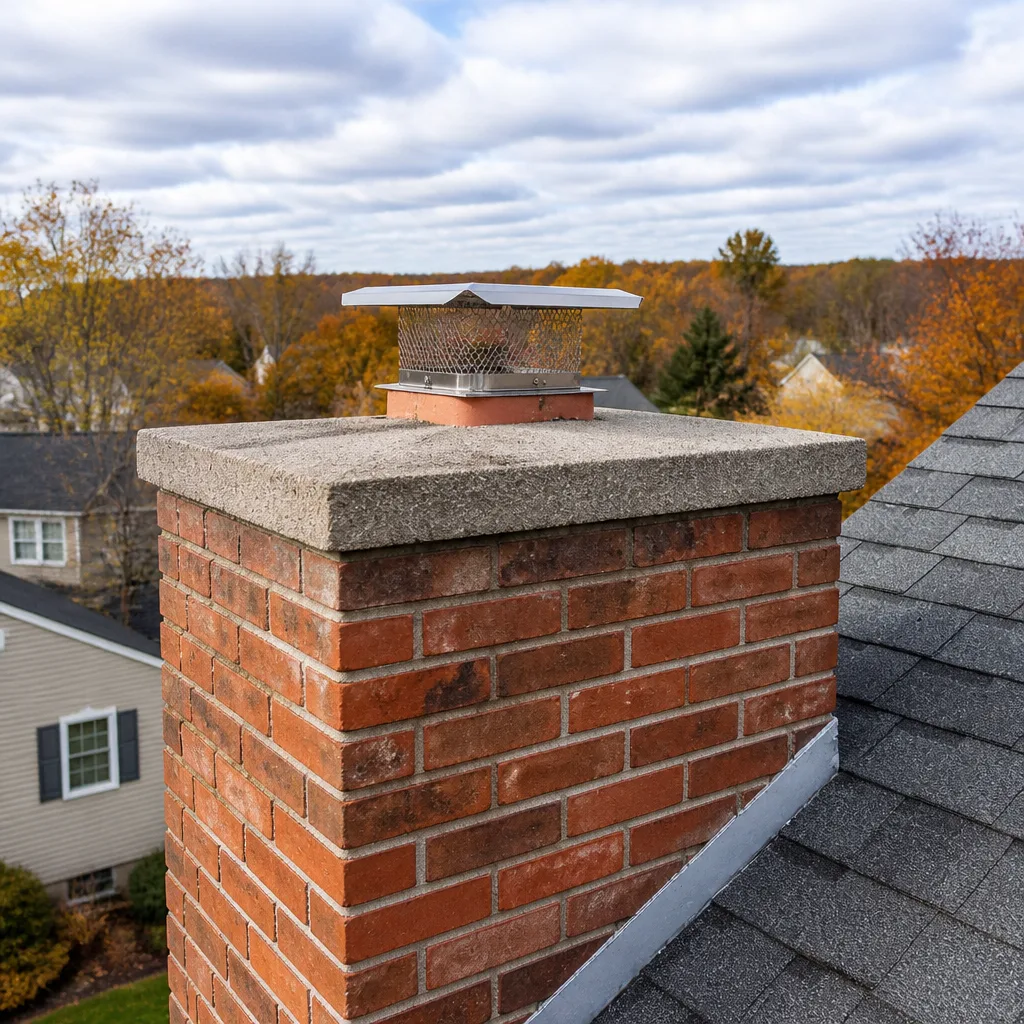
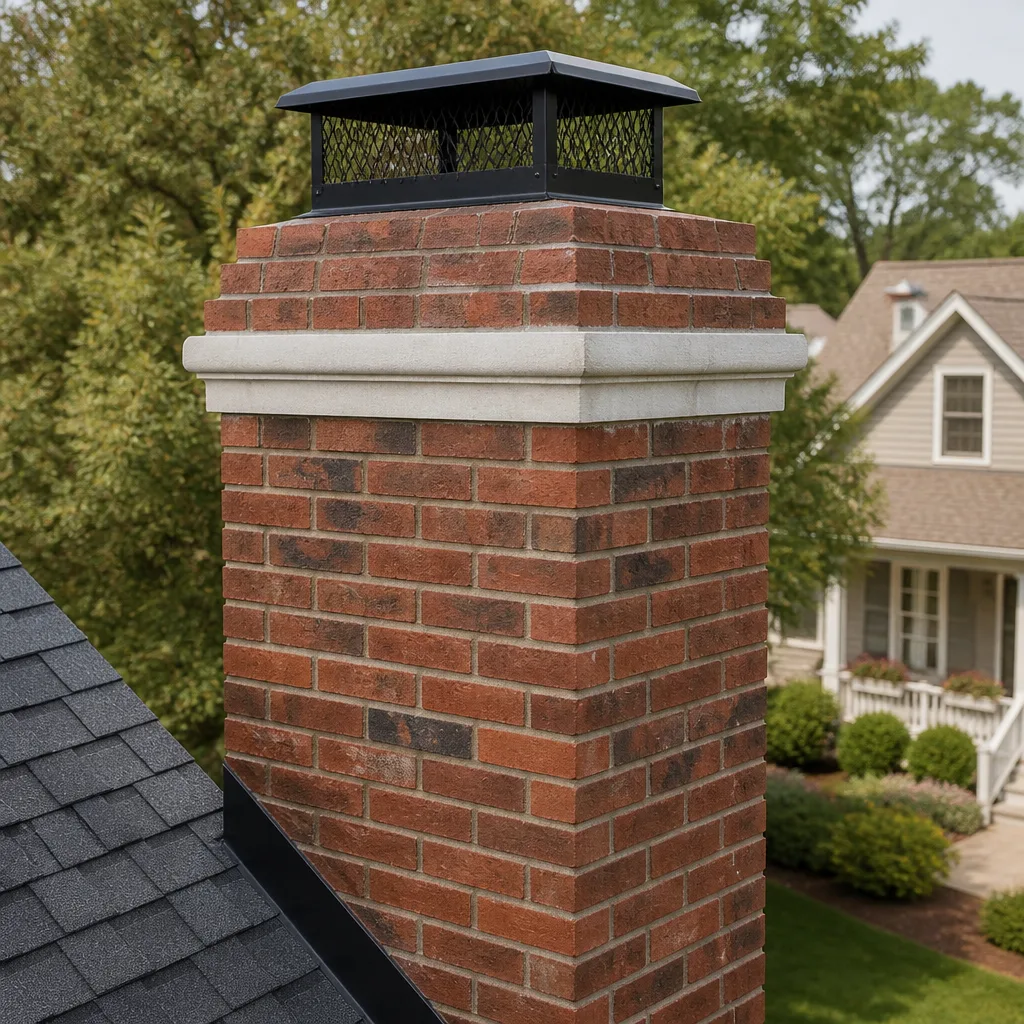
If your cap is damaged or missing, that’s a summer fix, not a fall one. A proper chimney cap & crown keeps water, animals, and debris out of the flue all year. Products like Gelco and Copperfield caps are built for this climate precisely because they shed water and resist the humidity. Getting the cap right in summer protects the liner through the entire wet stretch.
Fall: The October Prep Window Before the First Fire
The first genuine cold front usually arrives sometime in October or early November in Meyerland, and that’s the deadline. The families who end up frustrated are the ones who wait for the first cold night to call, then find every chimney specialist booked for weeks. The families who don’t have a problem are the ones who scheduled their preparation in early fall, while the calendar was still open and a small issue could still be fixed cheaply.
But “schedule a sweep” is only half the advice. What matters is what the sweep actually includes. A thorough fall appointment is a sweep plus an inspection, and it should cover:
- Draft test. A smoke or draft test confirms the flue pulls correctly before you rely on it.
- Creosote removal. The sweep clears soot and any glazed creosote from the flue walls and firebox.
- Liner inspection. The flue liner is checked for cracks, gaps, and deterioration. This is where a professional sees what a homeowner can’t.
- Cap and crown check. The cap, spark screen, and crown are inspected for storm damage, cracking, and proper fit.
- Damper and firebox. The damper is tested for smooth operation and a proper seal, and the firebox is checked for mortar and brick condition.
- Animal and debris removal. Any nesting material or debris is cleared before it can block the flue or smolder.
A sweep tells you it’s clean. An inspection tells you it’s safe. In our experience, that distinction is the most valuable thing a fall appointment delivers. A homeowner can get a competent sweep that leaves everything spotless and still have a cracked liner that only a camera or visual inspection reveals. That’s why we treat inspection as a standalone service, so you can get an honest condition assessment without being upsold into a sweep you may not need.
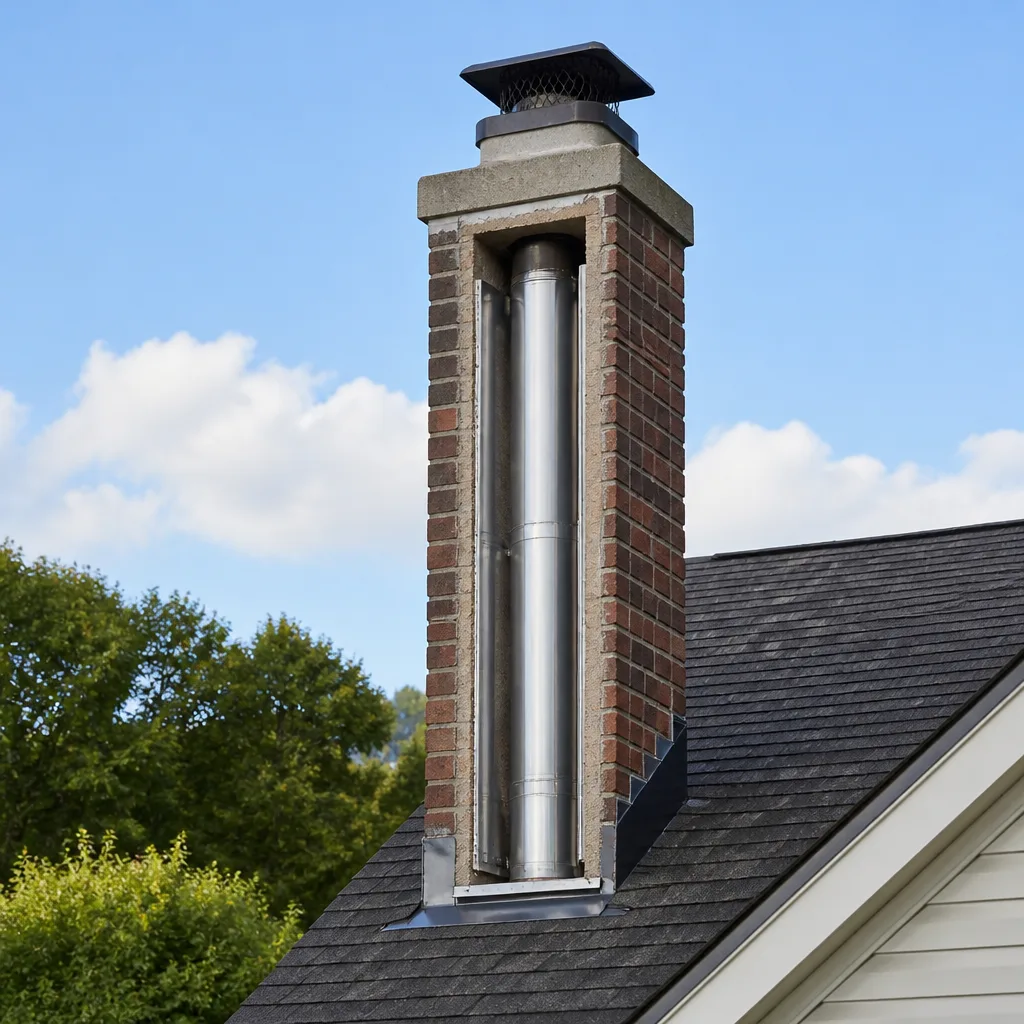
If your inspection reveals a damaged liner, the fix isn’t a generic patch or a bucket of mortar. HeatShield is a proprietary resurfacing system that restores the liner from the inside, and it’s the kind of repair that distinguishes a chimney specialist from a generalist. When the right product is available and the right technician applies it, a compromised liner can be brought back to safe working condition without a full tear-out. That matters because a failed liner is a fire-safety issue, not cosmetic. A trained specialist should evaluate it, not a handyman.
Winter: Reading Draft and Odor Signals During Burn Season
Once the burn window opens, your job shifts from preparation to monitoring. Most of winter you don’t need to do anything except burn clean, dry, seasoned wood and stay aware of how the chimney is behaving. But there are signals that a mid-season service is warranted, and those signals are easy to misread as normal.
Watch for these during active use:
- Smoke rolling out of the fireplace. A damper that once pulled fine but now lets smoke back into the room suggests a partially blocked or compromised flue. Stop burning and get it checked.
- A weak or lazy draft. If the fire struggles to establish, or smoke seems to hover rather than rise, the flue may be restricted by creosote or debris.
- Smoky or acrid odor from the fireplace when it’s not in use. That smell is the chimney telling you it’s holding something it shouldn’t, usually creosote or moisture.
- Creosote buildup you can see. A thick, sticky, or glazed coating on the flue walls after a period of heavy burning is a reason to schedule a sweep in the middle of the season, not to wait.
- Any unusual noises or smell from the firebox. Animals, loose masonry, or a failed damper can all show up this way.
Cold fronts in Meyerland tend to come in waves. A family might burn steadily for a week, then go quiet for two, then burn again. That cycle is exactly how creosote accumulates faster than a homeowner expects, because partial burns and smoldering fires produce more creosote than hot, efficient ones. Burning dry, well-seasoned wood and not letting the fire smolder is the simplest way to keep creosote down between sweeps.
Mid-season service is worth knowing about because catching a draft problem early is far cheaper than discovering it after a flue fire. If you’re seeing smoke backdrafting or persistent odor, that’s a call to a specialist, not something to ride out until spring. We answer 24/7, and a call outside dispatch hours is booked into the next opening, Sunday through Friday, 7am to 7pm.
Spring: Cap, Crown, and Nesting Cleanup After Storm Season
Spring is the season Meyerland homeowners most often skip, and it’s the one that sets up the next year’s problems. By the time storm season has passed, your chimney has taken wind-driven rain for months and the birds are actively looking for nesting sites. A spring appointment handles both, and it’s the cheapest insurance against a fall emergency.
The spring checklist:
- Cap and crown inspection. Spring storms are the primary cause of cracked crowns and dislodged caps. A cracked crown lets water into the chimney structure all summer.
- Nesting material removal. Birds often build in the flue or on the damper in spring. Clearing that material before it compacts into the flue saves a difficult removal in fall.
- Exterior masonry check. Look for cracked mortar, spalling brick, and staining that hints at water penetration.
- Waterproofing review. If the exterior brick is taking on water, this is the time to address it, before the humid summer makes it worse.
- Post-season sweep. A sweep after the burn season clears the winter’s creosote and soot so the flue is clean and dry going into the humid months.
The crown is the concrete or masonry top of the chimney, and it’s the first line of defense against water. When a crown cracks, water runs straight into the chimney’s interior structure, and in Meyerland’s humidity, water intrusion during the summer is the leading cause of mortar failure. Products like Famco and Olympia Chimney crowns are engineered for exactly this, and working with professional-grade materials here makes a real difference over a decade.
Spring is also the best time to book a formal inspection if you’re buying or selling a home in Meyerland. A pre-closing inspection gives both sides a clear, honest picture of the chimney’s condition. The team that inspects is the team that repairs, using the same professional product lines throughout, so there’s no handoff between a “diagnosis” and a “fix” by different contractors with different incentives.
Storm Protocol: What to Check After Lightning or High Wind
A direct lightning strike or a Category 1 wind event can damage a chimney in ways that aren’t obvious from the ground. A lightning strike can crack masonry, compromise a liner, or damage the crown in a single instant. High wind can lift a cap, dislodge a spark screen, and drive rain into the flue at speed. After a storm like that, the chimney deserves a deliberate check rather than a quick glance.
External check, after a storm system passes:
- Look at the cap. If it’s askew, missing pieces, or visibly damaged, don’t burn until it’s repaired.
- Inspect the crown for new cracks or chunks missing at the top of the chimney.
- Look at the exterior brick and mortar for new spalling, cracks, or staining.
- Check for debris lodged on or around the chimney, including branches.
Internal check, after a storm:
- Look up the flue with a flashlight and note any obvious debris, nesting material, or loose masonry.
- Test the damper and confirm it opens and closes smoothly and seats properly.
- Smell the fireplace for smoke, musty odor, or anything that suggests water or animal entry.
- Don’t burn the fireplace until the cap and flue are confirmed clear; if anything looks off, get a professional inspection.
The lightning case is the one where a homeowner should err toward a professional inspection. A strike can create hidden fractures in masonry and liner that show up only when a trained technician looks. If your Meyerland home took a direct strike or a significant wind event, the safest move is a chimney inspection before you use the fireplace again. If you’re unsure, call (833) 696-2226. We answer 24/7.
When It’s a Job for a Chimney Specialist, Not a Handyman
A chimney is a system, and the parts of that system work together: the cap, the crown, the liner, the firebox, the damper, and the flue. A repair in one part affects the others. That’s why a specialist matters more than the cheapest bid. A general handyman can sweep a chimney, but the work that keeps the system safe over the years needs the right materials and the right understanding of the whole assembly.
Here’s what a chimney specialist brings that a generalist typically doesn’t:
- Full-system coverage. Sweeping, cap and crown work, liner repair, fireplace repair, and formal inspections, all handled by one team. No juggling multiple contractors who each blame the other.
- Professional-grade materials. We carry and install products from brands like DuraFlex, HeatShield, Gelco, Olympia Chimney, Famco, and Copperfield. That’s not brand-dropping; it’s the difference between a fix that lasts a decade and one that fails in a couple of years.
- Specialized repair systems. HeatShield liner resurfacing is a proprietary restoration system, not something a generalist can offer. When your liner is compromised, that capability matters.
- Honest inspection. We treat inspection as a standalone service, which means you can get a condition assessment without being sold a sweep or a repair you don’t need.
A sweep vs. an inspection is a useful distinction to hold onto. A sweep cleans. An inspection evaluates. In our experience, homeowners often think they need the former when the latter is what tells them whether their chimney is safe to use. Our technicians have up to 9 years of experience, and they know the difference between a chimney that looks clean and a chimney that’s safe. If you live in Meyerland and you’re not sure which service you need, start with an inspection and go from there.
Our broader Chimney Sweep Meyerland service covers all five categories, so there’s no need to coordinate multiple trades. If your issue is specific, you can start with a chimney sweep or a fireplace repair, and we’ll point you to whatever the chimney actually needs.
Common Mistakes to Avoid
- Waiting for the first cold front to book a sweep. In Meyerland, that’s the busiest week of the year for anyone in the chimney trade. Early fall is when you have choice, and a found issue is still cheap to fix.
- Treating a sweep as a full inspection. A swept chimney can still have a cracked liner. If you don’t get a condition assessment, you don’t know it’s safe.
- Leaving the damper open in summer. That’s how humid Gulf air gets pulled into the flue and condenses on the liner and mortar. Keep it closed between burns.
- Ignoring a damaged cap after a storm. A missing or loose cap is an open door for water and wildlife. Fix it in spring or summer, not next fall.
- Burning wet or unseasoned wood. It produces far more creosote and vapor, and in a humid climate it makes the moisture problem worse.
- Letting a handyman patch a liner with mortar. A compromised liner needs a proper restoration system like HeatShield or a replacement. A generic patch can fail in exactly the worst way.
- Skipping the spring inspection. Spring is when storm damage and nesting happen. A five-minute look after a storm is far cheaper than a summer water-intrusion repair.
See the difference
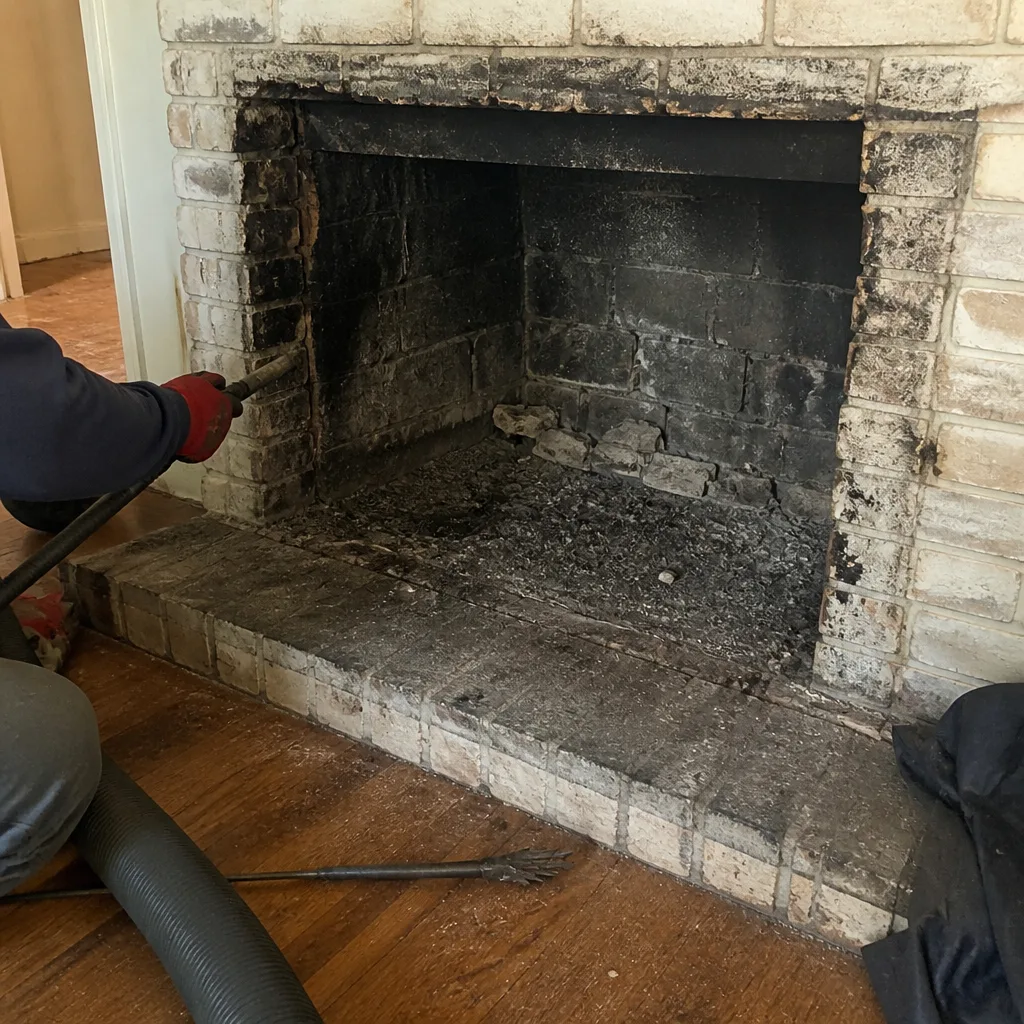 Before
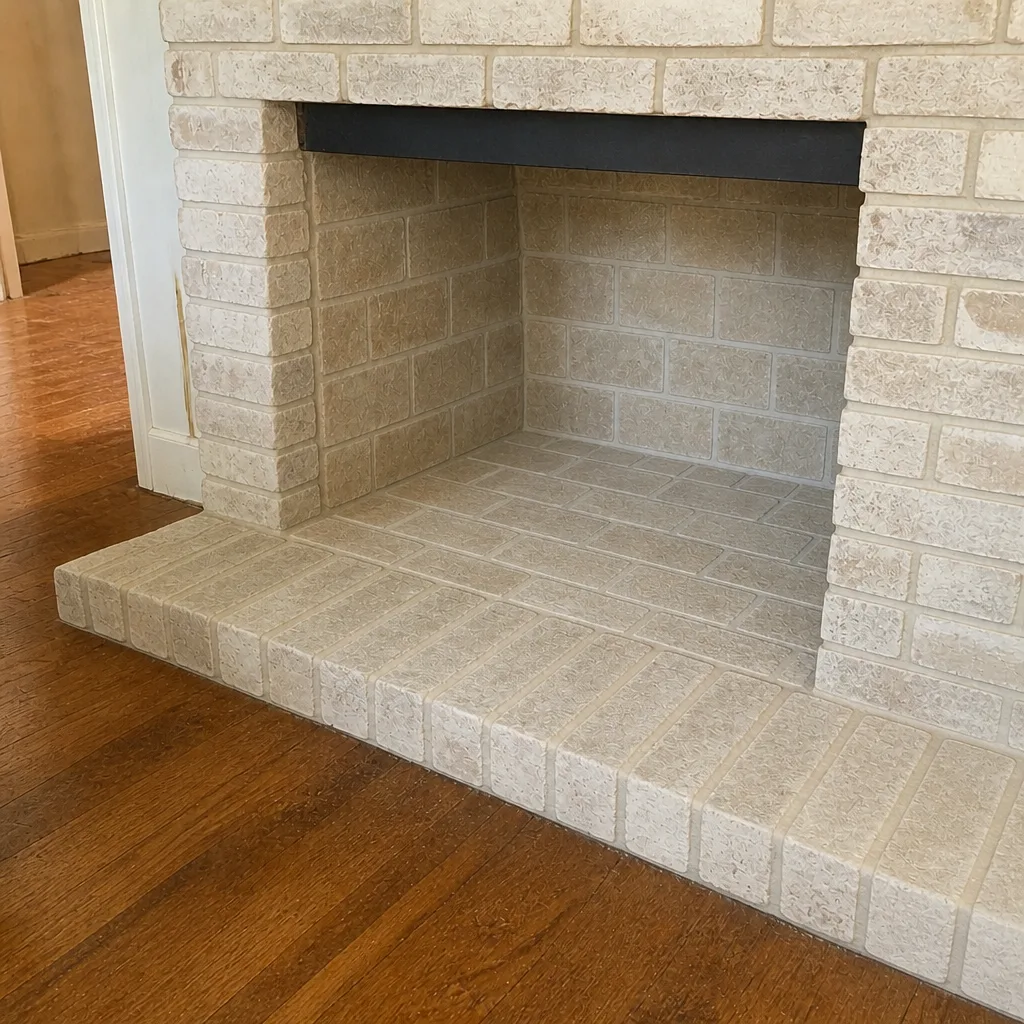 After
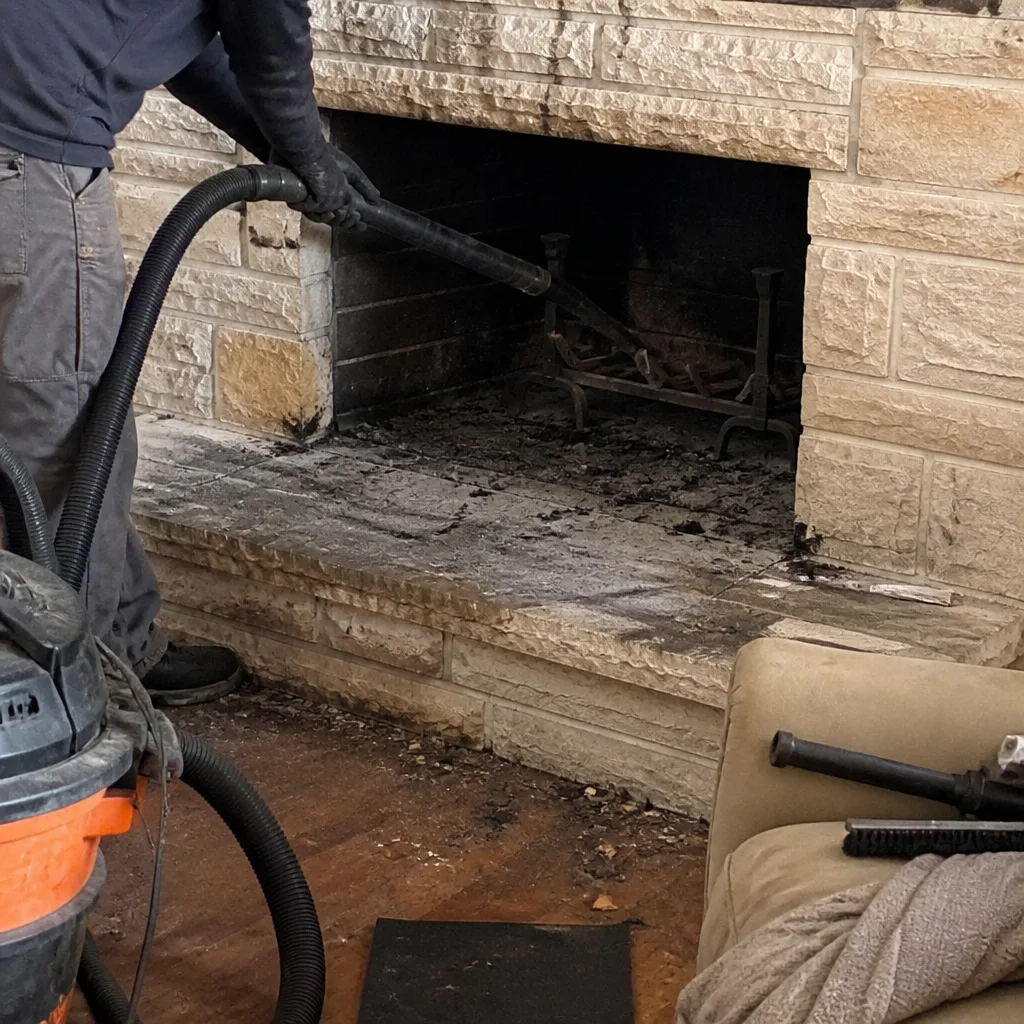 Before
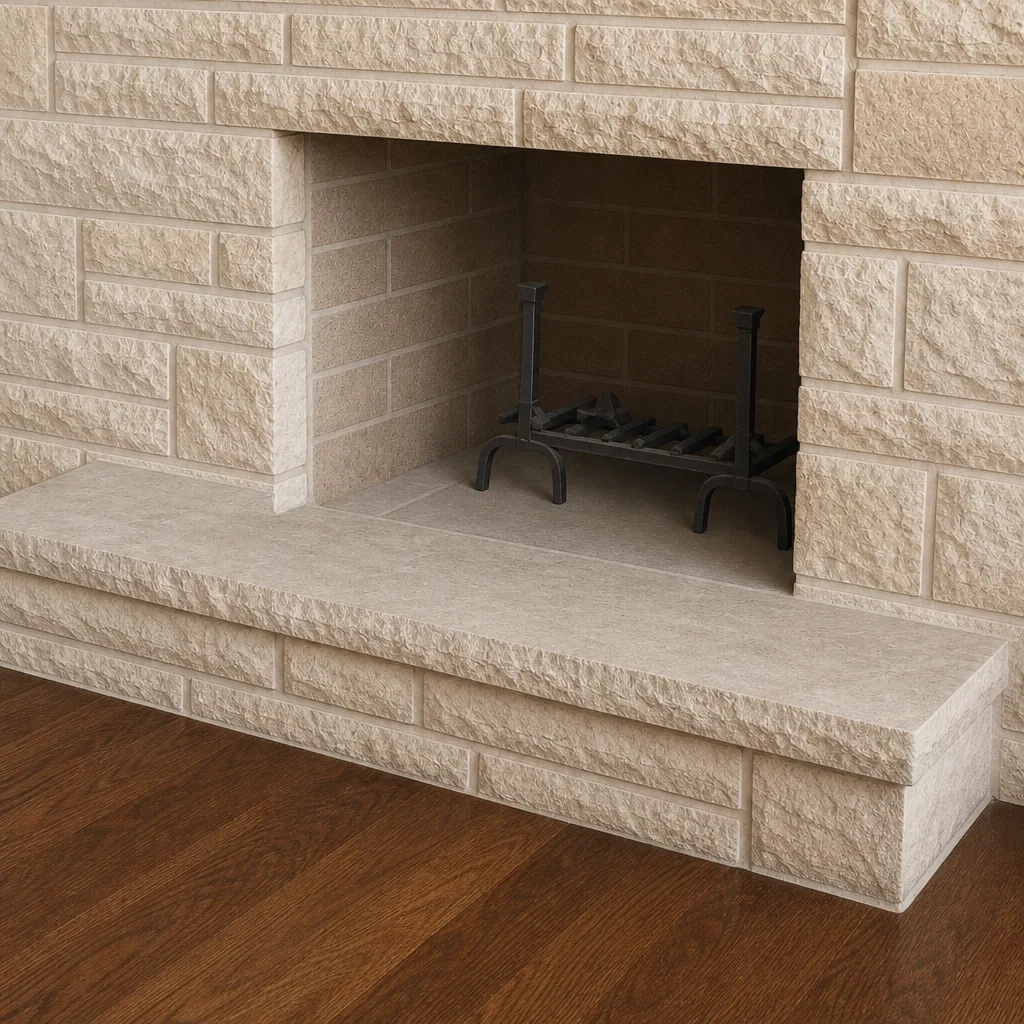 After
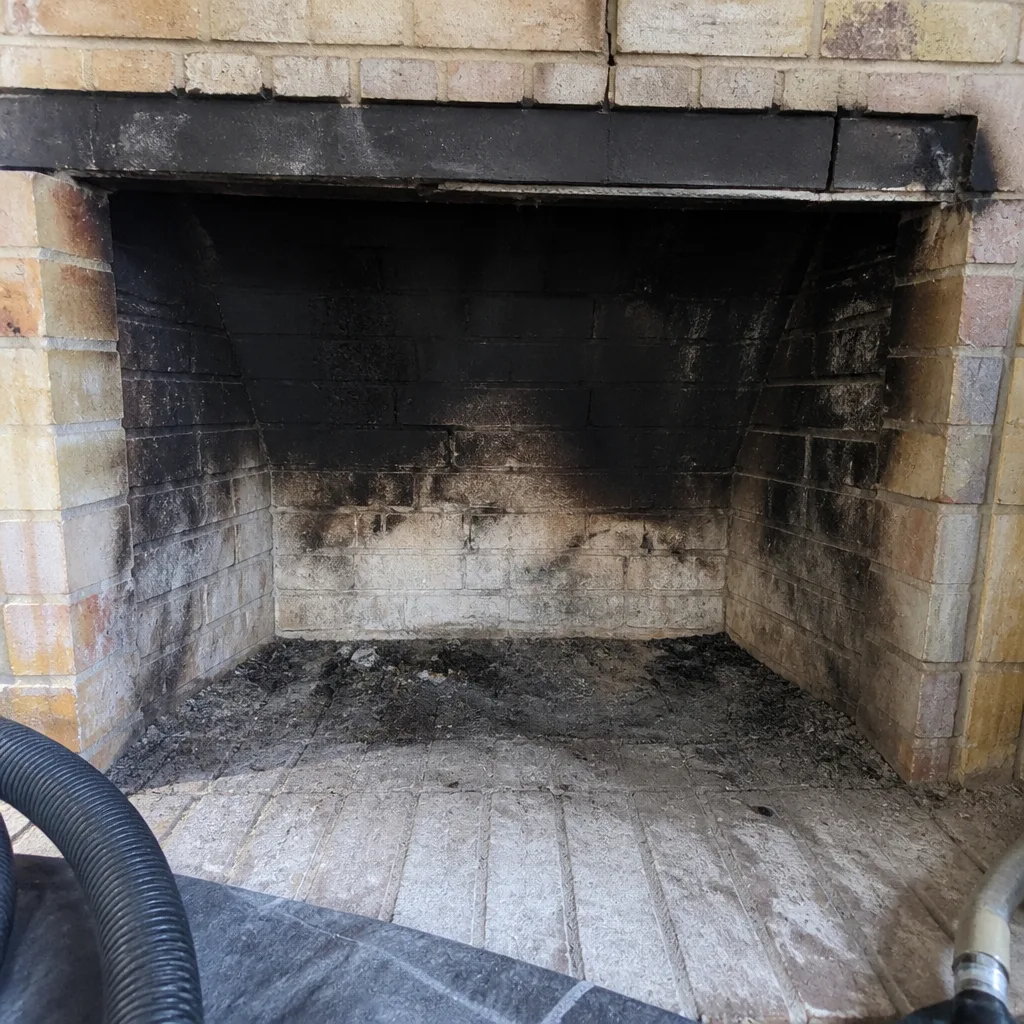 Before
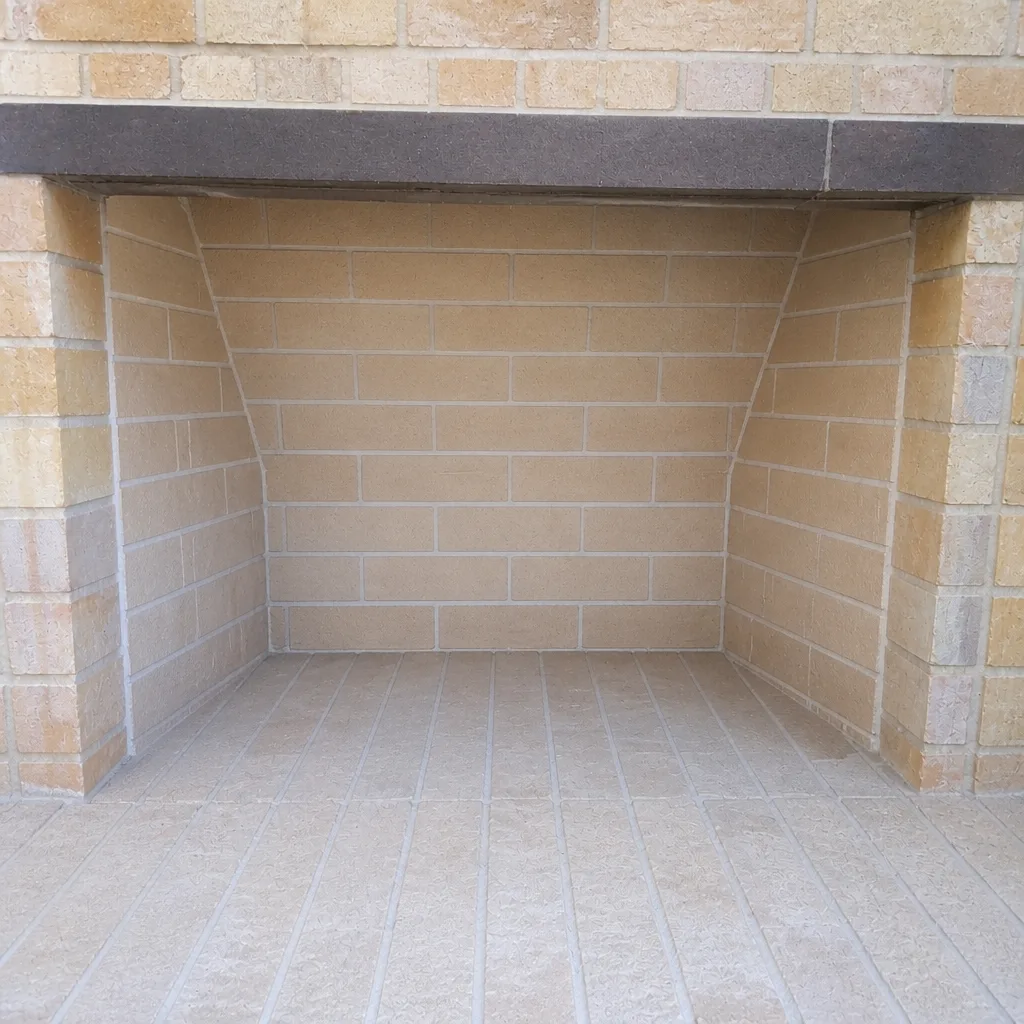 After
When to Call a Professional
Call a professional chimney specialist if any of these apply: you haven’t had a sweep and inspection in over a year, you see smoke rolling back into the room, you smell persistent smoke or musty odor from the fireplace, your cap or crown is damaged after a storm, you see creosote building up on the flue walls, you’re buying or selling a home in Meyerland and need a condition inspection, or your home took a direct lightning strike or a significant wind event. Those are all situations where the risk isn’t worth the wait, and a trained technician can tell you quickly what’s safe and what isn’t. Chimney Sweep Meyerland offers free estimates in Meyerland. Call (833) 696-2226. We answer 24/7. Fast dispatch from 7am to 7pm, Sunday through Friday.
Frequently Asked Questions
Once a year is the standard, and the fall preparation window is the best time to do it. Meyerland’s short, intense burn window and long humid summers mean creosote can build up faster than in a mild climate. If you burn heavily or use unseasoned wood, a mid-season sweep is worth considering. Call (833) 696-2226 for an exact quote: estimates are free.
Skipped care lets moisture, creosote, and animals settle into the flue, and the damage compounds quietly. A cracked liner from moisture is a fire-safety issue, and a blocked flue is a carbon monoxide risk. This isn’t a scare tactic; it’s the reason the calendar exists. Call (833) 696-2226 for an exact quote: estimates are free.
Yes, if it’s been more than a year. A sweep cleans the flue, but it doesn’t tell you whether the liner, crown, or mortar are safe. In Meyerland’s humidity, moisture damage happens where you can’t see it, so a condition assessment is worth having. Call (833) 696-2226 for an exact quote: estimates are free.
No. An open flue lets water and wildlife in immediately, and in a Gulf Coast summer that means a moisture trap forming inside the flue. Get the cap replaced as soon as possible. Call (833) 696-2226 for an exact quote: estimates are free.
Not well. Liner repair requires the right products and a proper understanding of how the flue system works, and generic mortar patches aren’t a substitute for something like HeatShield resurfacing. We use professional-grade materials, including HeatShield and DuraFlex. Call (833) 696-2226 for an exact quote: estimates are free.
Get a professional inspection before you burn again. A strike can crack the liner or masonry in ways that aren’t visible from the ground, and wind can dislodge a cap or crown. A short inspection closes that gap. Call (833) 696-2226 for an exact quote: estimates are free.
The Bottom Line
The Meyerland chimney calendar isn’t the Northeast’s heating season. Summer moisture control, an October prep sweep, winter draft monitoring, and a spring cap-and-crown inspection are the four moves that protect the system through the year. The biggest risk isn’t the fire you can see; it’s the moisture, creosote, and storm damage you can’t. A sweep tells you it’s clean. An inspection tells you it’s safe, and in a climate this humid, that distinction is everything. Book early, get a real condition assessment, and use professional-grade materials for any repair. You’ll spend less over time and sleep better through burn season. Call (833) 696-2226 for a free estimate.
Written by the team at Chimney Sweep Meyerland.