
Last updated November 24, 2026
 Sweep & inspection
 Caps & crowns
 Flue relining
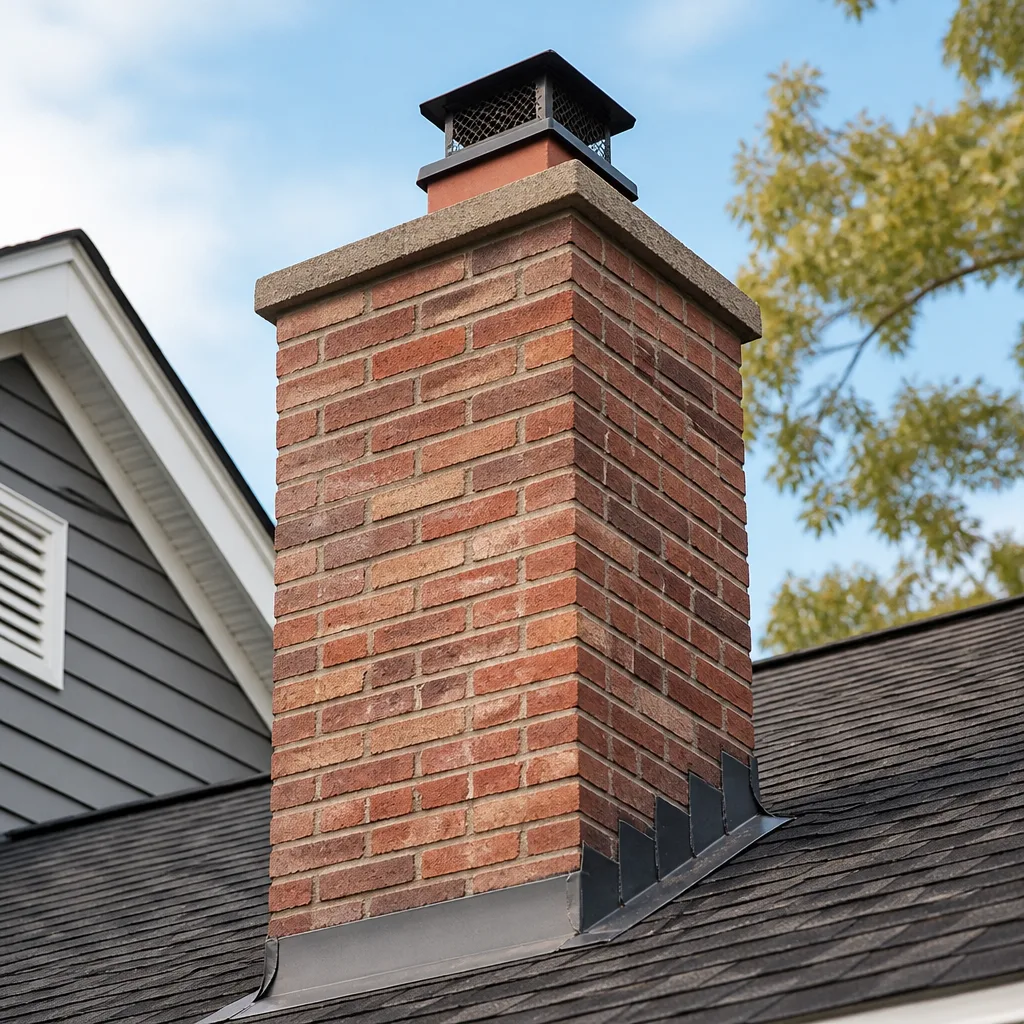 Masonry repair
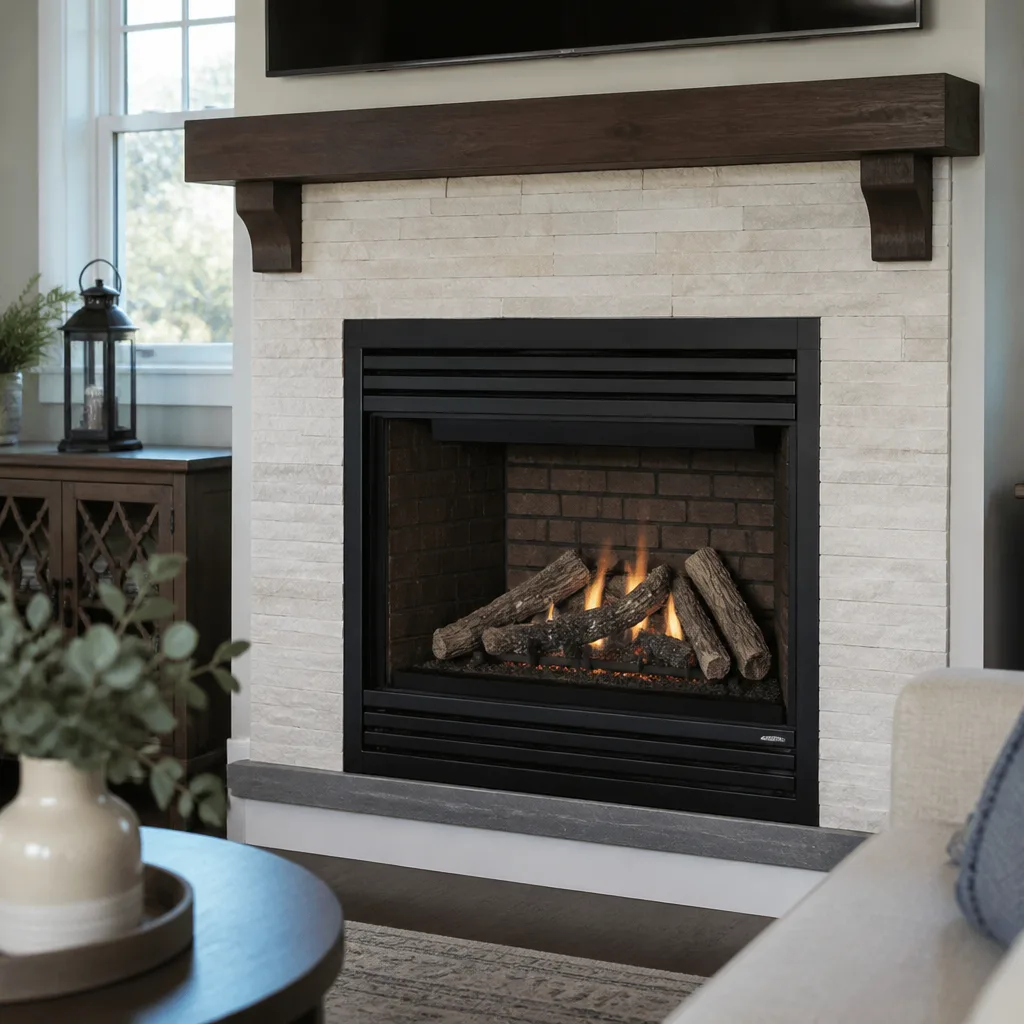 Gas fireplace service
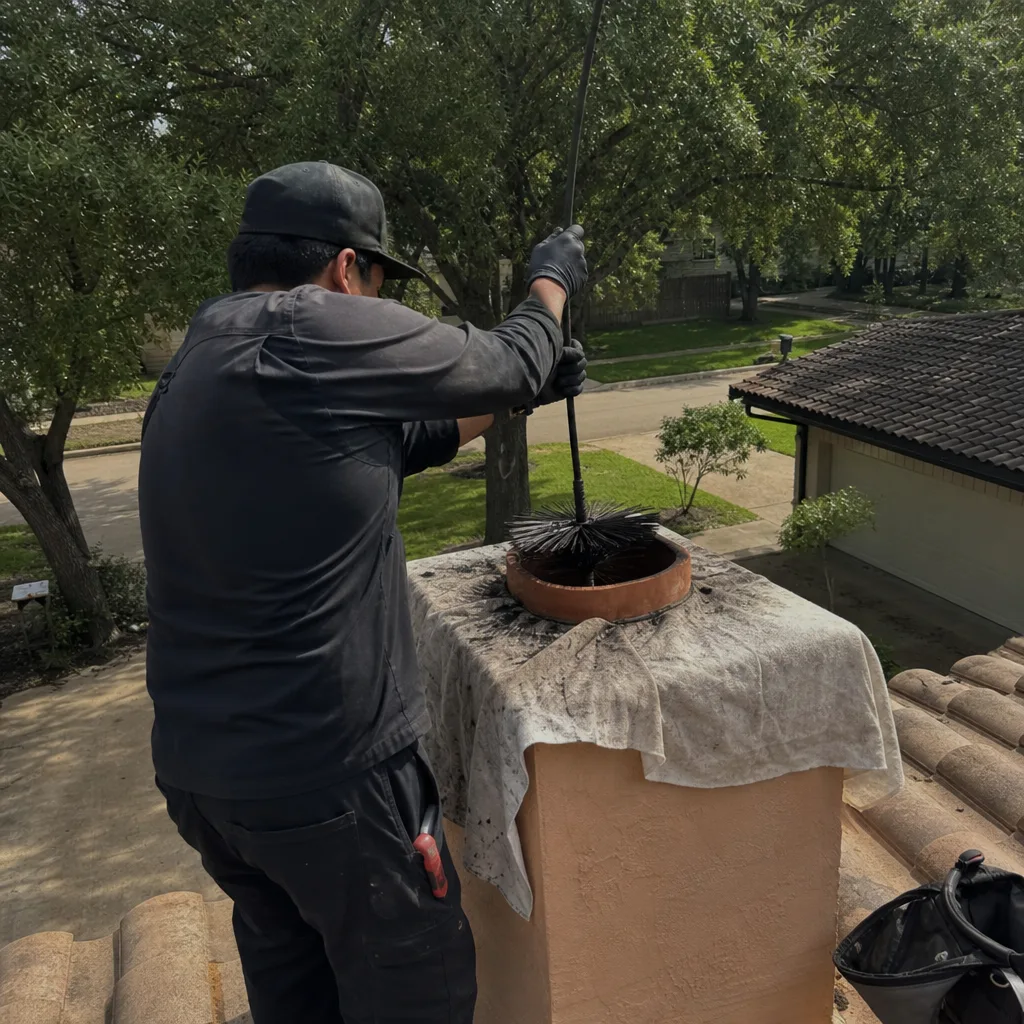
Level 1 sweep and inspection to the NFPA 211 annual standard - flue, crown, cap, and flashing checked and photographed
Chimney sweep logs do not sweep chimneys. They loosen some creosote - which then falls where a brush and vacuum still have to collect it.
Chimney Cleaning Permits, Codes & Inspections in Meyerland, TX: What You Need to Know
Here’s the thing most Meyerland homeowners get wrong: they assume chimney work is chimney work, and the paperwork sorts itself out. It doesn’t. Cleaning and maintenance generally need no permit, but the moment a job crosses into relining, crown rebuilding or firebox repair, Houston’s permit process applies. If a contractor relined your flue during a repair and never pulled a permit, that unpermitted work is your liability now. It sits quietly until you sell the house or file a fire-related insurance claim, and that’s when it surfaces. This guide walks through where the line falls, how the City of Houston and Harris County jurisdictions affect Meyerland addresses, what “code-compliant” actually means on a scope of work, and how to fix past work done without permits.
Quick Answer
In Meyerland, routine chimney cleaning and maintenance don’t require a permit, but repairs and replacements, including relining, crown rebuilding and firebox repair, fall under the City of Houston permit process for most addresses inside the city limits. Inspections should follow NFPA 211, the standard Texas insurers reference when they evaluate a chimney. A compliant contractor gives you written documentation of what was found and what was done, and that documentation matters at resale and at claim time.
Styles & brands we work with
- Sweep & inspection
- Caps & crowns
- Flue relining
- Masonry repair
- Gas fireplace service
Table of Contents
- Where the Line Falls: Cleaning vs. Repair in Houston Code
- City of Houston vs. Harris County: Which Rules Apply to Your Meyerland Address?
- NFPA 211 and What “Code-Compliant” Actually Means
- What to Do If Previous Chimney Work Was Done Without Permits
- The Inspection Documentation a Compliant Contractor Should Provide
- How Inspection Records Interact With Insurance Claims
- What a Chimney Sweep in Meyerland Actually Involves
- A Step-by-Step Pre-Closing Checklist for Buyers and Sellers
Where the Line Falls: Cleaning vs. Repair in Houston Code
The cleanest way to think about it: cleaning removes what accumulated inside the chimney, and repair changes the chimney itself. Removing soot and creosote doesn’t alter the structure, so it’s treated as maintenance. Rebuilding a crown, installing a new liner, or resurfacing a damaged flue changes the system, and that’s when the City of Houston permit process comes into play.
The practical breakdown looks like this:
- No permit typically required: sweeping, creosote removal, cap replacement, and routine maintenance on existing components.
- Permit typically required: relining the flue, rebuilding a chimney crown, firebox repair that involves masonry or refractory material, and any structural repair to the chimney chase.
- Gray areas worth asking about: installing a new cap on a newly built chimney, replacing a damper assembly, and repairing a small crack in the crown versus rebuilding it entirely.
Meyerland’s housing stock makes this more relevant than it sounds. Many homes here were built in the mid-20th century, and a lot of them have had chimney work done in stages over the decades. A flue that was relined during a past repair, a crown that was patched rather than rebuilt, a firebox that got a cosmetic skim coat instead of proper refractory repair: any of these could be unpermitted work sitting in your system right now. When we open up a chimney in Meyerland and find a liner that doesn’t match the era of the house, the first question is usually whether a permit was ever pulled. Sometimes the answer is yes and the paperwork just wasn’t kept. Sometimes it’s no.
If you’re not sure which category your job falls into, the safest move is to ask the City of Houston’s permitting office directly before work begins. A chimney specialist who knows the local process will tell you upfront whether a permit is needed, and it’s a fair question to ask before you sign anything. For the maintenance side of the equation, our chimney sweep service covers the cleaning work that stays outside the permit process.
City of Houston vs. Harris County: Which Rules Apply to Your Meyerland Address?
This is where Meyerland gets genuinely complicated. Meyerland sits in southwest Houston, and most of the neighborhood falls inside the City of Houston’s jurisdiction. But the neighborhood borders several other municipalities and unincorporated Harris County areas, and a handful of addresses near the edges operate under different permitting authorities. Two houses on the same block can technically answer to different offices.
In practice, that means the first step for any repair job in Meyerland is confirming which jurisdiction your address sits in. Here’s how that usually goes:
- Check your address against the City of Houston’s jurisdiction map. The city’s online tools will tell you whether your property is inside the city limits.
- If you’re in the city, permits go through Houston’s permitting office. Repairs to the chimney structure typically require a permit, and inspections happen at defined stages of the work.
- If you’re in an unincorporated Harris County pocket, the county handles it. The county has its own permitting and inspection process, and it doesn’t always match the city’s requirements.
- If you’re in one of the small municipalities that border Meyerland, check with that city directly. Some of them have their own permitting offices and their own rules about chimney work.
Why does this matter for a chimney? Because permit requirements aren’t only about whether you need one. They also determine who inspects the work, what documentation gets generated, and how that documentation reads at resale. A permit pulled through the wrong jurisdiction is almost as bad as no permit at all: it exists, but it doesn’t attach to the right file when a buyer’s inspector goes looking.
For Meyerland homeowners who bought recently, the closing documents usually contain a permit history for the property. If chimney work appears in the disclosure but no permit shows up in the record, that’s a flag worth investigating before you do anything else. And if you’re preparing to sell, it’s worth confirming now rather than during a buyer’s due diligence period.
NFPA 211 and What “Code-Compliant” Actually Means
NFPA 211 is the standard the chimney industry uses to evaluate whether a chimney, fireplace or venting system is safe and properly constructed. When a Texas insurer asks whether a chimney was “code-compliant,” what they’re really asking is whether the system met NFPA 211 at the time it was built, repaired or inspected. It’s the reference point behind almost every chimney inspection report you’ll see.
The standard covers a lot of ground: clearance to combustibles, flue sizing, liner integrity, cap and crown condition, and the condition of the firebox and smoke chamber. On an inspection report, “code-compliant” means the system met these requirements. “Non-compliant” means at least one element didn’t, and the report should tell you which one and why.
What most homeowners never see is the scope of work document that follows an inspection. This is where “code-compliant” gets tested. A good scope of work should include:
- The specific NFPA 211 requirement being addressed (for example, liner integrity or clearance to combustibles), not just a description of the repair.
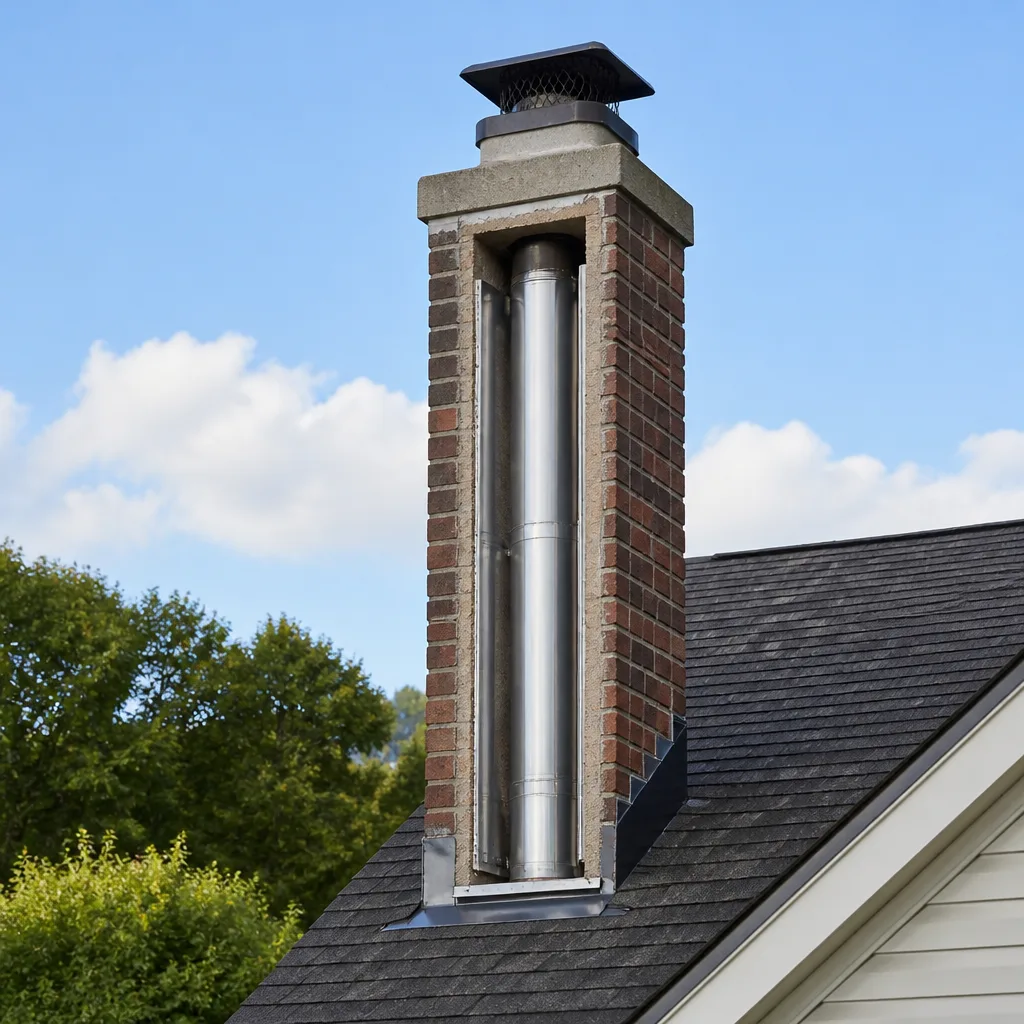
- The product and method being used. A relining job done with DuraFlex stainless liner is a different scope than one done with a generic product, and the scope should say which.
- The condition of adjacent components. Rebuilding a crown without addressing a cracked flue tile below it isn’t a code-compliant repair, and a real scope of work will catch that.
- What’s explicitly excluded. Any element the contractor isn’t touching should be listed, so there’s no confusion later about what was and wasn’t in scope.
This is where a specialist matters. We’ve seen plenty of scope documents in Meyerland that list the repair but not the code reference, and that gap becomes a problem at claim time. A scope that says “relined flue” is not the same as a scope that says “relined flue to NFPA 211 liner integrity requirements, addressing the deteriorated section identified in the inspection report.” The second document is the one that protects you. Our chimney repair work starts from that inspection, so the scope is built on evidence rather than guesswork.
What to Do If Previous Chimney Work Was Done Without Permits
You found it, or a buyer’s inspector found it, and now you need to answer for work you didn’t commission. It happens more often than people realize, especially in Meyerland homes that have changed hands a few times and had chimney repairs done during various ownerships. Here’s the process for resolving it.
- Get a current inspection first. Before you contact the city or the county, get a fresh inspection that documents the current condition of the chimney. An inspection done now establishes what you actually have, which is the baseline for everything that follows.
- Determine what was done and when. Pull the property’s permit history and compare it to the repair records you have. If the prior owner did the work, the disclosure documents from your purchase may tell you who, when and what.
- Identify whether the work was compliant with NFPA 211, permit or no permit. Some unpermitted work is compliant in substance and just missing the paperwork. Other unpermitted work is genuinely non-compliant, and that’s the case that requires corrective repair.
- Contact the permitting jurisdiction. Whether you’re in the City of Houston or an unincorporated Harris County pocket, the permitting office can tell you what’s required to retroactively permit or correct the work. This process usually involves an inspection and, if the work isn’t compliant, a repair that meets the current code.
- Get the corrective work documented in writing. The final inspection record and the scope of work for the corrective repair become your proof at resale and at claim time.
Timing matters here. If you’re selling, this process should start before the house goes on the market, not during the buyer’s inspection period. A corrective permit that closes before closing is a much easier conversation than one that’s still in progress when the buyer’s inspector finds it. If you’re staying, the corrective work protects you on insurance claims and on future resale.
One thing to know: not all unpermitted work requires a permit to fix. If the inspection finds the prior work is compliant in substance, you can sometimes close the gap with a retroactive permit or a documented inspection record. A specialist who works with the local permitting office regularly will know which path applies to your address.
The Inspection Documentation a Compliant Contractor Should Provide
A chimney inspection produces a document that matters for years, not just for the appointment. If the contractor hands you a business card with a note on the back, you don’t have documentation, you have a receipt. Here’s what a real inspection record should include in Meyerland:
- A written report with observations organized by component, not just a pass/fail summary. The firebox, smoke chamber, flue, crown, cap, and exterior chase should each have their own entry.
- Photos of what was found. A good inspection includes photos of any defect and photos of what was done about it. This is what you show the insurer if a claim gets filed.
- The NFPA 211 reference for any non-compliant condition. “Deteriorated flue tile at the second section” is useful. “Non-compliant flue” is not.
- A clear distinction between what needs repair now and what can wait. This is the part that most contractors skip, and it’s the part that protects you from being sold work you don’t need.
- The scope of work, if a repair is recommended, written in the language that the permitting jurisdiction will accept.
- The contractor’s identifying information. The company name, the technician who did the inspection, and the date. A record with none of these won’t hold up at claim time.
We structure our inspection reports around this standard for every Meyerland job. A sweep tells you it’s clean. An inspection tells you it’s safe, and the document is what carries that statement forward. If you only ever get one document from a chimney appointment, make it this one.
There’s a second piece of documentation worth asking about: the product spec sheet for any repair material used. If a relining job involves DuraFlex or an Olympia Chimney product, the spec sheet attached to the inspection record gives the insurer the manufacturer’s information along with the installation details. That’s a much stronger claim record than a receipt that says “chimney repair – $X.”
How Inspection Records Interact With Insurance Claims
If a chimney fire happens, the insurance claims process asks two questions: did the system meet code, and can the homeowner show a record of maintenance? The inspection documentation from a compliant contractor answers both. A chimney with no maintenance record and no inspection in years is a much harder claim to advocate for than one with a documented inspection and a written record of compliant repairs.
Homeowner’s insurance for chimney fires generally hinges on whether the damage was caused by a defect the homeowner should have known about, or by an event that couldn’t have been prevented. Your inspection record speaks directly to that. If the inspection identified a defect and it was repaired, your record shows you took the appropriate action. If the inspection identified a defect and you declined the repair, the record shows that too, and that’s a problem at claim time.
The other piece is the annual sweep record. Most insurers don’t require an annual sweep in writing, but a continuous record of sweeps demonstrates that you’ve been maintaining the system. That record is also what makes an inspection report credible: it shows a consistent history rather than a single report pulled together after an incident.
For Meyerland homeowners, the practical advice is simple. Keep the inspection report and the sweep record in the same folder as your homeowner’s insurance policy documents. If a claim ever gets filed, you’ll be able to produce both in minutes rather than days. And if you’ve never had a formal inspection, that’s the starting point. Talk to us about scheduling an inspection alongside your next sweep, or as a standalone visit.
What a Chimney Sweep in Meyerland Actually Involves
A chimney sweep in Meyerland is a maintenance appointment, not a repair. The technician removes accumulated creosote and soot from the flue, firebox and smoke chamber, then assesses the condition of the system. The appointment usually runs under an hour for a standard masonry fireplace, and the technician leaves the space cleaner than they found it.
What a sweep does not do is evaluate whether the chimney meets code. That’s the inspection side of the job. The two are different services with different documentation, and treating them as the same appointment is one of the ways homeowners end up with an incomplete picture of their chimney’s condition. If your fireplace has been used regularly since the last sweep, you need the sweep. If you can’t remember the last inspection, you need both.
Frequency depends on usage. A fireplace used heavily through the cooler months accumulates creosote faster than an occasional-fire fireplace, and the typical recommendation is an annual sweep with an inspection on the same schedule. Meyerland’s cooler months are mild, so many homeowners here use their fireplaces less than the national average, and the annual rhythm still holds. The point of the annual sweep isn’t to catch a crisis. It’s to catch a small issue before it becomes a repair.
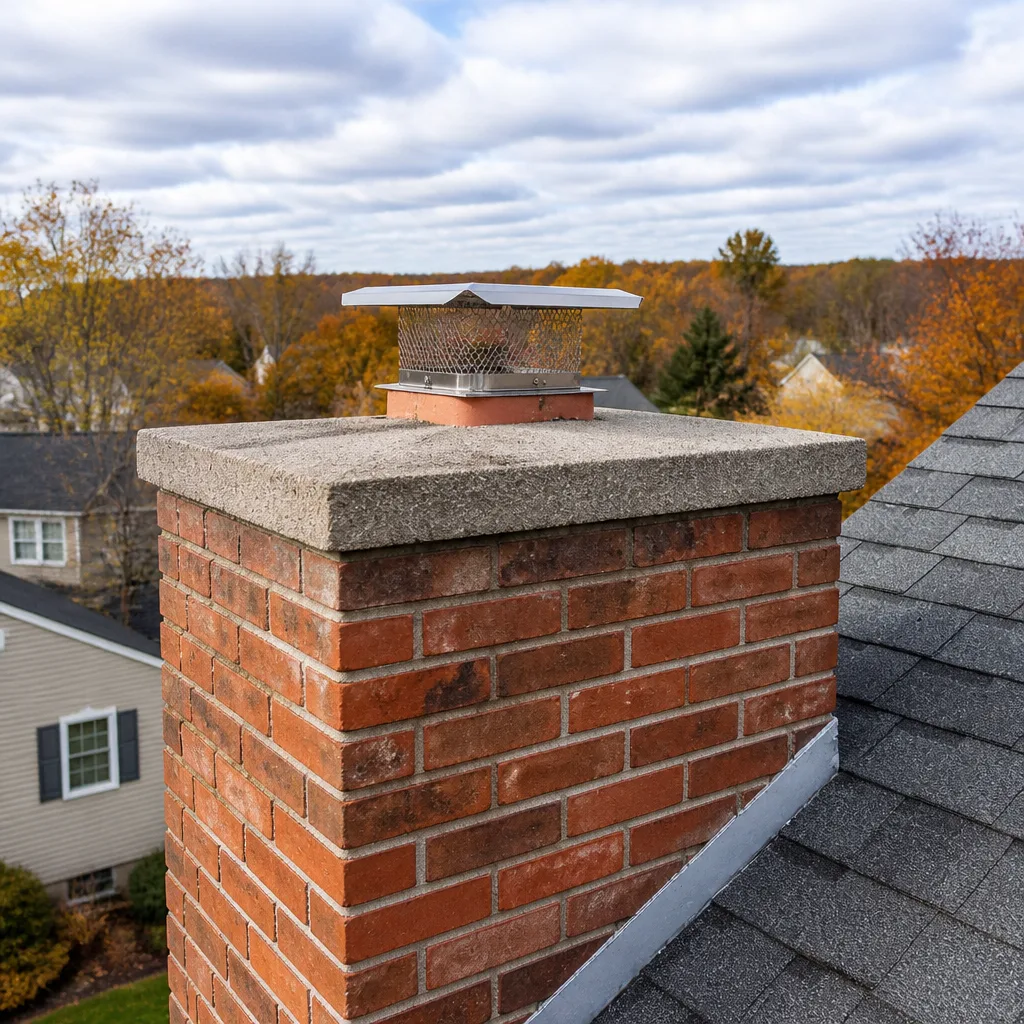
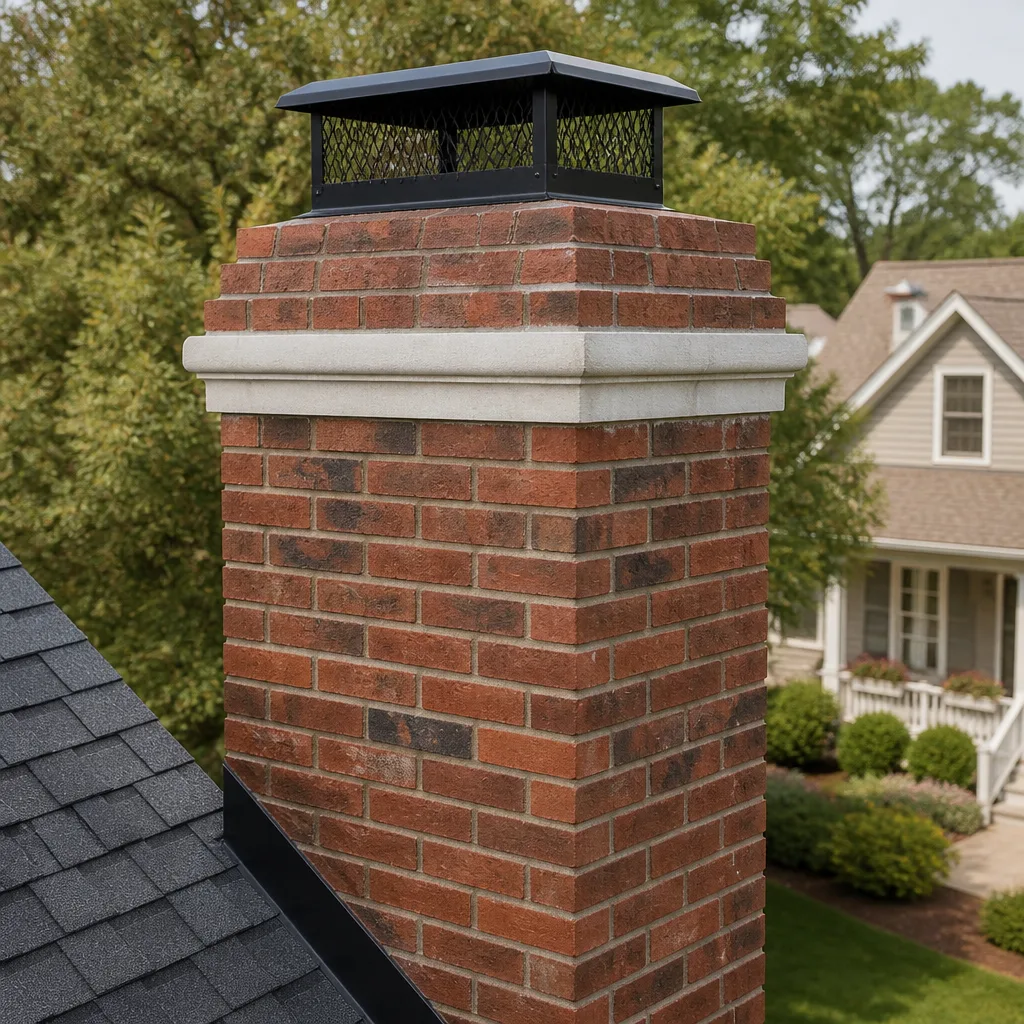
Cap and crown work is often flagged during a sweep, since the technician is already on the roof. We handle chimney cap & crown work as part of the same appointment when it’s needed, using Gelco and Famco products on the ventilation side and matching the cap to the chimney’s dimensions and the smoke chamber’s draft characteristics. Firebox cracks and damper problems also tend to surface during a sweep, and we address those through our fireplace repair service without sending the job to a separate contractor.
A Step-by-Step Pre-Closing Checklist for Buyers and Sellers
If a Meyerland home is in the process of being sold, the chimney is one of the systems where unpermitted work most often surfaces. Here’s the sequence that closes the gap before it becomes a problem.
- Pull the permit history for the address. The City of Houston or Harris County permitting office can provide it, and the closing documents likely contain the disclosure record from the prior sale.
- Compare the permit history to any chimney work disclosed in the seller’s documents. If a relining or crown rebuild appears in the disclosure, the permit should appear in the history.
- Get a current chimney inspection before the buyer’s inspection period. This gives the seller time to do corrective work if it’s needed.
- If unpermitted work is found, start the corrective process immediately. Contact the permitting jurisdiction, get the corrective inspection scheduled, and get the final record.
- Include the inspection report and the permit history in the disclosure package. A seller who discloses the correction openly has a much easier negotiation than one whose buyer finds it during due diligence.
- For buyers, request the inspection report and permit history before the inspection contingency expires. If the record doesn’t include an inspection, the inspection contingency is where you ask for one.
We get called for these inspections at all stages of a closing, and the ones that go smoothly are almost always the ones where the seller pulled the record early. The ones that get tense are where the unpermitted work surfaces during the buyer’s inspection. Same chimney, different paperwork, very different conversation.
Common Mistakes to Avoid
- Assuming cleaning and repair fall under the same permit rules. Cleaning is maintenance and typically needs no permit. Relining, crown rebuilding and firebox repair usually do. Treating them as the same category is the single most common source of unpermitted work in Meyerland.
- Not confirming which jurisdiction your address sits in before hiring. Two homes on the same street can answer to different permitting offices. A permit through the wrong jurisdiction is as problematic as no permit at all.
- Accepting a receipt instead of an inspection report. A receipt documents a payment. An inspection report documents the condition of the chimney, references NFPA 211, and carries weight at resale and at claim time.
- Skipping the inspection because the sweep “looked fine.” A clean flue and a compliant flue are two different things. The sweep cleans the chimney; the inspection tells you whether it’s safe.
- Selling a Meyerland home without pulling the chimney permit history. The buyer’s inspector will find the unpermitted work, and the conversation is much harder mid-closing than it would have been during the seller’s own due diligence.
- Letting a generalist handle a repair that needs a specialist’s scope of work. A handyman can sweep a flue. A chimney specialist produces the scope of work, references the code, and pulls the permit through the right jurisdiction.
- Filing a claim without the inspection record. The insurance claim process asks whether the system met code and whether you maintained it. Both answers come from documents you should already have on file.
See the difference
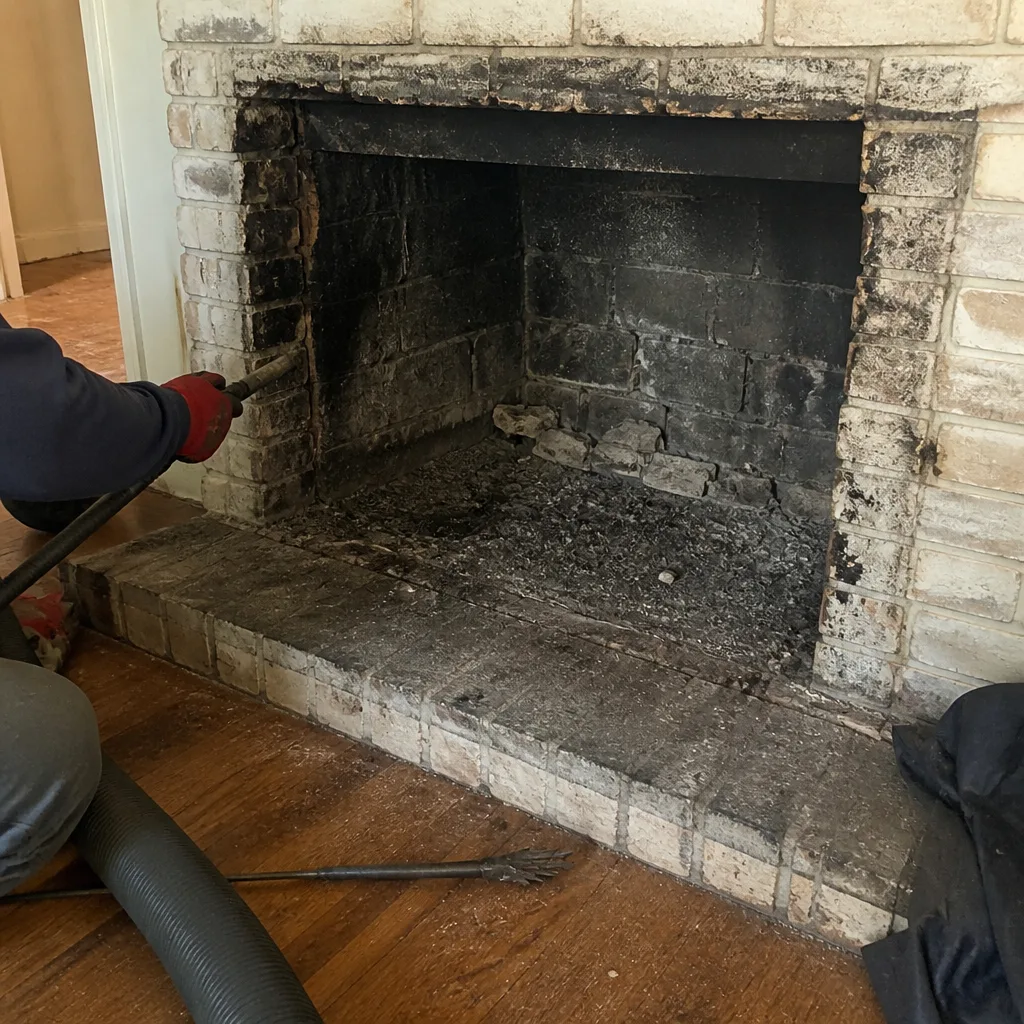 Before
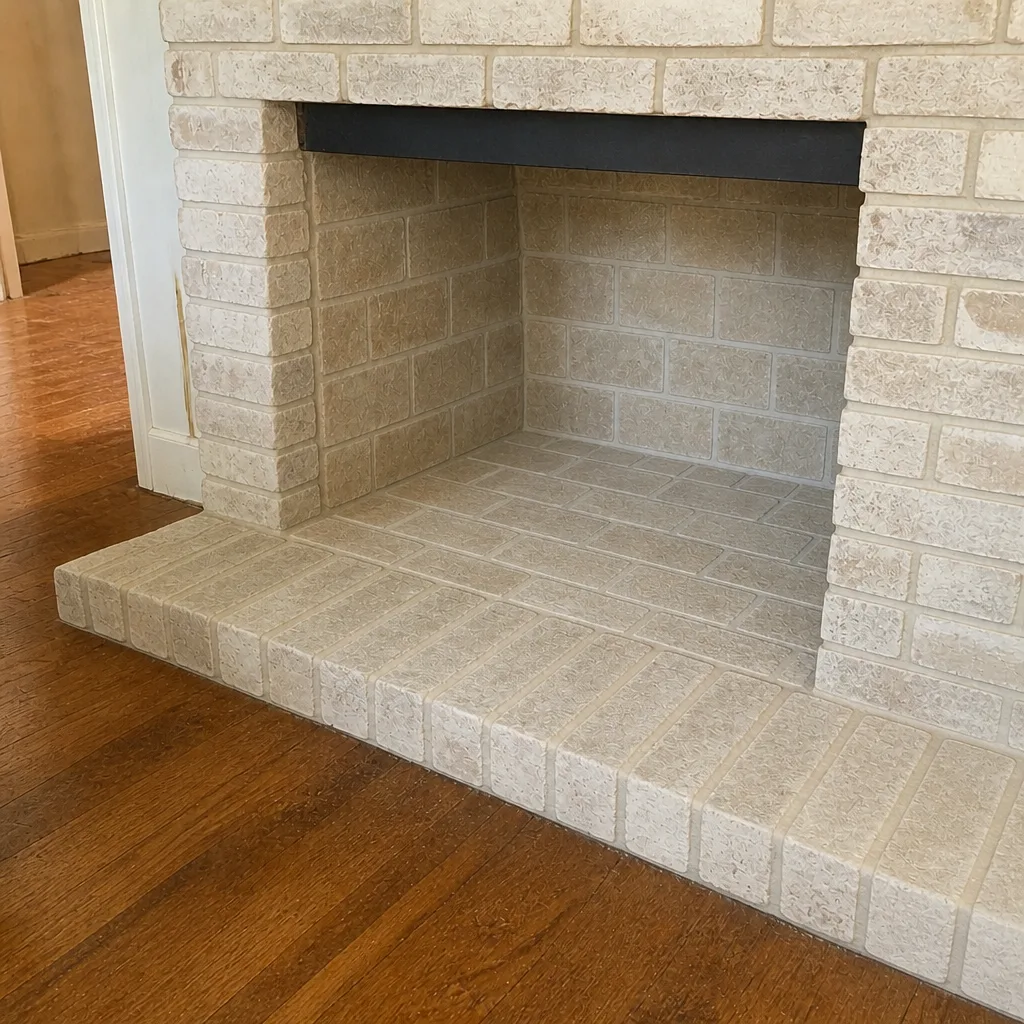 After
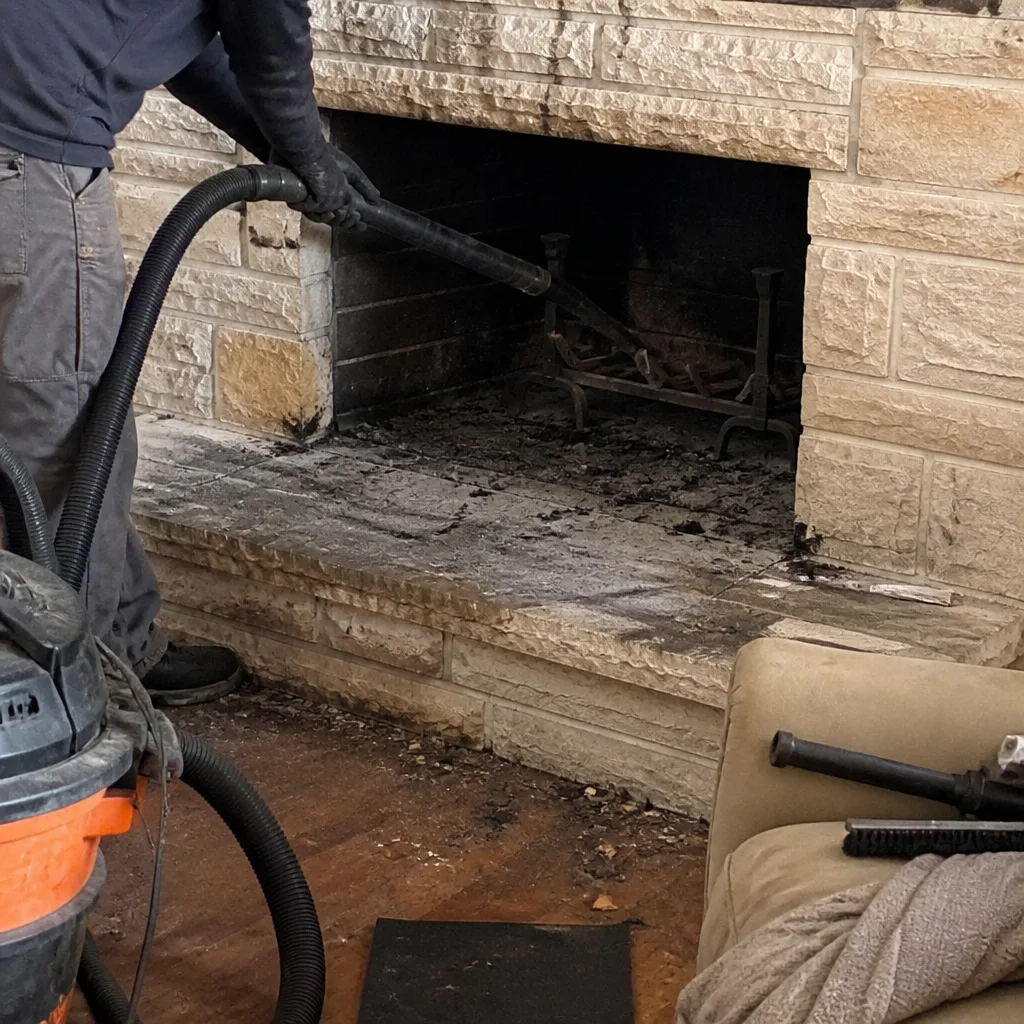 Before
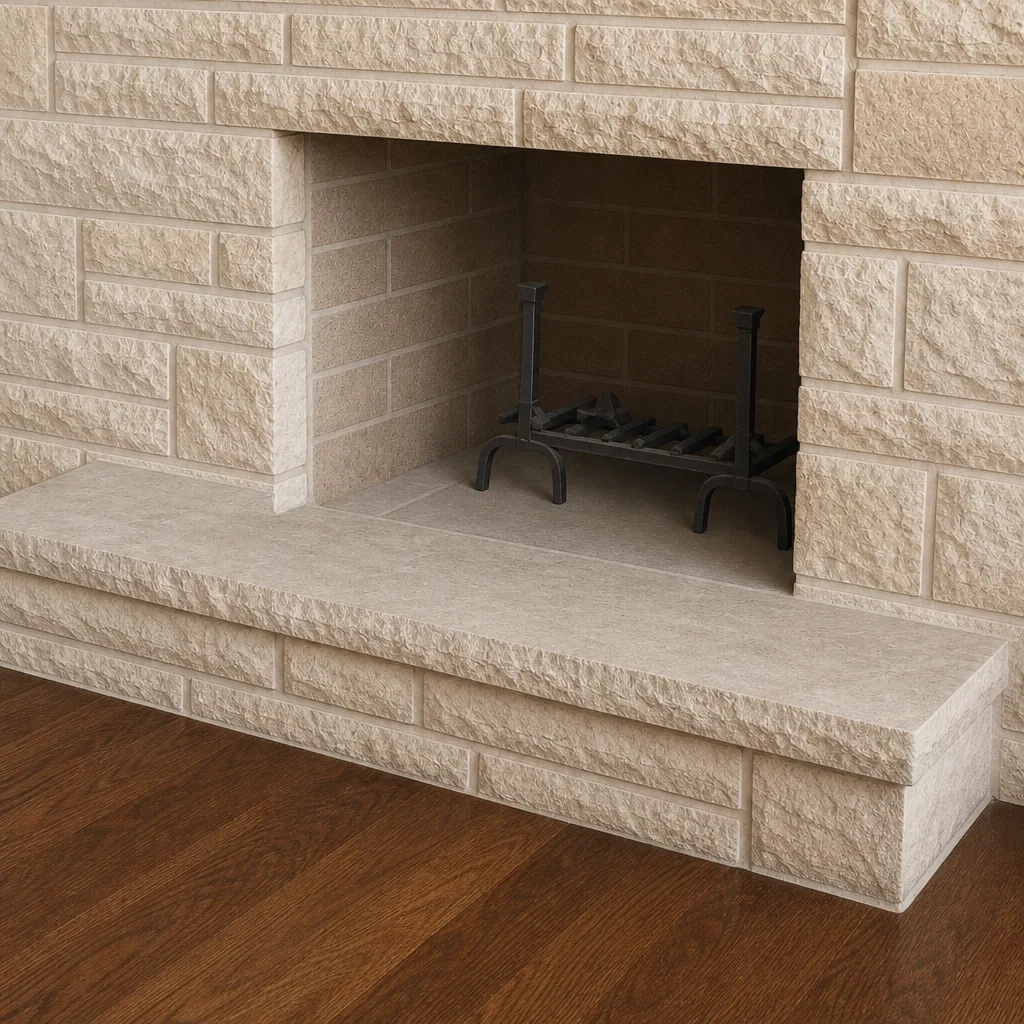 After
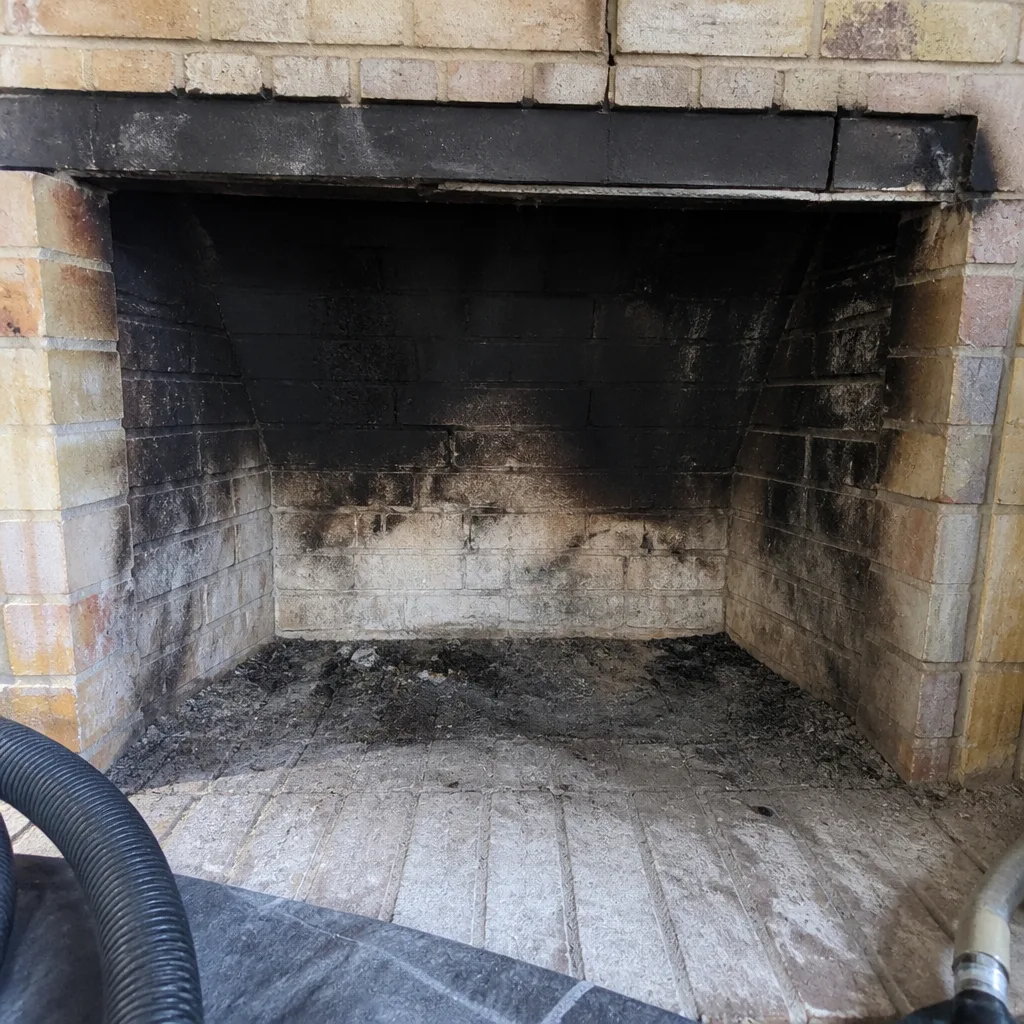 Before
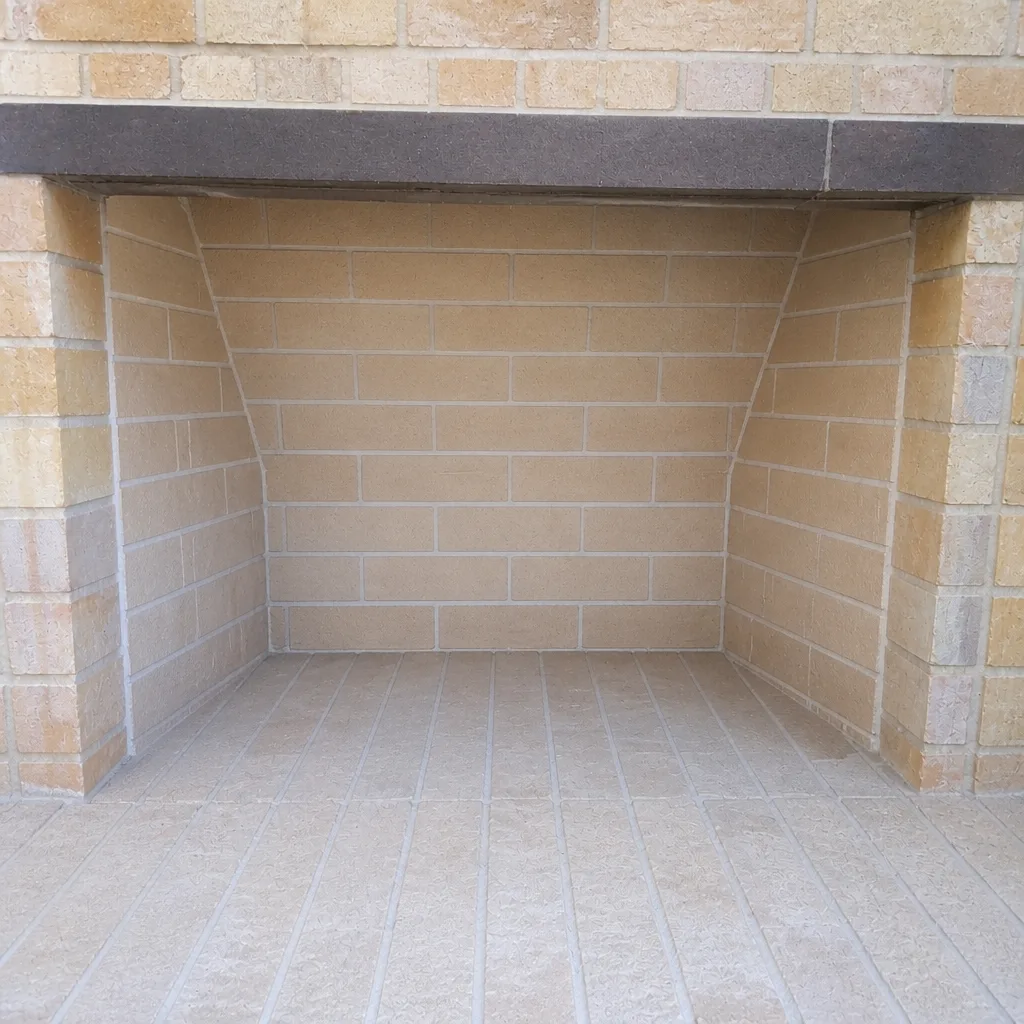 After
When to Call a Professional
Call a chimney specialist if you’re buying or selling a Meyerland home and the chimney permit history is unclear. Call if a prior owner had chimney work done and you can’t find the permit record. Call if your last sweep didn’t come with a written inspection report, or if you’ve never had an inspection. Call if the firebox has visible cracks, the crown is missing a section, or the cap has come loose. And call if you’re simply not sure whether the work you need crosses from maintenance into repair, because that’s the line where permits matter. Chimney Sweep Meyerland offers free estimates in Meyerland. Call (833) 696-2226. We answer 24/7. Fast dispatch from 7am to 7pm, Sunday through Friday. Our technicians have up to 9 years of experience, and every scope of work we write references the code it satisfies.
Frequently Asked Questions
No. Chimney cleaning and routine maintenance in Meyerland typically don’t require a permit from the City of Houston or Harris County, because cleaning doesn’t alter the chimney structure. Permits come into play when the job moves into repair or replacement, including relining, crown rebuilding and firebox repair. If you’re not sure which category your job falls into, call (833) 696-2226 and we’ll tell you before any work begins.
We don’t quote an inspection price without seeing the chimney, because the scope of an inspection depends on the system and the number of components that need documentation. The written estimate sets the final price, and the estimate itself is free. Call (833) 696-2226 for an exact quote.
The unpermitted work becomes your liability, and it surfaces when you sell the house or file a fire-related insurance claim. The fix is a current inspection, a comparison against the permit history, a determination of whether the work is NFPA 211 compliant, and a corrective permit through the jurisdiction that governs your address. Call (833) 696-2226 and we’ll walk you through where your Meyerland address stands.
NFPA 211 is the standard the chimney industry uses to evaluate whether a chimney, fireplace or venting system is safe and properly constructed, and it’s the reference point Texas insurers use when they ask whether a chimney was code-compliant. A scope of work that names the specific NFPA 211 requirement it addresses is the one that holds up at claim time. Call (833) 696-2226 for an inspection that produces that scope of work.
Annual inspection is the standard, on the same rhythm as the annual sweep. Meyerland’s cooler months are mild, so the frequency depends on usage, but the annual inspection catches small issues before they become repairs. If you can’t remember your last inspection, schedule one now. Call (833) 696-2226 for a free estimate.
Yes. The insurance claim process asks whether the system met code and whether you maintained it, and the inspection report answers both with documentation. A report that references NFPA 211, includes photos and lists what was repaired gives your claim a factual record to stand on. Call (833) 696-2226 to schedule an inspection and get that record on file.
The Bottom Line
Chimney cleaning in Meyerland doesn’t need a permit, but repair work usually does, and knowing where that line falls is the difference between a documented chimney and an unpermitted one that surfaces at resale or claim time. Confirm your address’s jurisdiction before work begins. Insist on an inspection report that references NFPA 211, not just a receipt. If prior work was done without permits, start the corrective process early, ideally before a sale. And keep the inspection report, the sweep record and your permit history in the same folder as your insurance documents. When you’re ready to sort out where your Meyerland chimney stands, call (833) 696-2226 for a free estimate. We answer 24/7. Fast dispatch from 7am to 7pm, Sunday through Friday.
Chimney Sweep Meyerland is a chimney-only specialist covering sweep, cap and crown, fireplace repair, chimney repair and inspection. We carry and install products from DuraFlex, HeatShield, Gelco, Olympia Chimney, Famco and Copperfield, so the repair matches the diagnosis rather than whatever happens to be on hand. One company, every part of your chimney system. Visit Chimney Sweep Meyerland for the full scope of services, or call (833) 696-2226 to book an inspection or a sweep.
Written by the team at Chimney Sweep Meyerland.