
Last updated November 24, 2026
 Sweep & inspection
 Caps & crowns
 Flue relining
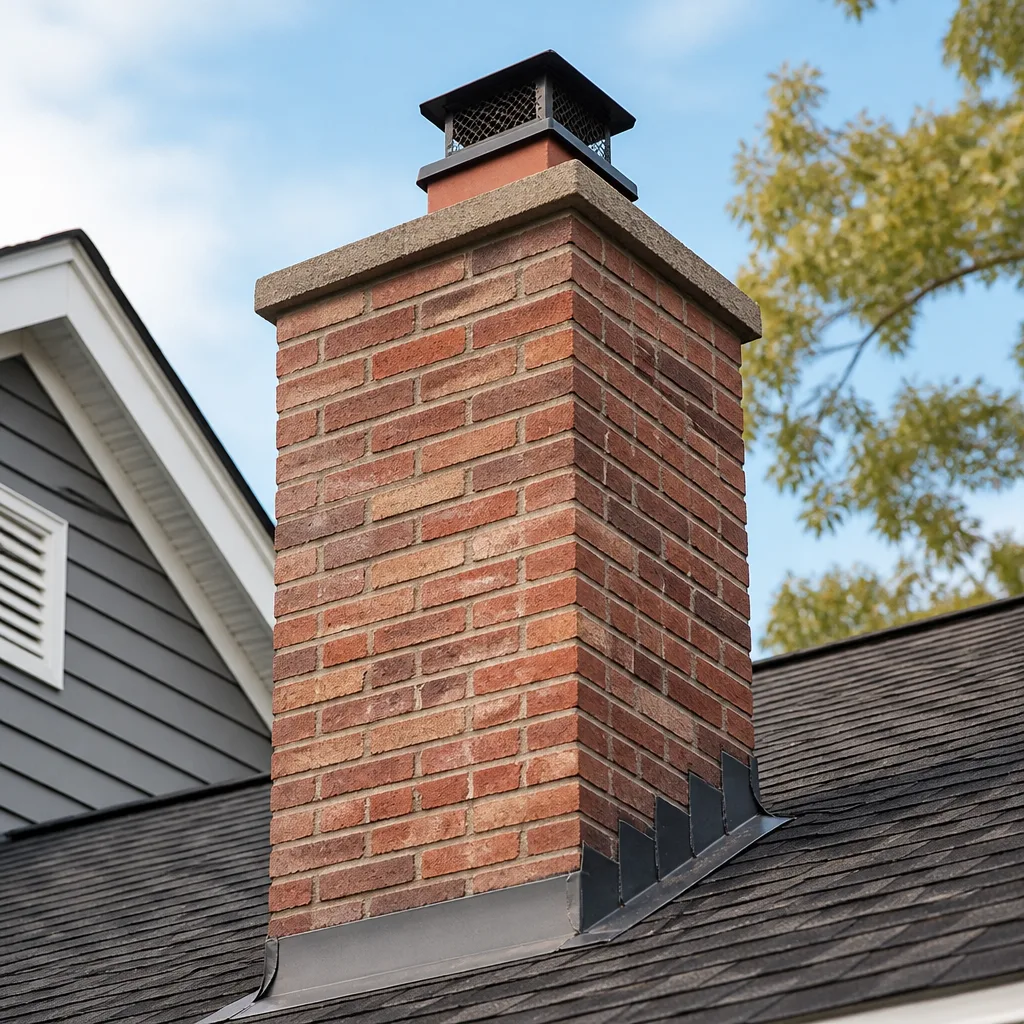 Masonry repair
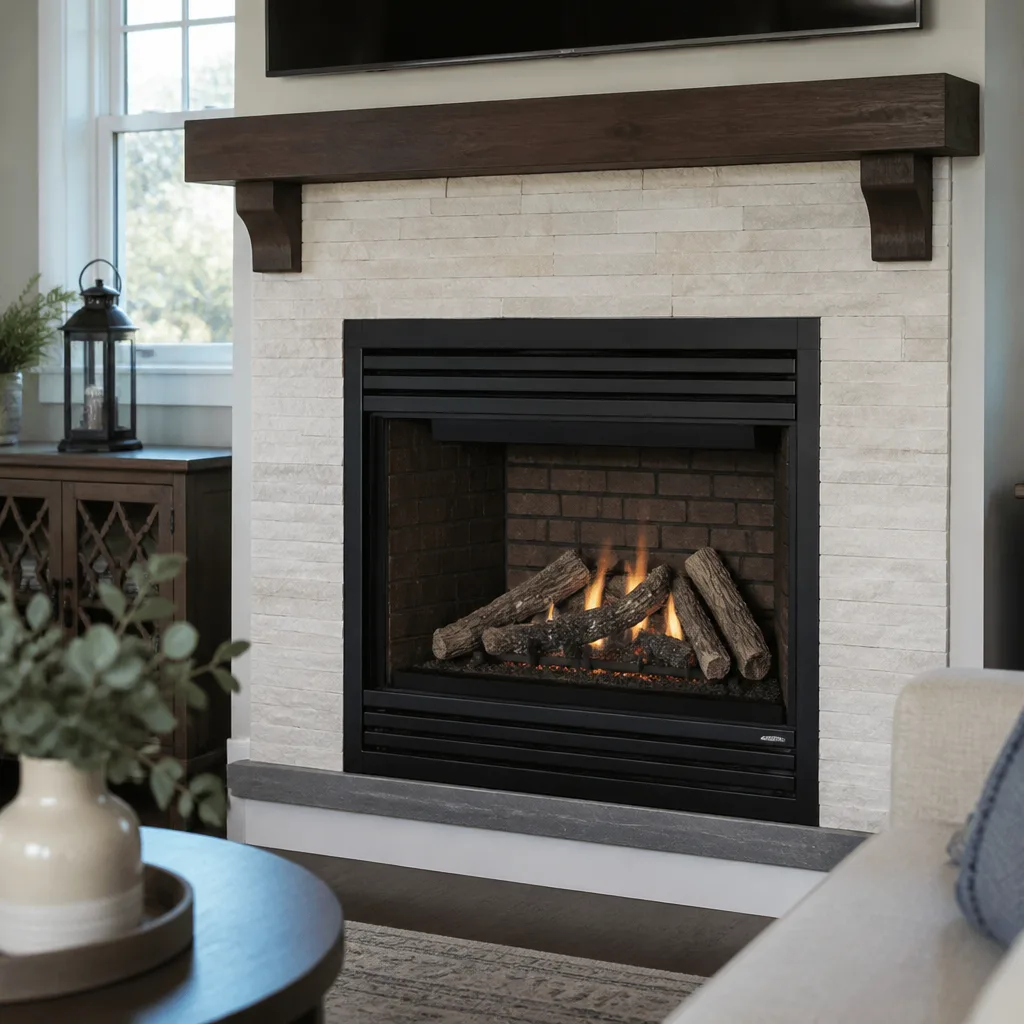 Gas fireplace service
Level 1 sweep and inspection to the NFPA 211 annual standard - flue, crown, cap, and flashing checked and photographed
Chimney sweep logs do not sweep chimneys. They loosen some creosote - which then falls where a brush and vacuum still have to collect it.
DIY vs Professional Chimney Cleaning: The Meyerland Homeowner’s Decision Guide
The chimney brush kits on the hardware store shelf are real tools, not toys. They’re built for a real job, and in the right situation a homeowner can use one to clear loose soot and debris from an accessible flue. What a brush kit can’t do is diagnose. It can’t see a cracked liner joint hidden above the damper, and it can’t tell you whether the mortar around your flue tile is still doing its job. In Meyerland’s post-flood housing stock, where many homes sat through water intrusion and long months of repair and rebuild, an undiagnosed liner crack is the actual fire risk. This guide draws a precise line between the cleaning you can reasonably do yourself and the work that has to be evaluated by a specialist, and it gives you a decision tree to apply to your own home this season.
Styles & brands we work with
- Sweep & inspection
- Caps & crowns
- Flue relining
- Masonry repair
- Gas fireplace service
Quick Answer
DIY chimney brushing is appropriate only when four conditions are all true: the flue is an accessible single-flue masonry system, a professional has inspected it recently and left a written report on record, the fireplace sees light use, and no damage has been flagged. In every other case, and always when there’s no inspection on file, professional cleaning is the right call because a brush cleans but only an inspection diagnoses. For most Meyerland homeowners using a fireplace regularly, that means the professional appointment is the one that actually protects the house.
Table of Contents
- What DIY Brushing Can Actually Accomplish
- What No Brush Kit Can Do, Regardless of Quality
- The Equipment a Legitimate DIY Sweep Requires
- Honest Cost Comparison: DIY vs Professional
- Why Meyerland’s Post-Flood Housing Stock Changes the Calculus
- Insurance and Documentation: What Insurers Ask After a Chimney Fire
- The Four-Question Decision Tree
- Creosote Stages and the Removal Limits of a Hand Brush
What DIY Brushing Can Actually Accomplish
A properly sized brush on a flexible rod, worked from the top or from the firebox, removes loose soot, ash, and light creosote flakes from the walls of a straight, accessible flue. It dislodges bird nests and debris. It keeps a lightly used fireplace from accumulating a soft sooty layer season after season. On a simple single-flue masonry chimney with a clean-out door and a flue the brush can travel end to end, that is a genuine, useful outcome.
So DIY brushing is not a joke. It’s a real task with a real result. The confusion comes from what homeowners think a clean flue implies. A clean flue is not a safe flue, and it’s not a monitored flue. You’ve removed one variable, the visible soot, and left every structural question untouched.
In our experience, the homes best suited to a DIY sweep share these traits:
- A recent professional inspection report on hand, with no damage flagged
- A single-flue masonry chimney with an accessible flue and clean-out
- Light use, meaning occasional evening fires rather than daily burning through the cool months
- No history of chimney fire, water intrusion, or shifted flue tiles
- A flue the brush can travel the full length of without obstruction
If any of those is missing, the brush still works, but it works on the wrong problem. You’re cleaning a system you haven’t checked. That distinction is the whole argument of this guide.
What No Brush Kit Can Do, Regardless of Quality
The gap between consumer and professional chimney work isn’t equipment grade. It’s diagnosis. The most expensive brush kit on the shelf still can’t see inside the flue, and the work of a professional chimney sweep starts where the brush stops: with the evaluation that determines whether the flue is safe to use at all.
Here’s what a professional appointment with a camera and a trained eye accomplishes that a DIY brush cannot:
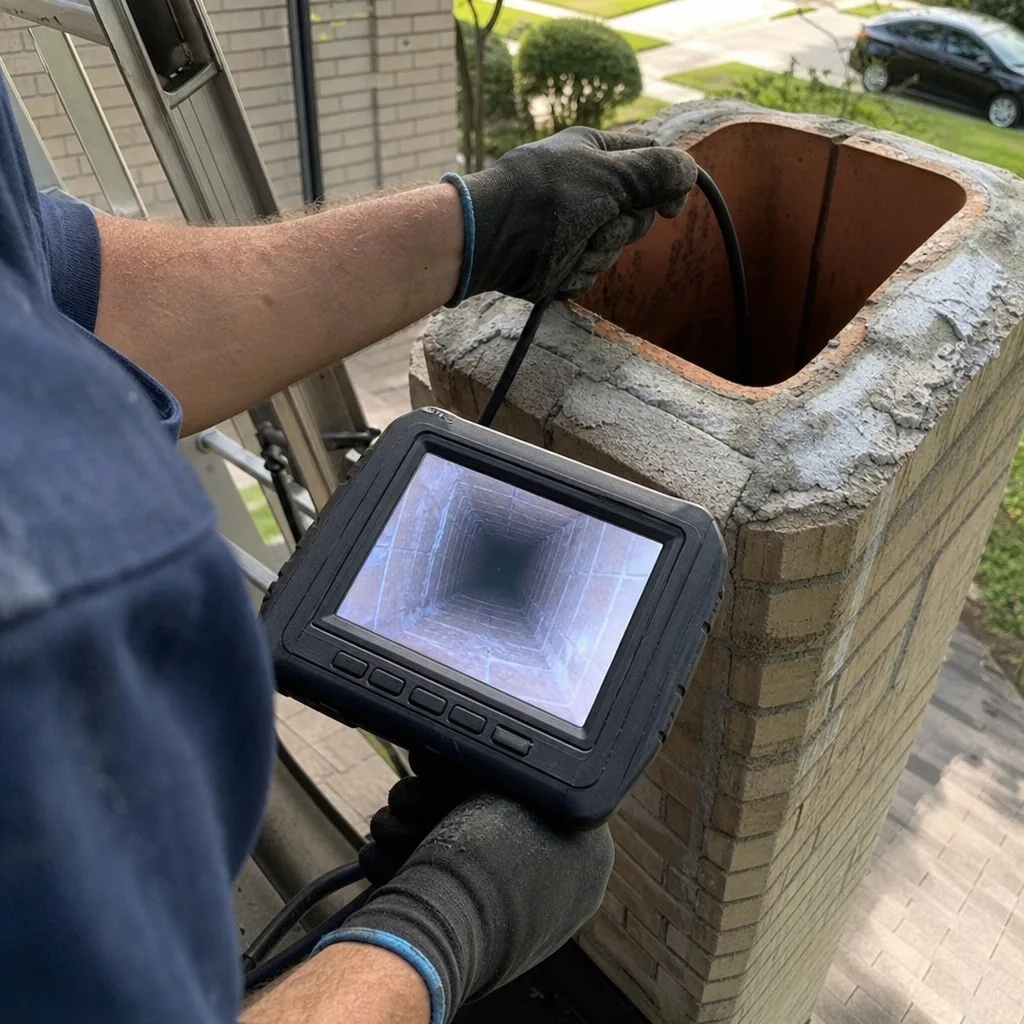
- Camera inspection of the full flue. A video sweep of the flue reveals cracked tiles, gaps at mortar joints, and separation where the flue meets the chimney crown. You can see those defects for yourself on the monitor, which means the recommendation comes with evidence, not a sales pitch.
- Smoke testing. A smoke test confirms draft performance and finds leaks in the flue that a visual sweep misses. Draft is the whole reason the system works, and no hand brush measures it.
- Mortar joint evaluation. The mortar between flue tiles is the barrier between hot gases and the surrounding structure. It degrades over time, and it degrades invisibly from the firebox.
- Stage 2 and Stage 3 creosote removal. Glazed, hardened creosote can’t be brushed off with a hand tool. It has to be chemically treated or mechanically removed with professional equipment. This is the creosote that burns hottest.
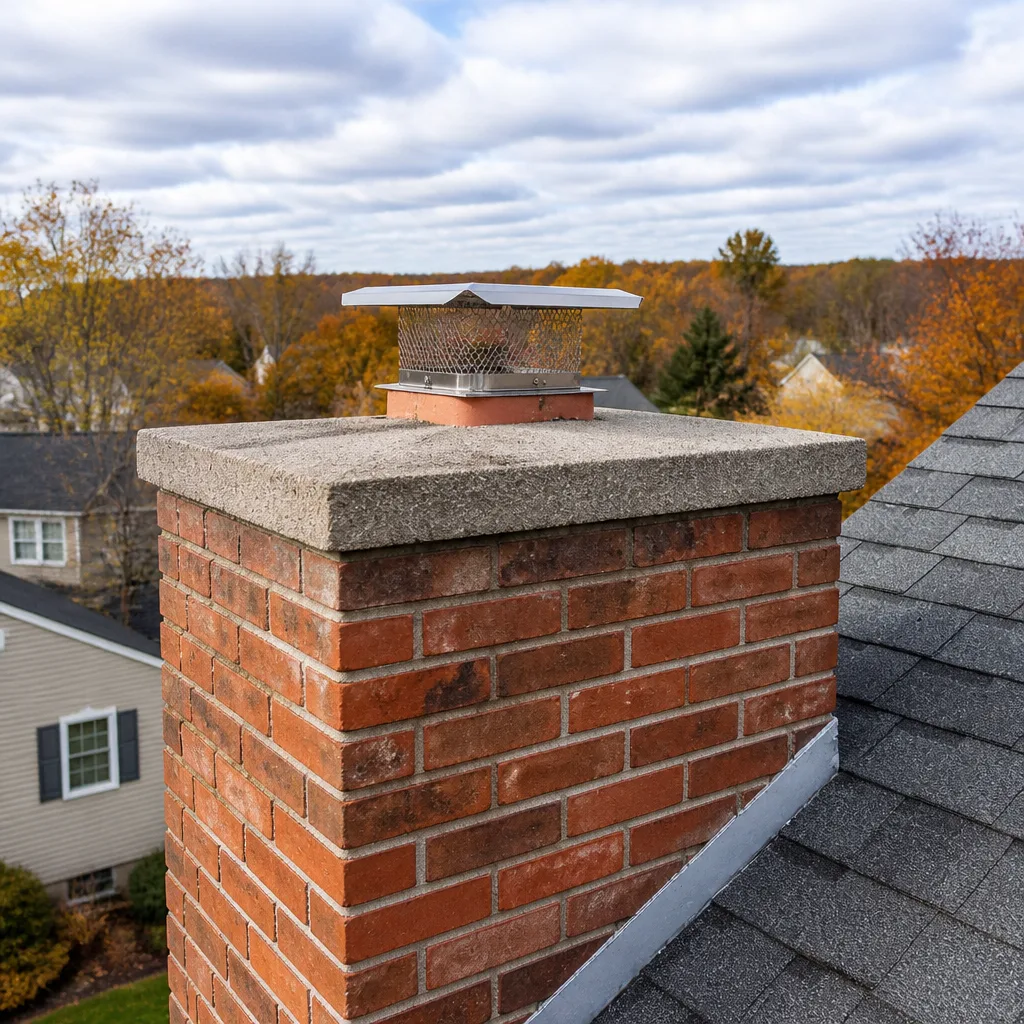
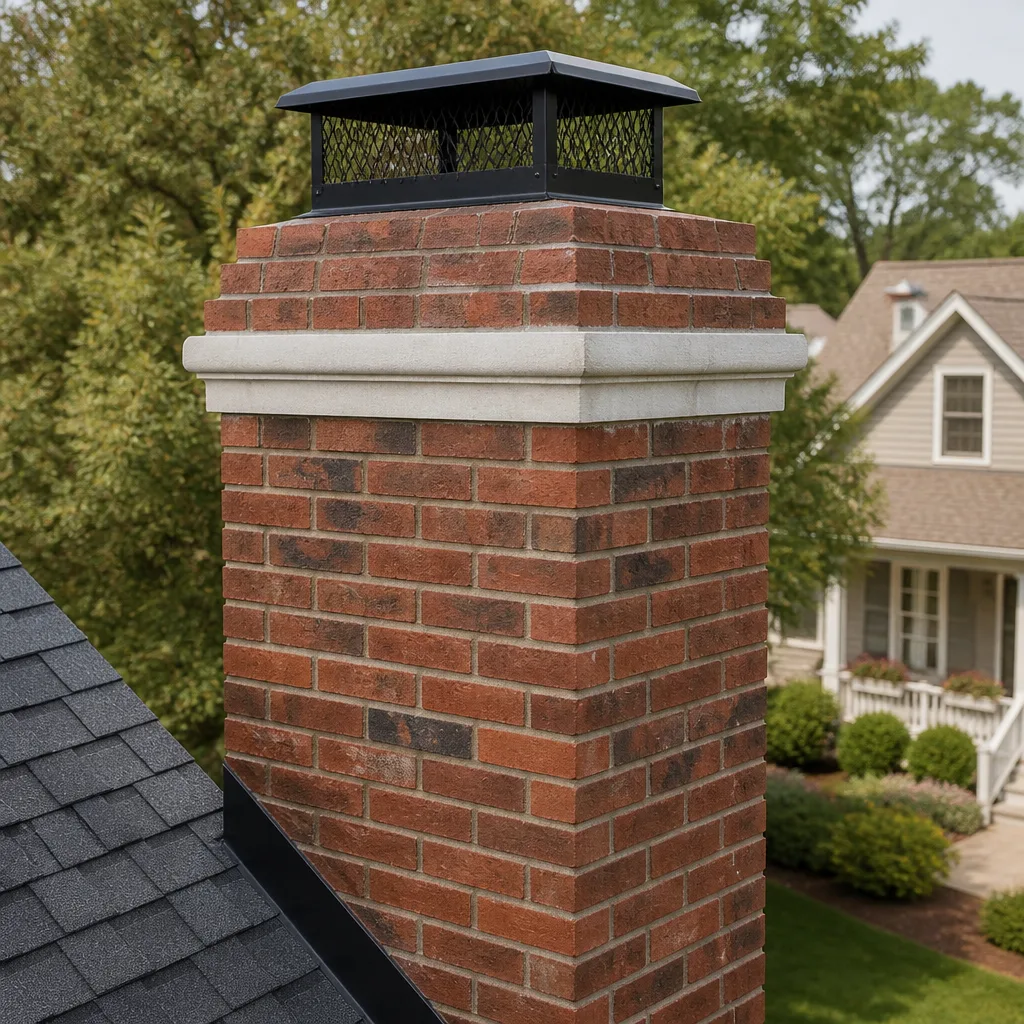
- Cap, crown, and liner condition. The top of the chimney takes weather year after year. A cracked crown lets water in, and water in a flue is a slow path to failure. This is the part of the system a chimney cap & crown evaluation covers.
A sweep tells you it’s clean. An inspection tells you it’s safe. When you clean your own flue, you’re doing the first half of the job and skipping the half that actually matters.
The Equipment a Legitimate DIY Sweep Requires
Most homeowners who try this start with the minimum kit: a nylon brush and a few rods. That’s where DIY sweeps go wrong. A real, safe DIY job requires more, and the shopping list is longer than the box on the shelf implies. If you’re not prepared to buy all of it, you’re not prepared to do the job.
Here’s what a legitimate DIY sweep requires:
- A brush matched to your flue shape and size. Round for round clay tiles, rectangular for the older rectangular flues. The wrong shape scrapes the tile and does an uneven job.
- Rods long enough to reach the full flue. Measure the flue height and buy rods that clear it end to end, plus a length to spare. Short rods mean the brush stalls halfway up.
- Drop cloths and a sealed work area. Soot migrates. You’ll want drop cloths, a shop vacuum rated for fine soot, and plastic sealing the room off from the rest of the house.
- Respiratory protection and eye protection. Soot and creosote are respiratory irritants. A dust mask and goggles are not optional.
- A ladder rated for roof work, and the confidence to use it. Top-down sweeping means roof access. If you’re not comfortable on a roof, don’t go up.
- A flashlight to visually check the flue before and after. The brush tells you nothing. Your eyes and a light tell you what the brush did and what it left behind.
The cost of the equipment adds up. Where DIY genuinely wins is on homes that are already well-diagnosed, already clean of defects, and lightly used. In those homes the recurring cost of a professional sweep isn’t buying safety, it’s buying time you already have. The trade-off is straightforward when you put the list side by side.
Honest Cost Comparison: DIY vs Professional
Chimney cleaning is priced per job by written estimate, and that’s the number a homeowner should work from. It’s also the number that makes DIY look cheaper than it is, because the true cost of a DIY sweep includes the equipment you buy once and use maybe twice, and the professional inspection you should still book to confirm the flue is sound.
Here’s how the two paths compare when you price them honestly. The types of cost are listed below; the written estimate sets your actual number.
- DIY one-time equipment: brush, rods, vacuum, drop cloths, eye and respiratory protection. The recurring cost drops once the kit is bought, but the first year is the most expensive.
- DIY recurring: essentially zero if the kit holds up, plus the cost of a professional inspection you’re still going to want on file.
- Professional sweep: priced per job by written estimate, with a camera inspection and photo report included. The price is agreed before the work begins.
- Professional inspection as a standalone: priced separately, and useful as a credible condition assessment even when you’re not ready for a sweep.
- Documentation value: a professional sweep produces a record of the condition of the flue. A DIY sweep produces a clean flue and no record, which matters if you ever sell the house, have a claim, or need to demonstrate that the chimney was being maintained.
The short version: DIY is cheaper if your home is already diagnosed, lightly used, and structurally sound. If it isn’t, you’re paying for a kit that diagnoses nothing, and you’ll still need the inspection. That’s the real price of the brush.
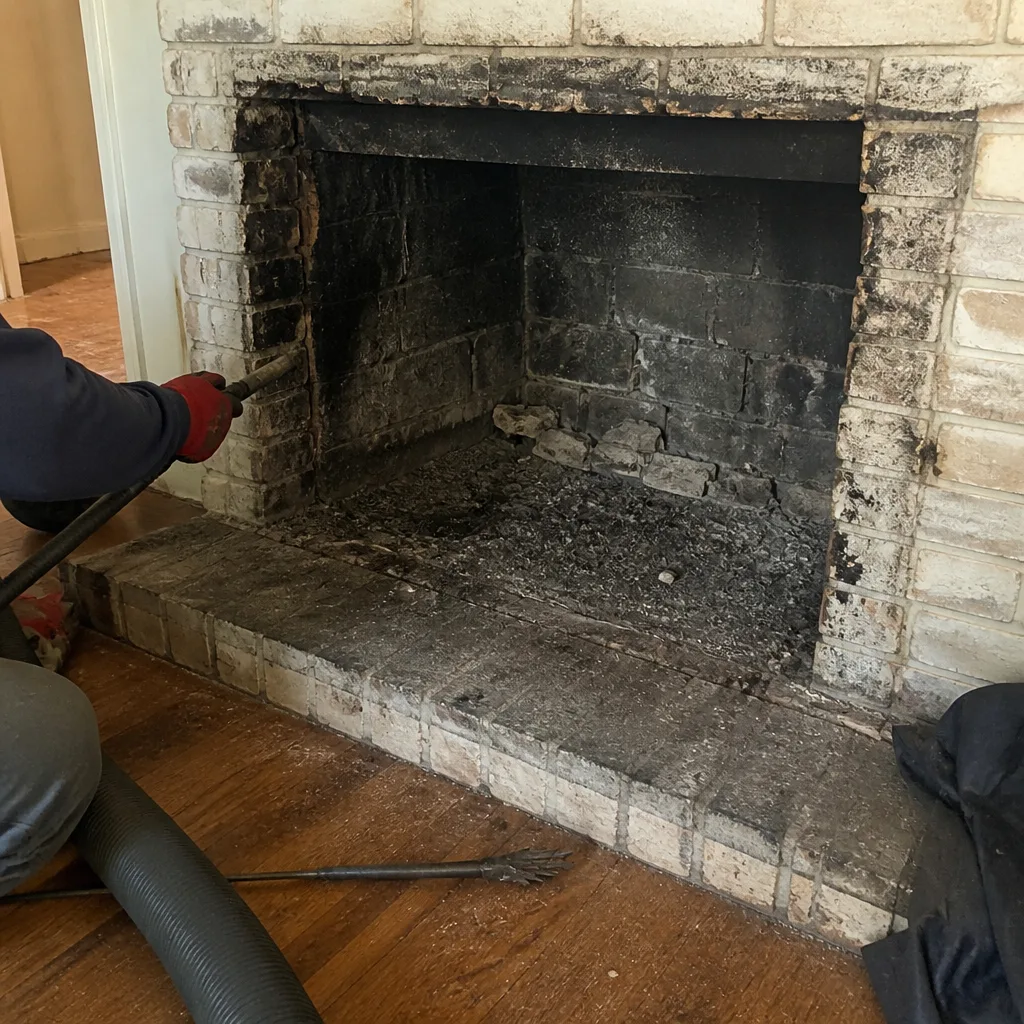 Before
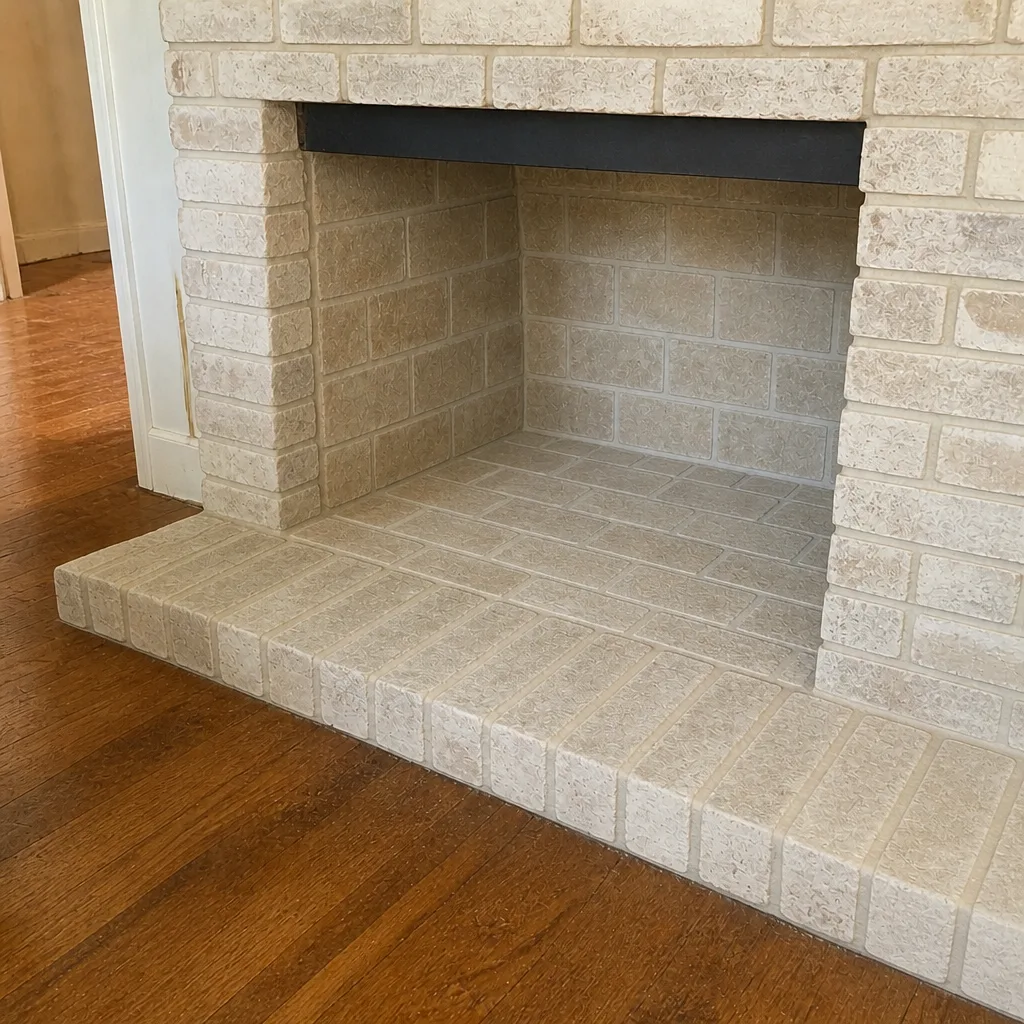 After
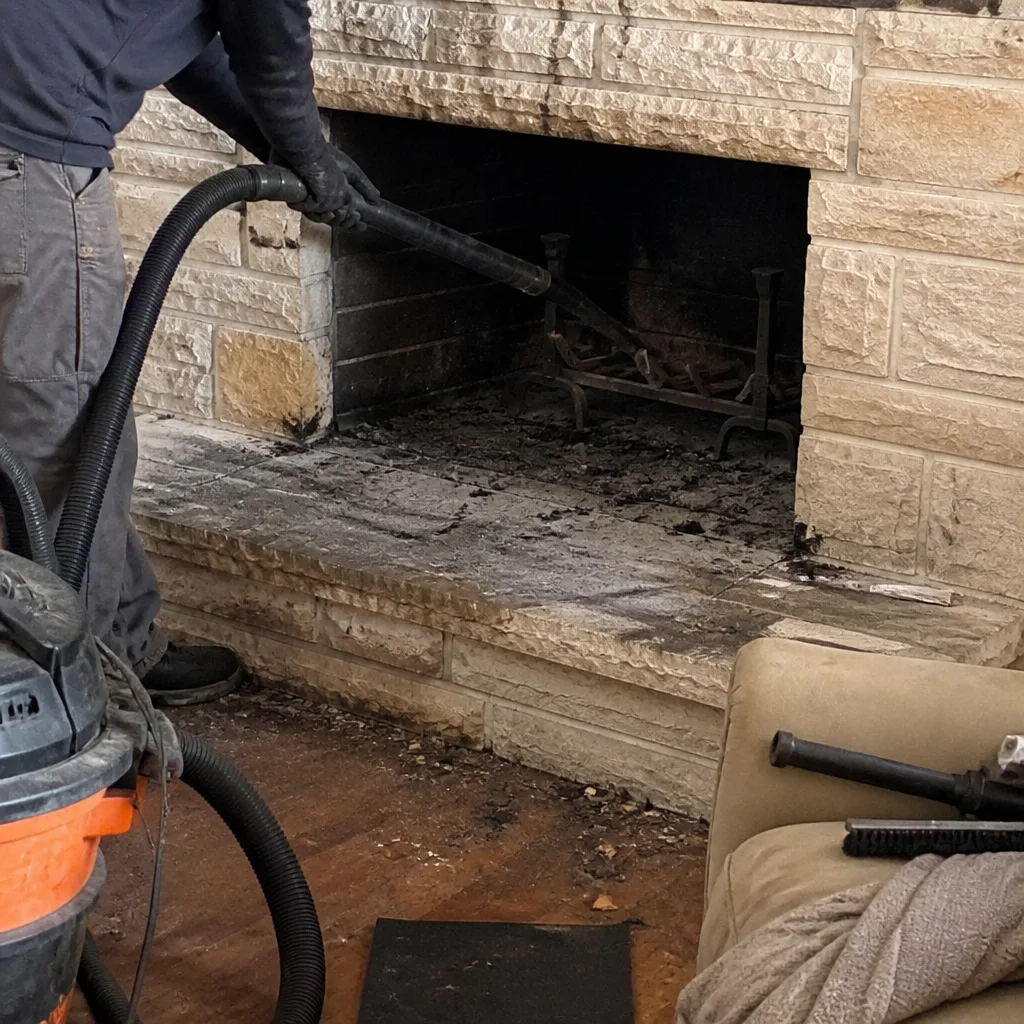 Before
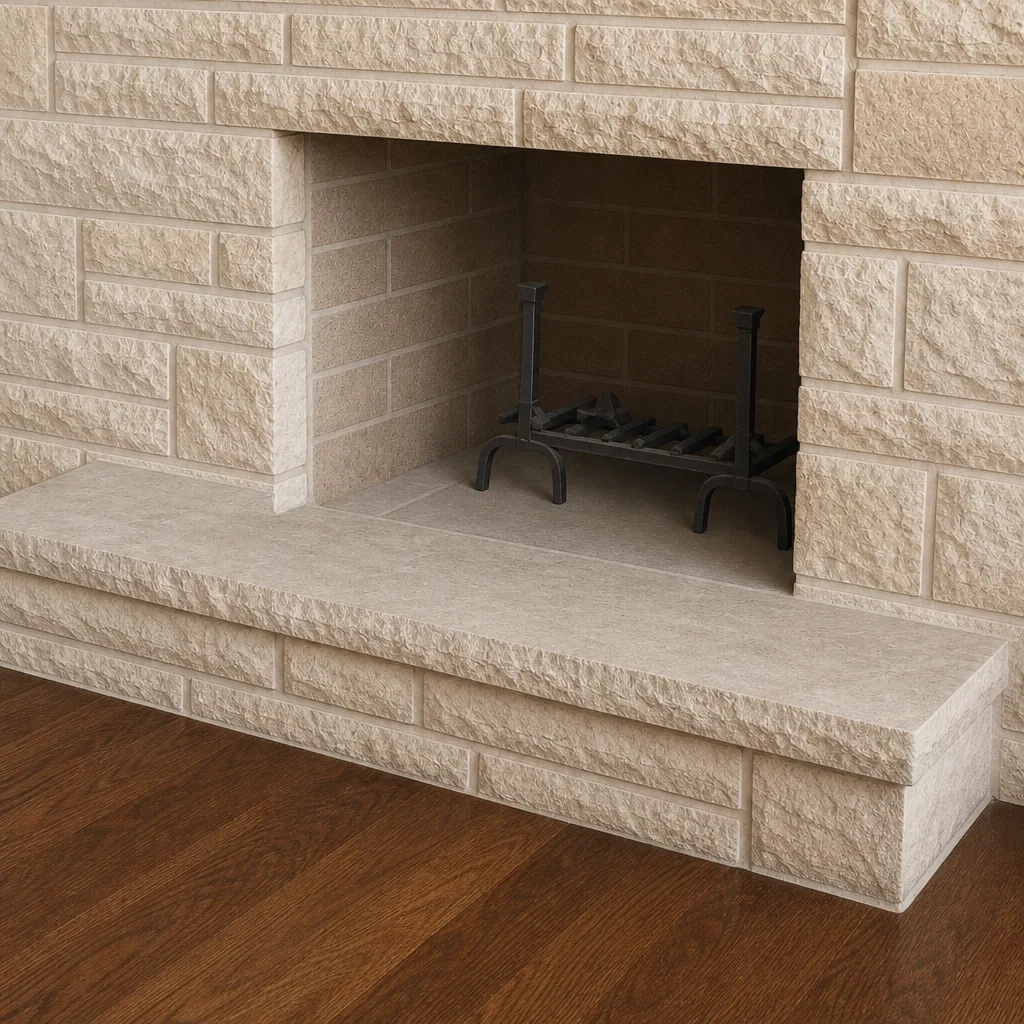 After
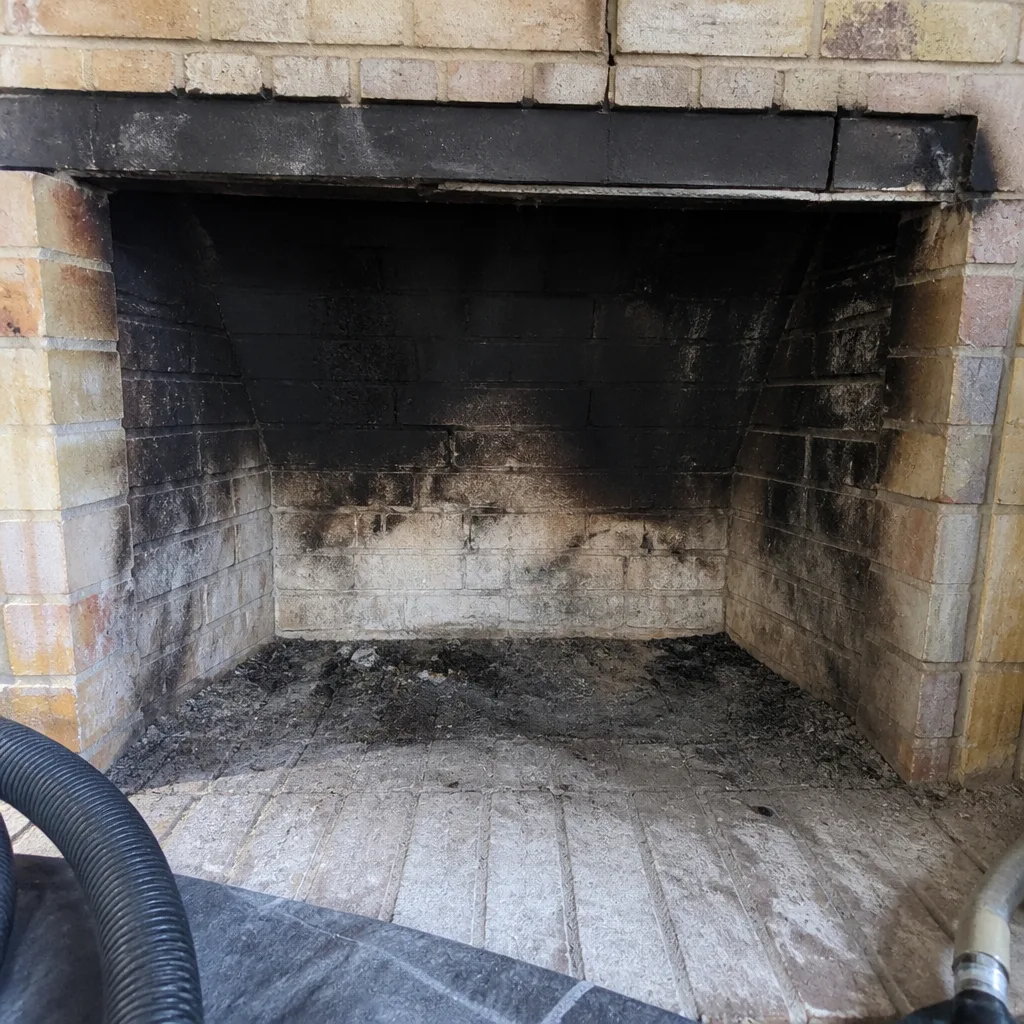 Before
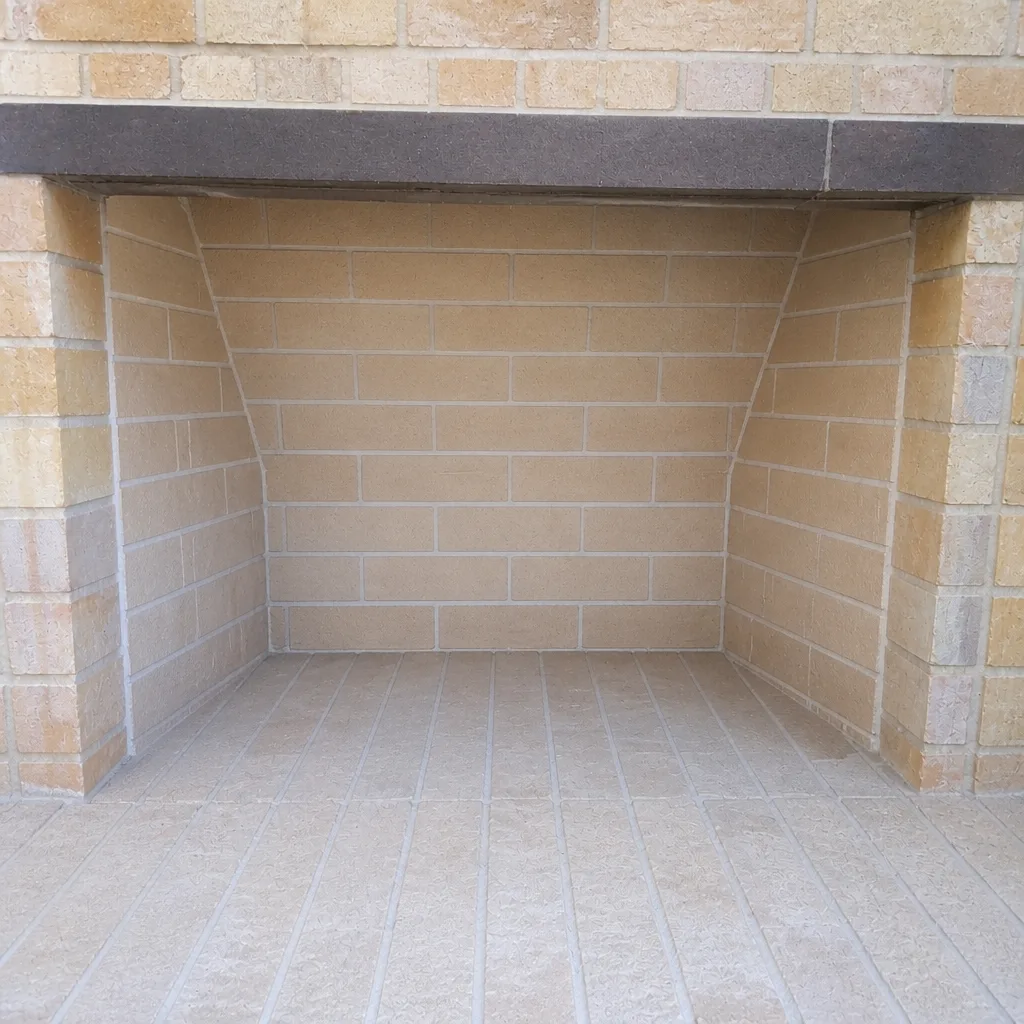 After