
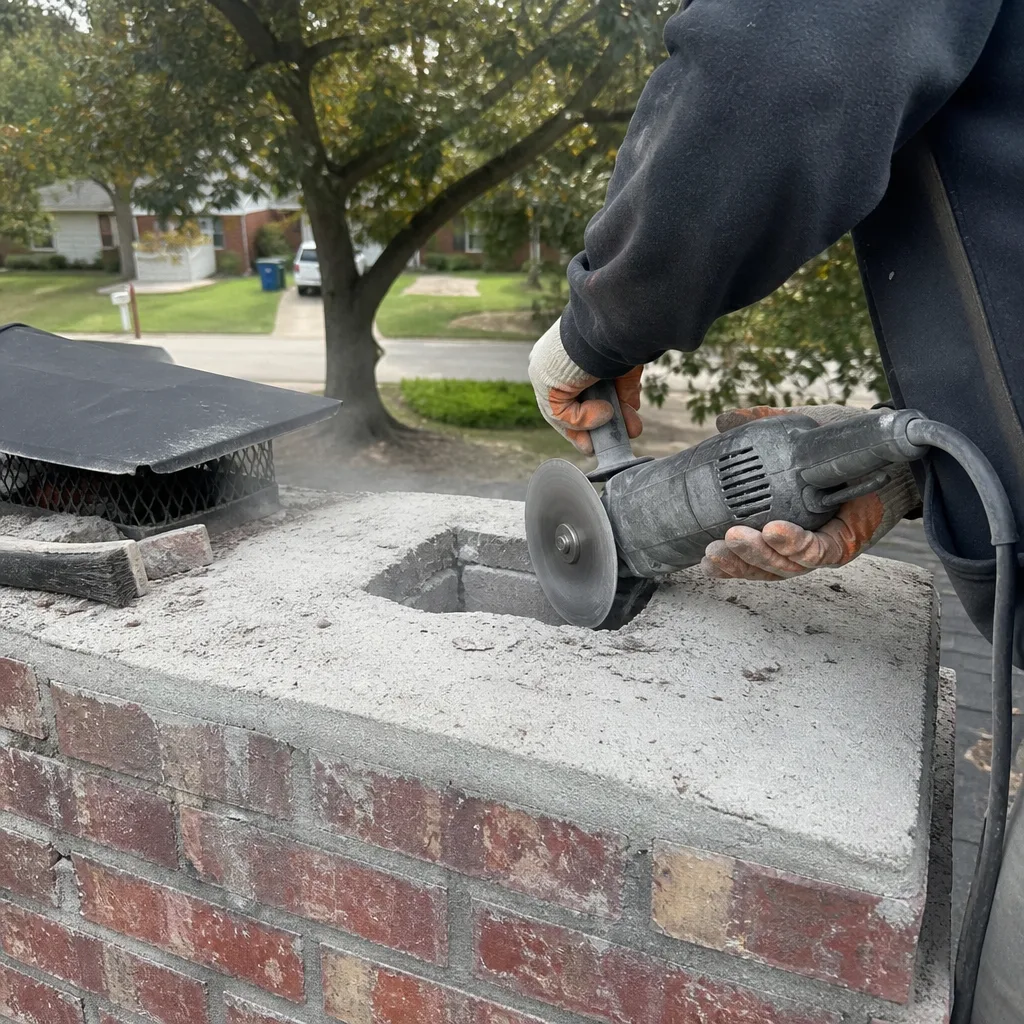
Last updated November 24, 2026
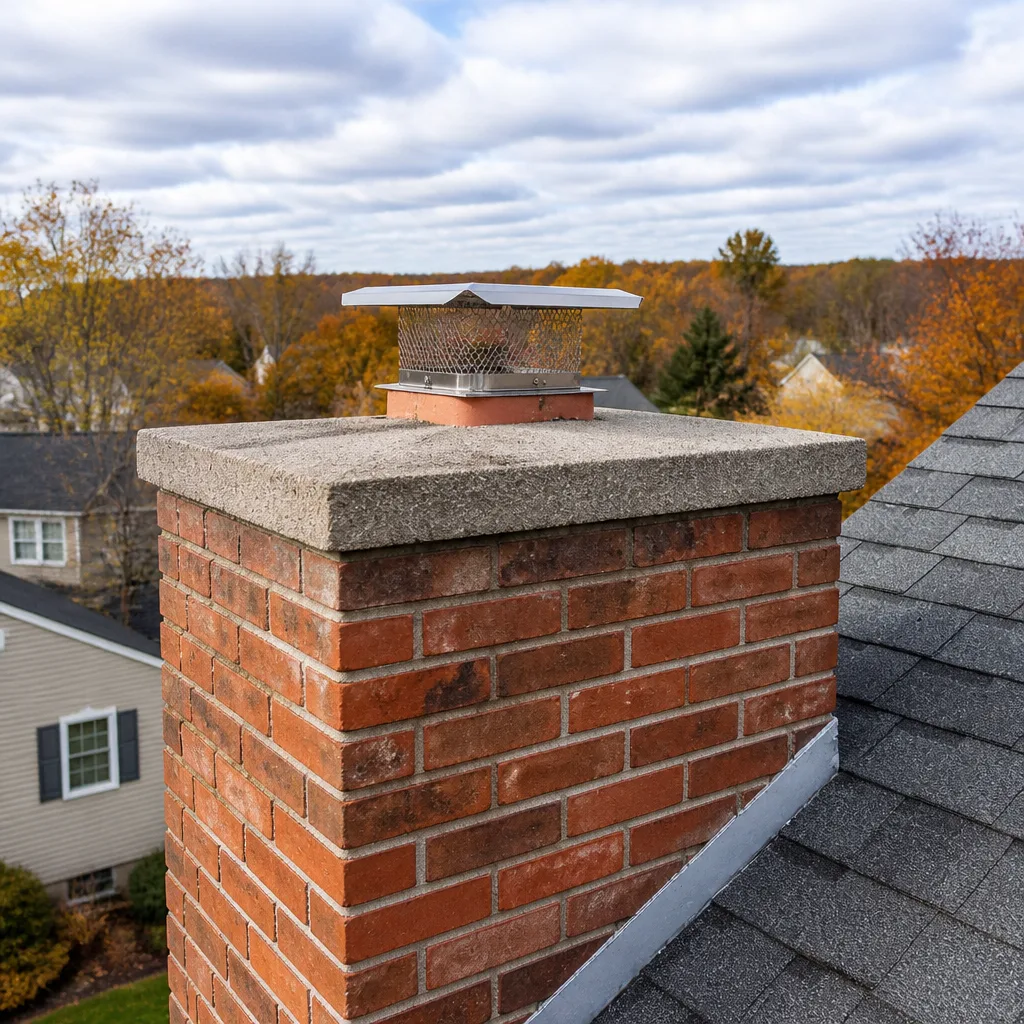 Sweep & inspection
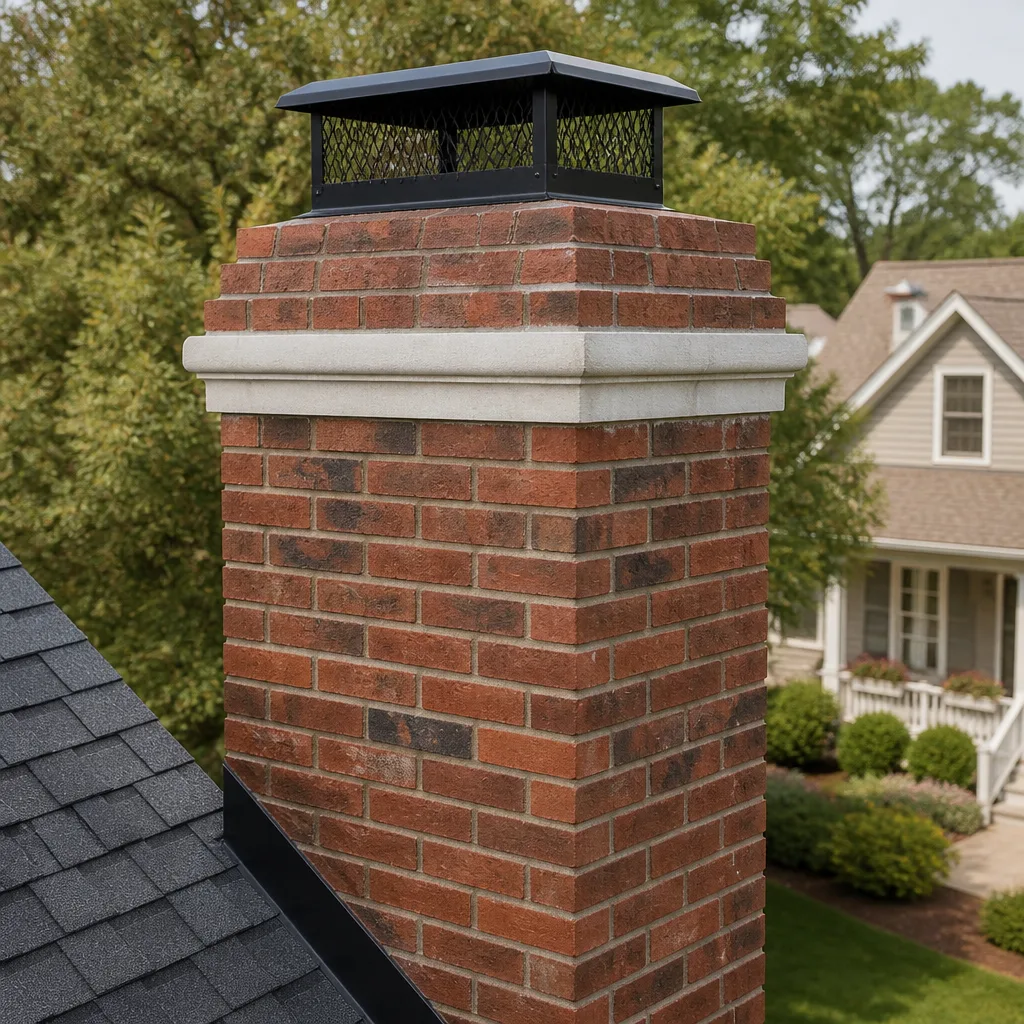 Caps & crowns
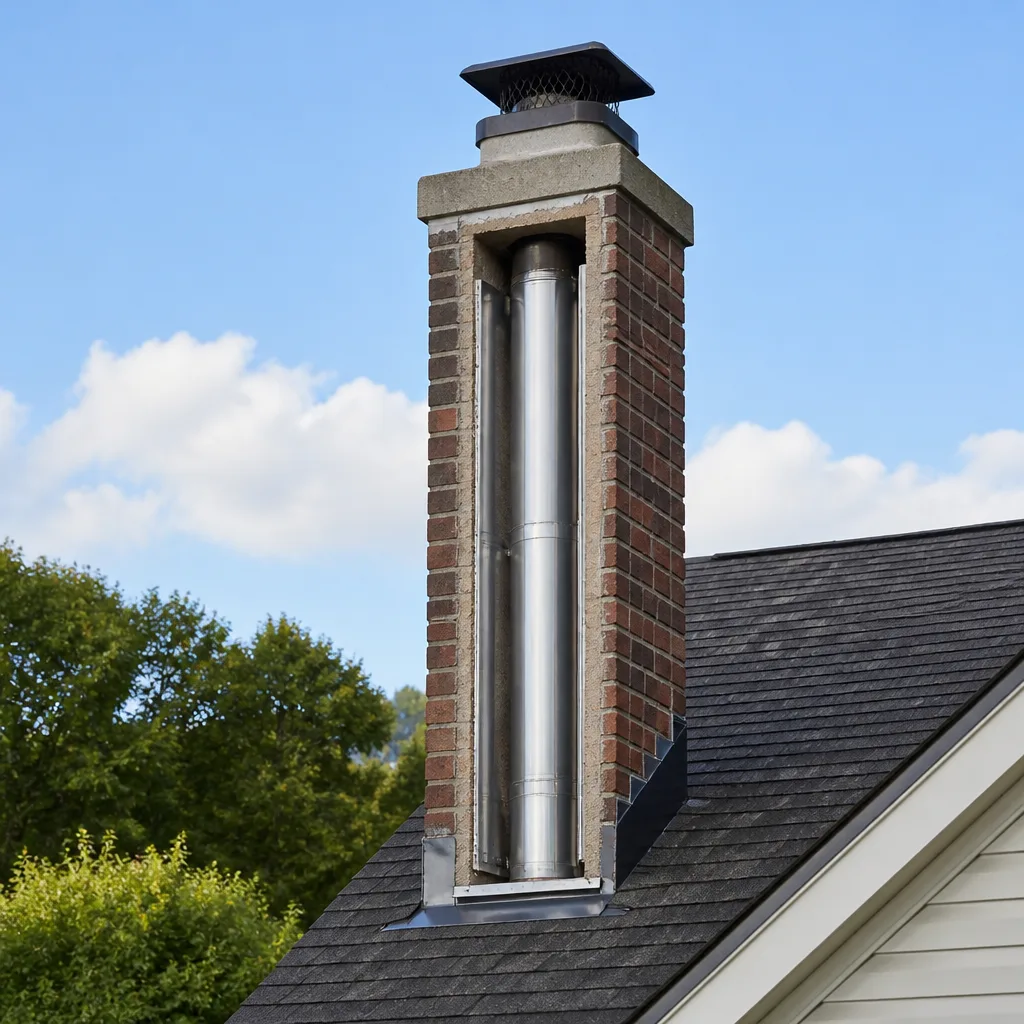 Flue relining
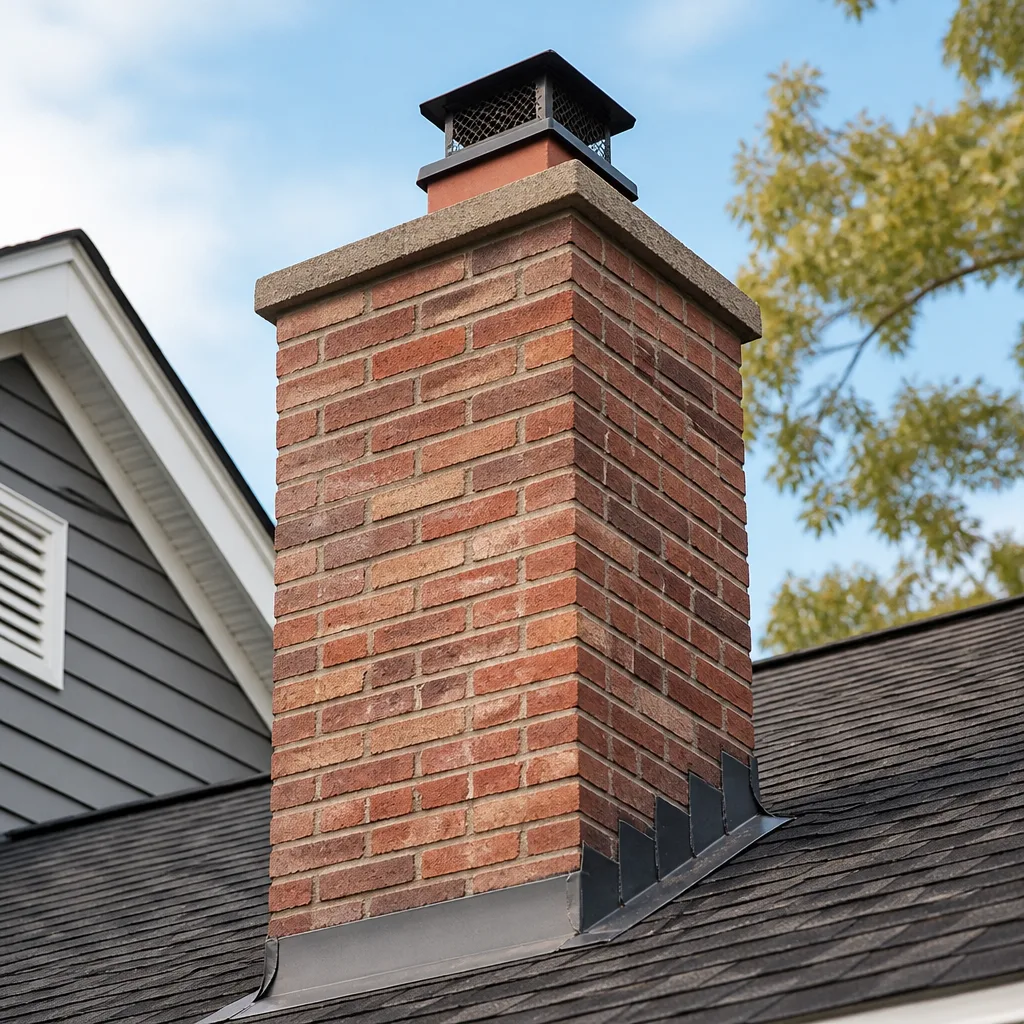 Masonry repair
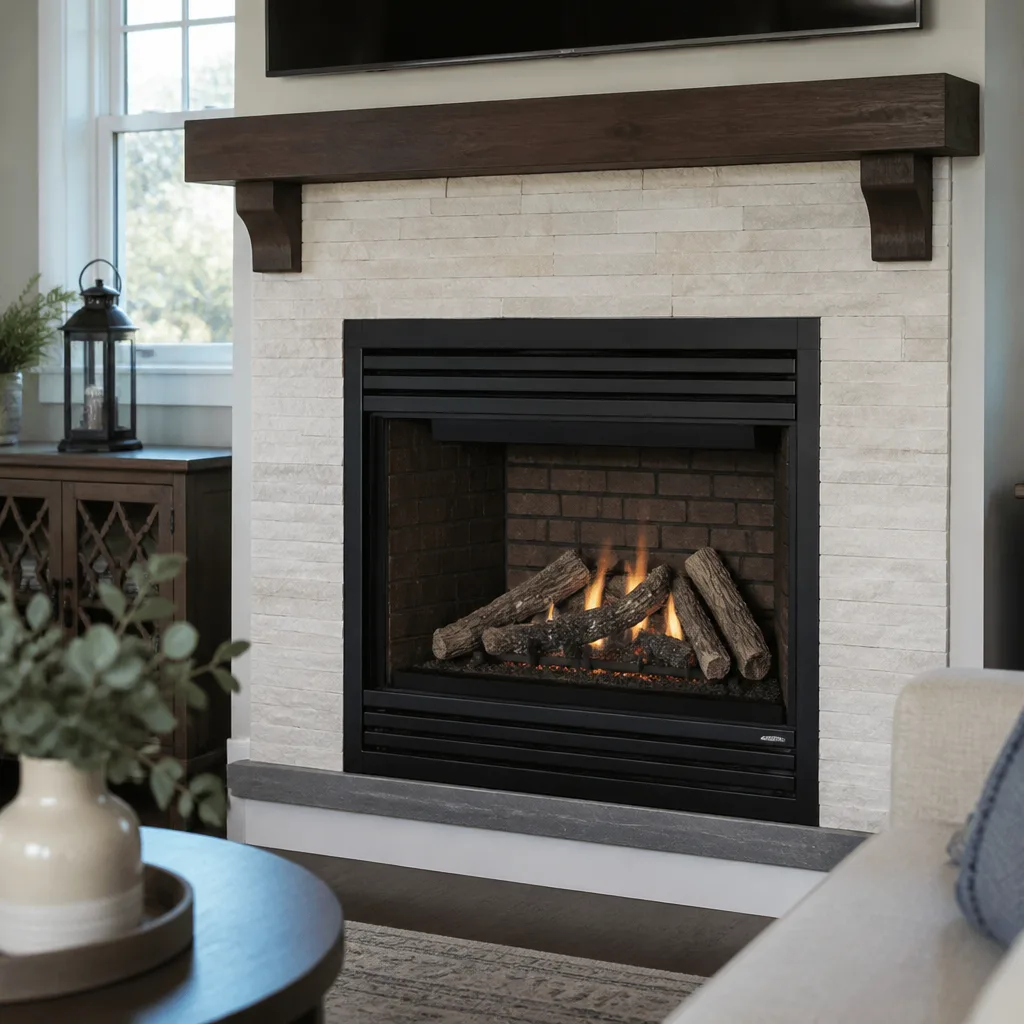 Gas fireplace service
Level 1 sweep and inspection to the NFPA 211 annual standard - flue, crown, cap, and flashing checked and photographed
Chimney sweep logs do not sweep chimneys. They loosen some creosote - which then falls where a brush and vacuum still have to collect it.
Chimney Cleaning Warning Signs: A Meyerland Homeowner’s Reference Guide
A strong smoke odor on a hot July afternoon with no fire burning isn’t a minor annoyance. It’s a draft reversal sign, and it often points to a collapsed flue tile or a serious blockage. It deserves a same-week inspection, not a note on a to-do list. Most warning-sign lists online treat every symptom the same way, which leaves you unsure whether to pick up the phone today or add it to next spring’s list. This guide sorts the signs into three urgency tiers so you know exactly when to stop using the fireplace, when to schedule within the month, and when to call the fire department. We’ll also cover the signs specific to Meyerland homes, including efflorescence after flooding, musty odor from humidity, and the way older liners behave differently from newer ones.
Quick Answer
Chimney warning signs in Meyerland fall into three tiers. Stop using the fireplace immediately if you smell smoke indoors during a fire, see creosote flakes falling into the firebox, notice a cracked or displaced flue tile, or have a damper that won’t open. Schedule a sweep and inspection within 30 days for soot stains on the firebox face, a musty odor when the fireplace is off, or rust on the cap. Note smaller signs, like a light creosote glaze or a worn damper gasket, for your next annual service. When in doubt, an inspection is the safe answer.
Styles & brands we work with
- Sweep & inspection
- Caps & crowns
- Flue relining
- Masonry repair
- Gas fireplace service
Table of Contents
- Tier One: Signs That Mean Stop Using It Today
- Tier Two: Signs That Mean Schedule Within 30 Days
- Tier Three: Signs to Note at Your Next Annual Service
- What “Smoke Smell in the House” Actually Diagnoses
- Meyerland-Specific Warning Signs Tied to Local Conditions
- Warning Signs You Can Spot From Ground Level
- Why Signs in Pre-1980 Meyerland Homes Are More Serious
- What an Annual Sweep and Inspection Actually Covers
Tier One: Signs That Mean Stop Using It Today
Some warning signs are not “schedule it soon” material. They mean the fireplace stays cold until a professional looks at it. We’ve found that homeowners often keep burning through these signs because the fire “seems to work fine.” That’s exactly the problem: a flue problem doesn’t announce itself before it becomes dangerous. If you see any of the signs below, put the fire out and don’t light another one.
- Smoke rolling into the room during a fire. A properly drafting chimney pulls smoke up and out. Smoke backing into the room means the flue is blocked, undersized, or the pressure balance has shifted. Don’t burn while that’s happening.
- Creosote flakes or soot falling into the firebox. This is a strong indicator of heavy creosote buildup in the flue. Creosote is the flammable residue that fuels chimney fires, and falling flakes mean there’s enough of it to be a real concern.
- A cracked, displaced, or missing flue tile visible from the top of the firebox. If you can see broken tile edges just above the damper, the flue is compromised. Heat and gases can reach framing or insulation when the flue is broken.
- A damper that won’t open, is stuck, or has rusted shut. A closed damper with a fire burning is a carbon monoxide risk. Stop burning and get it fixed.
- Visible soot or smoke staining on the wall above or beside the fireplace opening. This means smoke is escaping the firebox rather than going up the flue.
- Headaches, dizziness, or nausea that appear only when the fireplace is burning. These are possible carbon monoxide symptoms. Open a window, get everyone outside, and call your gas utility or emergency services if symptoms are serious.
For anything on this list, call Chimney Sweep Meyerland and describe exactly what you’re seeing. A chimney sweep will confirm the cause before any repair recommendation. Call (833) 696-2226. We answer 24/7, and fast dispatch runs from 7am to 7pm, Sunday through Friday.
Tier Two: Signs That Mean Schedule Within 30 Days
Tier two is the middle ground: the fireplace probably works, but something in the system has shifted in a way that will get worse. In our experience, these signs are the ones homeowners most often put off because there’s no obvious emergency. That’s understandable. But a musty odor today can be a moisture problem that eats into a liner by next winter.
- A damp or musty smell when the fireplace is off. This often signals moisture in the flue or creosote that’s absorbing humidity. In Meyerland’s humid air, an unsealed chimney can pull moisture all summer.
- Soot stains or a dark smudge on the fireplace surround or brick face. Gradual staining means the draft is working, but not cleanly. A sweep and a draft check will tell you why.
- Rust on the chimney cap or a cap that’s bent, missing, or loose. A failed cap lets rain and animals into the flue. It’s a routine fix, but leaving it exposes the liner to water damage month after month.
- White, powdery stains on exterior brick or mortar near the chimney crown. That’s efflorescence, and it means moisture is moving through the masonry. In Meyerland, where heavy rain and storm flooding are a reality, it deserves a close look.
- A fire that’s harder to start or smokes more than it used to. A gradual draft decline usually points to partial blockage or a partially collapsed flue tile.
- Animals or birds in the flue, or scratching noises from the chimney. Nests block the flue and create both fire and carbon monoxide risk.
Call (833) 696-2226 to book a sweep and inspection this month. If something needs work, you’ll see the evidence on camera before anyone recommends a repair.
Tier Three: Signs to Note at Your Next Annual Service
Tier three signs are worth writing down but don’t require action this week. These are the ones that fit naturally into your yearly sweep and inspection, which is the right cadence for any fireplace that sees regular winter use.
- Light creosote glaze on the firebox walls. Normal accumulation between sweeps. It becomes a tier-one issue when it thickens or flakes.
- A worn or slightly sticky damper gasket. A minor annoyance now, a draft problem later.
- A hairline crack in the firebox brick mortar. Worth flagging so the same crack can be watched across seasons. Hairline mortar cracks can widen.
- Slight paint fading on the firebox interior. Cosmetic until it isn’t. Note it, and ask about it during the sweep.
- A fireplace door that doesn’t close perfectly or a slightly loose handle. Small hardware issues you’ll want fixed at a service visit rather than a separate call.
- A faint smoke smell on very cold or very windy days. Not a tier-one draft reversal issue, but worth checking at the next inspection.
Any of these belong in a note on your phone. When you call to book your next sweep, read the list. It helps a technician trace what changed without having to start from zero.
What “Smoke Smell in the House” Actually Diagnoses
Smoke smell indoors is the single most misread warning sign in chimney work. It has four common causes, and each points to a different repair. Knowing which presentation matches your situation makes the call more useful and helps a technician bring the right parts.
- Draft reversal. Smoke comes back down the flue rather than up. The fire sizzles, the smoke rolls forward over the top of the firebox, and the smell fills the room. This often means negative pressure in the house (a bath fan, kitchen exhaust, or a tight newer home), an unheated flue in mild weather, or a flue that’s too short. In Meyerland’s mild winters, draft reversal is more common than people expect, because the flue doesn’t heat up enough to establish strong early draft.
- Blockage. Smoke comes down slowly and lingers rather than rolling. You’ll often smell it strongest the morning after a fire, and the fire may burn more sluggishly. Nests, leaves, or a collapsed flue tile cause this. A camera inspection confirms it.
- Back-puffing or pulsating. The fire seems to “breathe” – smoke puffs out, gets pulled back, then puffs again. This points to flue sizing or pressure issues more than debris, and it’s usually resolved by improving draft and sealing leaks.
- Leaking flue joints or a missing cap. No fire is burning, but the fireplace area smells smoky when the weather is damp or windy. This points to gaps in the flue or an unprotected top that’s letting outside air, moisture, or odor back down.
When you describe the smell, include the timing (during the fire, after the fire, when it’s off), the weather that day, and whether the fire seemed sluggish. Those three details narrow the cause quickly. For anything that fits blockage or continuous indoor smoke, call chimney sweep service directly. Call (833) 696-2226 for a free estimate.
Meyerland-Specific Warning Signs Tied to Local Conditions
Meyerland’s climate and housing stock create warning signs you won’t find on generic national guides. The area sits low and has seen severe hurricane-season flooding, and its humidity is high across most of the year. That combination leaves traceable marks on masonry and flues.
Efflorescence After Flooding
White, powdery bloom on exterior brick after a flood or season of heavy rain is a classic sign that moisture has worked into the chimney’s masonry. It’s not always a red flag on its own, but if you see repeated blooms or the paint on the chimney brick starts spalling, the chimney needs an inspection. A cap and crown that are failing at the top are common contributors, and they’re a routine fix.
Persistent Musty Odor from Humidity-Driven Creosote Off-Gassing
Meyerland’s humid air reactivates creosote. When a flue is heavily sooted and then sits through a summer, the creosote releases odors that smell damp and smoky even when the fireplace is cold. Homeowners often describe it as “musty smoke.” It’s a real warning sign: it means a sweep is overdue, and if the glaze is thick, it means a professional needs to look at the liner.
Damper Corrosion in Humid Air
Dampers rust. In Meyerland’s humidity, a damper that’s been sitting untouched through several summers can seize open, seize shut, or develop pits in the steel. A stuck damper is a common cause of smoke smell and should be inspected and repaired before the next heating season.
Crown and Cap Trouble After Storms
Wind-driven rain from Gulf storms pries at loose crowns and caps, and a compromised cap diverts water straight into the flue. When we recommend cap and crown work in Meyerland, we’re often installing Famco and Copperfield caps chosen for fit and airflow rather than the cheapest bolt-on available.
For a close look at your chimney after a rough season, book through our chimney cap & crown service. Call (833) 696-2226 for a free estimate.
Warning Signs You Can Spot From Ground Level
You don’t need a ladder to check a chimney, and you shouldn’t get on the roof. Here are the visual signs a homeowner can see from the yard, in order of how concerning they are.
- Crown cracks. The concrete cap at the very top of the chimney should be one continuous, gently sloped surface. Visible cracks or chunks breaking off mean water is getting into the masonry below.
- Rusted, bent, or missing cap. The spark arrestor at the top should sit square and be intact. Rust streaks down the exterior are a rung-in-advance warning of water in the flue.
- Spalled brick at the crown line. When brick faces peel or flake right under the crown, moisture is trapped in that zone. Fixing the crown usually stops the spalling from spreading.
- Dark staining on the upper chimney. A smoky streak that runs down from the crown often points to a smoking flue or a cap that’s failed.
- Loose chimney flashing where the roof meets the chimney. Visible gaps or pulled-up metal allow water into the attic and the chimney chase.
- Tilted or leaning chimney stack. This one is serious. Don’t wait. Stop using the fireplace and call for an inspection.
If what you see from ground level fits anything in the top three, schedule a chimney inspection – a standalone visit that looks at the whole system. Call (833) 696-2226. We answer 24/7. Fast dispatch from 7am to 7pm, Sunday through Friday.
Why Signs in Pre-1980 Meyerland Homes Are More Serious
Meyerland has a lot of mid-century housing stock. The same warning sign that’s a routine repair in a newer home can be an urgent one in a home built before 1980. The reason is simple: older homes were often built with masonry flues that had no liner at all, or with clay-tile liners that have since cracked, come loose, or been penetrated by moisture.
In newer construction, you’re usually working with a stainless steel liner, which tolerates flue gas, creosote, and moisture with far fewer worries. In older Meyerland homes, the flue is part of the structure. Once a clay liner cracks, heat and gases reach the surrounding brick or framing, and that’s when a chimney fire becomes a house fire.
- Cracked tile in an older liner is a stop-burning sign. In a new liner the same visible crack is a repair item. The severity depends on what’s behind the tile.
- Missing liner is common in older homes. You can’t tell by looking whether the flue has a liner. That’s a job for a camera.
- Moisture damage in unlined and tile-lined masonry. Brick that’s been wet for years holds that moisture against the flue. Signs like efflorescence and spalling carry more weight here.
- Damper hardware is older and rustier. Parts may need to be replaced rather than repaired.
When the flue needs work, we install DuraFlex stainless liners sized to the appliance, or use HeatShield, a proprietary resurfacing system for liners that can be restored without full replacement. That’s a real option generalists can’t offer, and it’s often the right answer for a mid-century Meyerland chimney.
What an Annual Sweep and Inspection Actually Covers
A sweep cleans the flue. An inspection tells you it’s safe. In a proper annual visit, both happen together, so the same person cleaning the flue also looks at the whole system. Here’s the order we work in.
- Exterior look-over. Cap, crown, flashing, brick, and the chimney’s overall condition from the roof edge.
- Firebox and damper check. Brick condition, damper operation, and door hardware on fireplace inserts.
- Creosote evaluation. How much has built up and in what form. From thin soot to thick glaze, the stage determines whether a standard sweep is enough.
- Sweep. Brushes sized to your flue’s dimensions, with drop cloths and a sealed workspace to keep soot out of the room.
- Camera inspection of the flue. A look for cracks, tile separation, missing liner sections, and blockage.
- A written report with photos. You see what the technician sees. No recommendations without evidence, and any part of the work that can wait until a later visit is called out clearly so you can decide.
We work with Famco, Copperfield, DuraFlex, and HeatShield because those are the products that hold up in a full-system repair schedule. For the fireplace itself – firebox masonry, doors, damper hardware, and screen repairs – see fireplace repair for the detail on what we handle. Call (833) 696-2226 for a free estimate.
Common Mistakes to Avoid
- Burning through a smoke smell. If smoke is rolling into the room, don’t “just try one more fire to see if it clears.” Smoke coming indoors during a fire is a tier-one warning sign. Stop and call.
- Assuming a yearly sweep is the same as an inspection. A sweep cleans. An inspection checks the structure. Ask for both, or you’re cleaning a flue you haven’t actually looked at.
- Replacing the cap with a hardware-store bolt-on. In Meyerland’s storms, a poorly fitted cap can fail in a season. The cap needs to fit the flue and allow the right draft.
- Ignoring musty odors in summer. A damp smell in July isn’t “just humidity.” It’s often creosote off-gassing, and it means the flue is overdue.
- Trusting a general handyman to diagnose a flue. A handyman can clean a firebox. Reading a cracked liner, sizing a stainless replacement, or applying HeatShield takes a chimney specialist.
- Putting off crown work after efflorescence. Repeated white staining on the brick means moisture is getting in. Each wet season makes the masonry harder to save.
- Only checking the fireplace when you want to use it. The cheapest time to schedule is well before the first fire of the season, not the week the smell starts.
See the difference
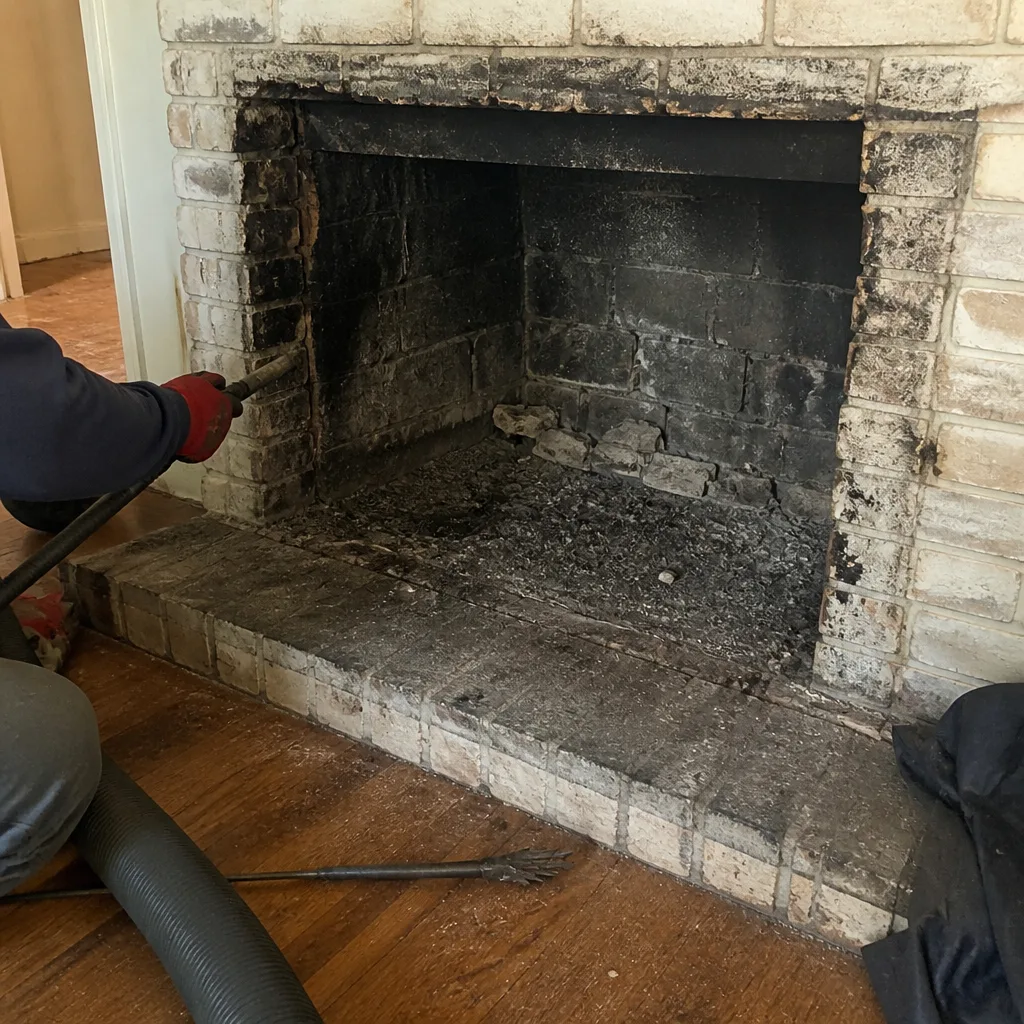 Before
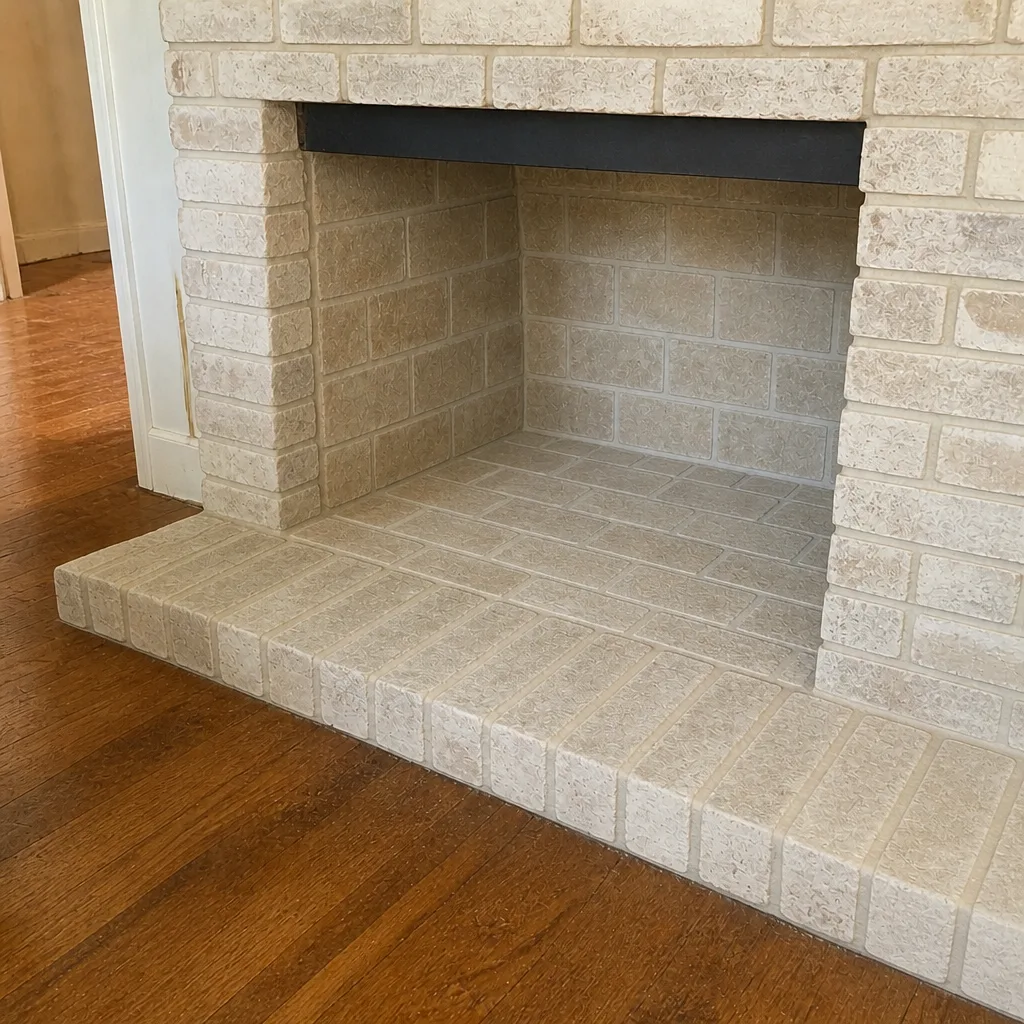 After
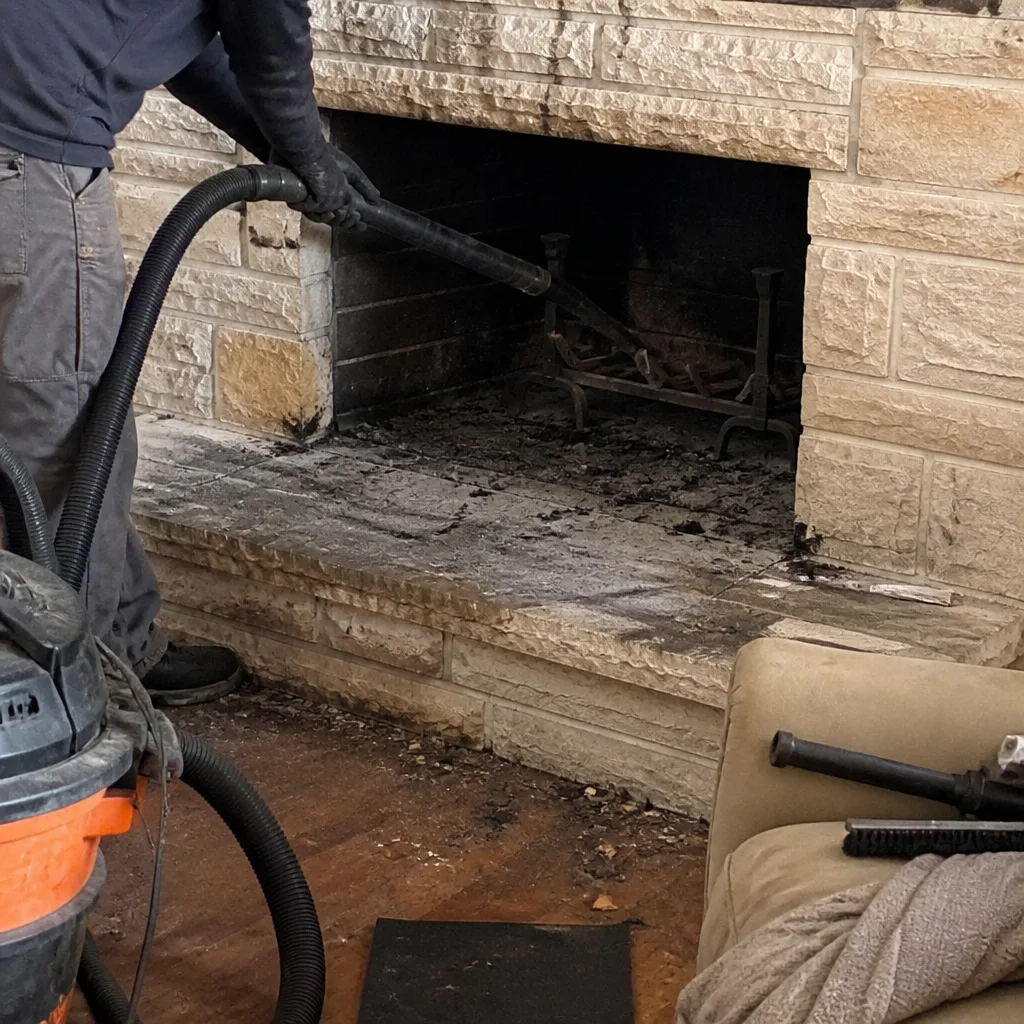 Before
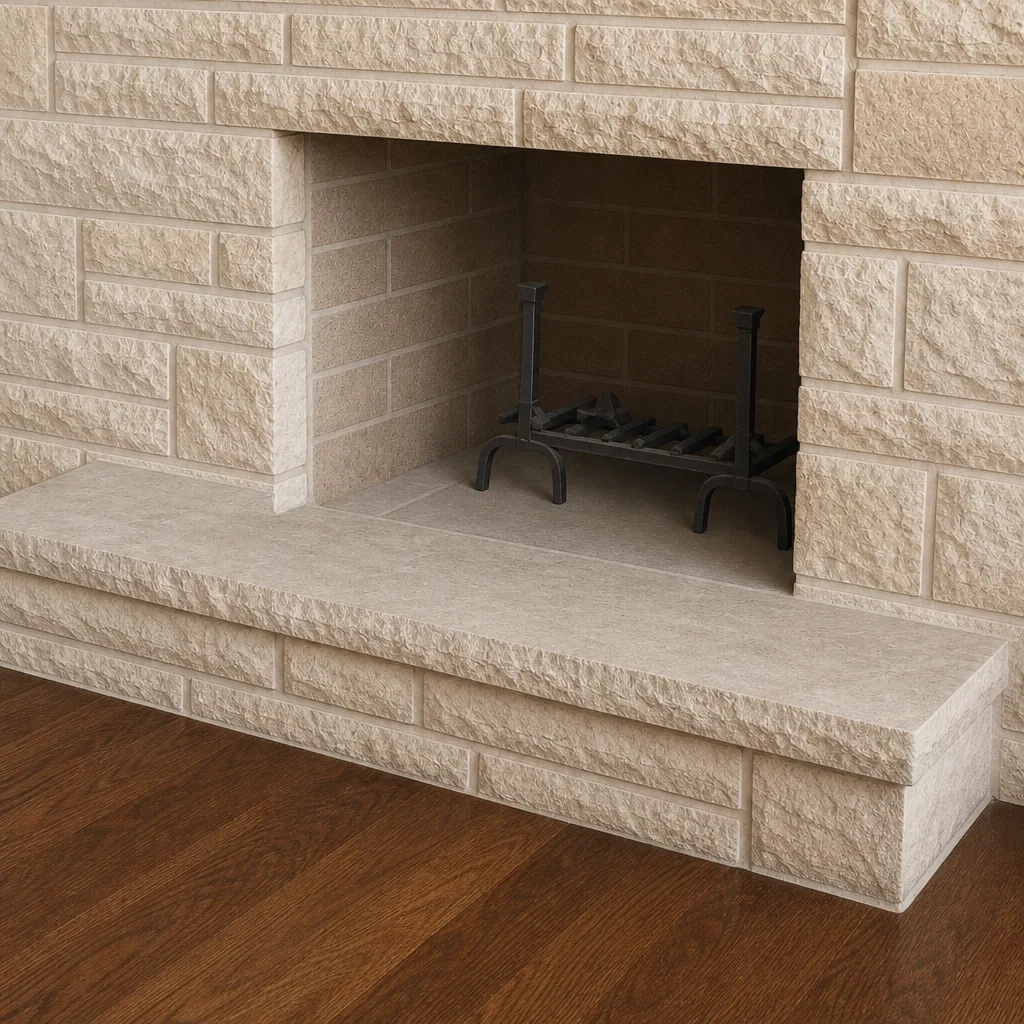 After
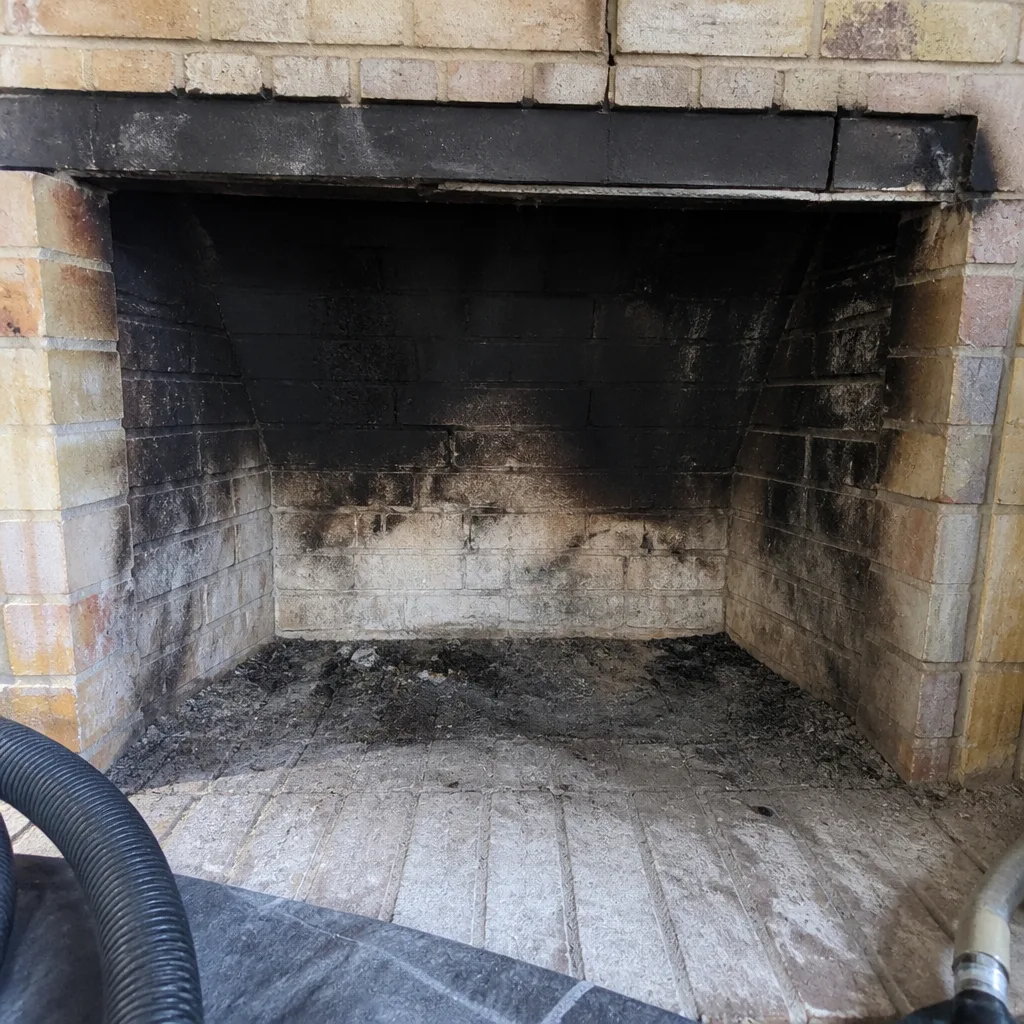 Before
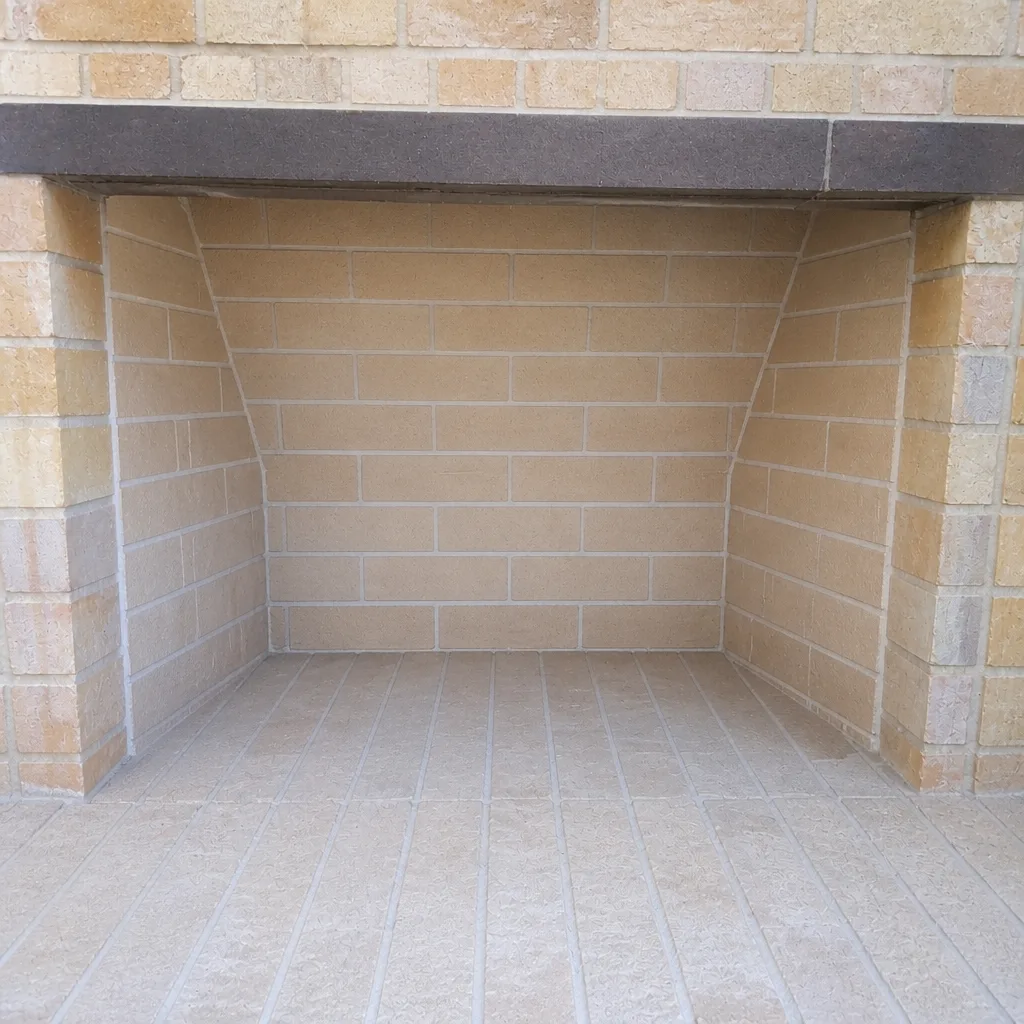 After
When to Call a Professional
Call right away if smoke backs into the room during a fire, if you smell gas near the fireplace, if creosote is falling into the firebox, or if you see a cracked or displaced flue tile. Call within 30 days for a musty odor, rust on the cap, soot staining, or a draft that’s become harder to start. For annual upkeep, schedule a sweep and inspection before the heating season. And if you’re buying or selling a Meyerland home and haven’t seen a chimney report, get an inspection before closing. Chimney Sweep Meyerland offers free estimates in Meyerland – call (833) 696-2226. We answer 24/7. Fast dispatch from 7am to 7pm, Sunday through Friday.
Frequently Asked Questions
The first signs are a musty or smoky smell when the fireplace is cold, a fire that’s harder to start, and soot or creosote flakes in the firebox. Smoke backing into the room is a stop-using-it warning. Call (833) 696-2226 for an exact quote – estimates are free.
A hot-day smoke smell usually means draft reversal: the cool flue is pulling air down into the house, often because the flue is cool while the outdoor air is hot. It can also point to heavy creosote that absorbs humidity. Either way, it’s worth a same-week inspection. Call (833) 696-2226 for an exact quote – estimates are free.
White efflorescence on Meyerland chimney brick often means moisture is moving through the masonry, especially after a flood or a stormy season. It’s not always serious by itself, but repeated blooms or spalling brick mean the crown, cap, or flashing needs a close look. For the exact work involved, see our chimney cap and crown service page. Call (833) 696-2226 for an exact quote – estimates are free.
Yes. A cracked flue tile means heat and flue gases can reach the surrounding structure, especially in older Meyerland homes that may have an unlined or badly damaged liner. Stop using the fireplace and get an inspection. Call (833) 696-2226 for an exact quote – estimates are free.
You can’t tell by looking in the firebox. A camera inspection of the flue is the only way to see liner condition. If there’s no liner or the tile is failing, a stainless liner or HeatShield resurfacing is often the right fix. Call (833) 696-2226 for an exact quote – estimates are free.
No. Cap cleaning means going on the roof, and cap repair usually needs a proper fit and seal. Roof work is a job for a trained chimney technician. Call (833) 696-2226 for an exact quote – estimates are free.
The Bottom Line
Not every warning sign is an emergency, but the differences matter. Smoke indoors, falling creosote, and a cracked flue tile belong in tier one: stop using the fireplace and call. Musty odor, rusted caps, and efflorescence belong in tier two: schedule a sweep and inspection within 30 days. Everything else goes on the annual list. In Meyerland, older housing stock and humid air make some signs more serious than they would be elsewhere, so when something feels off, get the flue looked at. Our technicians have up to 9 years of experience with full-system chimney work.
Ready to get a real answer about your chimney? Call (833) 696-2226 for a free estimate. We answer 24/7, and fast dispatch runs from 7am to 7pm, Sunday through Friday. Every recommendation comes with camera inspection evidence and a photo report, so you see what we see before deciding on any repair.
Written by the team at Chimney Sweep Meyerland.