
Last updated November 24, 2026
 Sweep & inspection
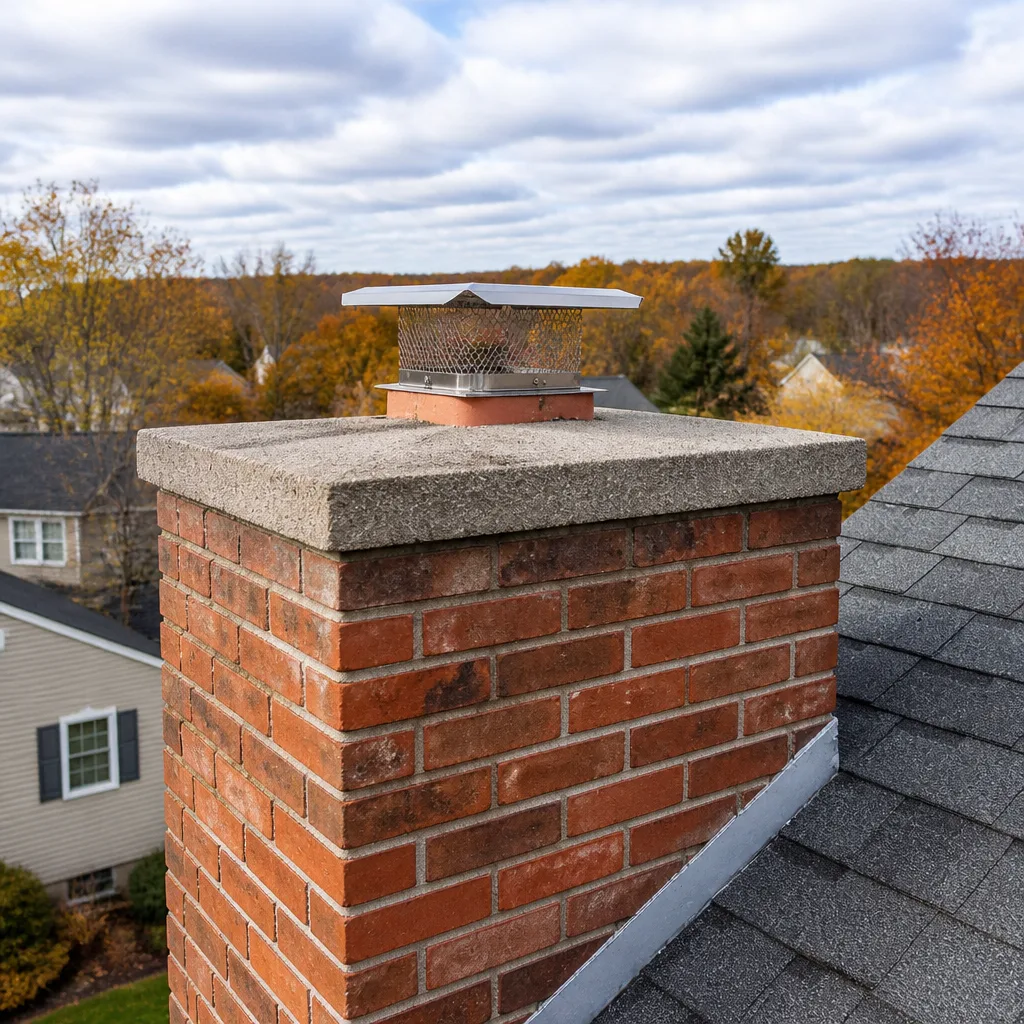
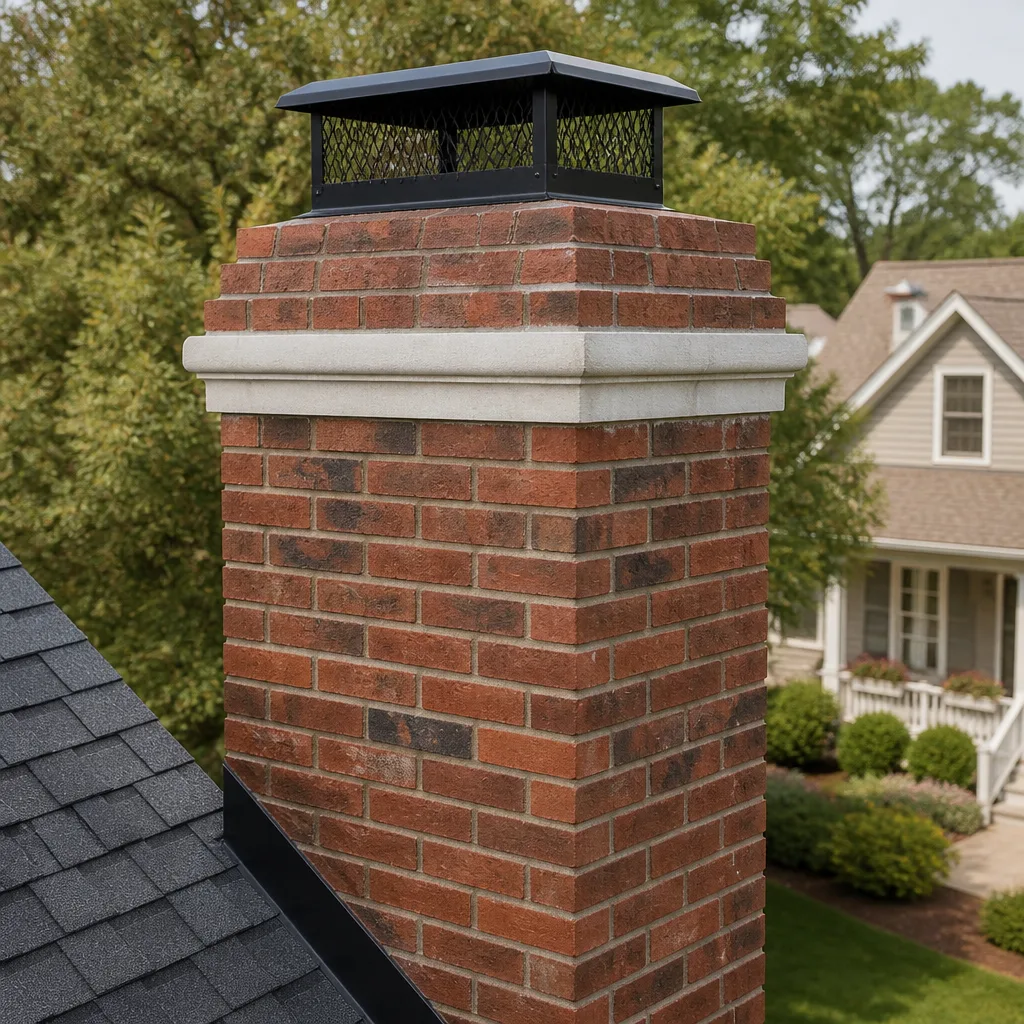 Caps & crowns
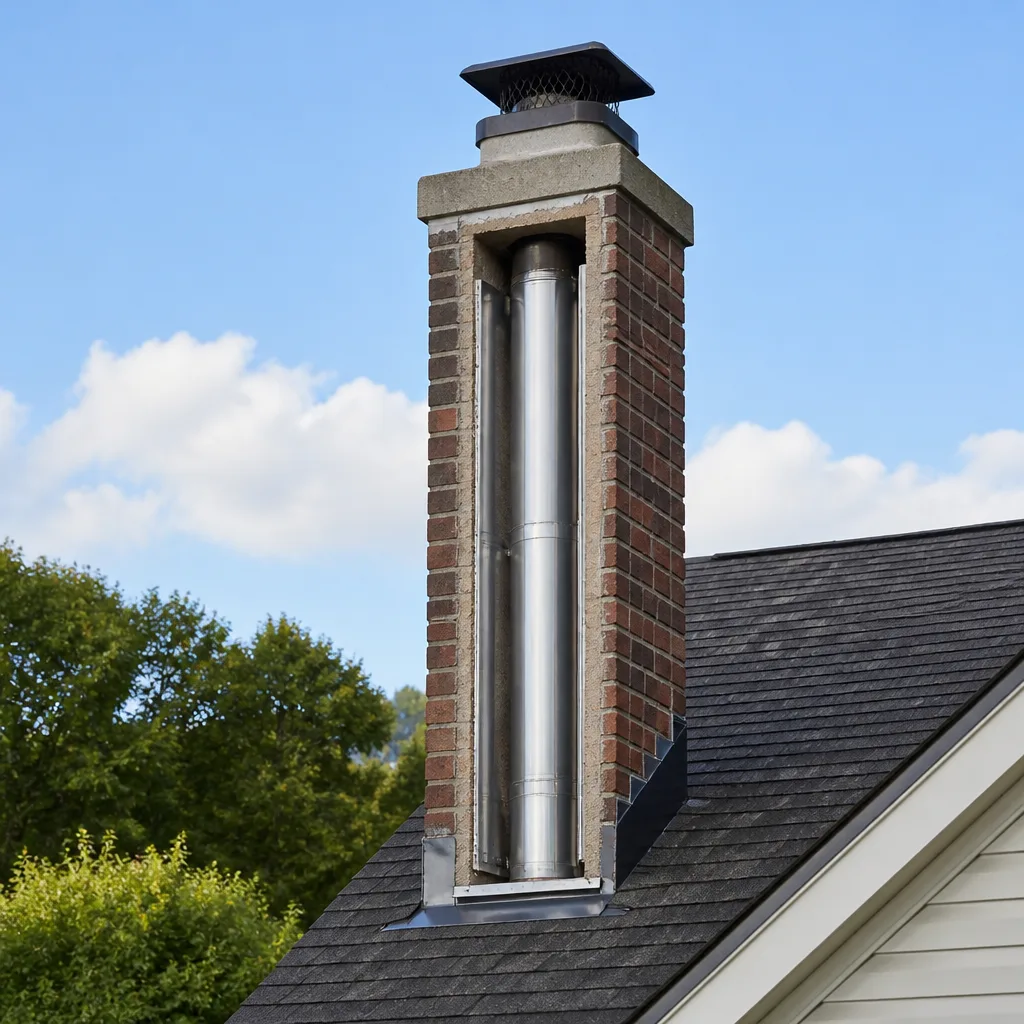 Flue relining
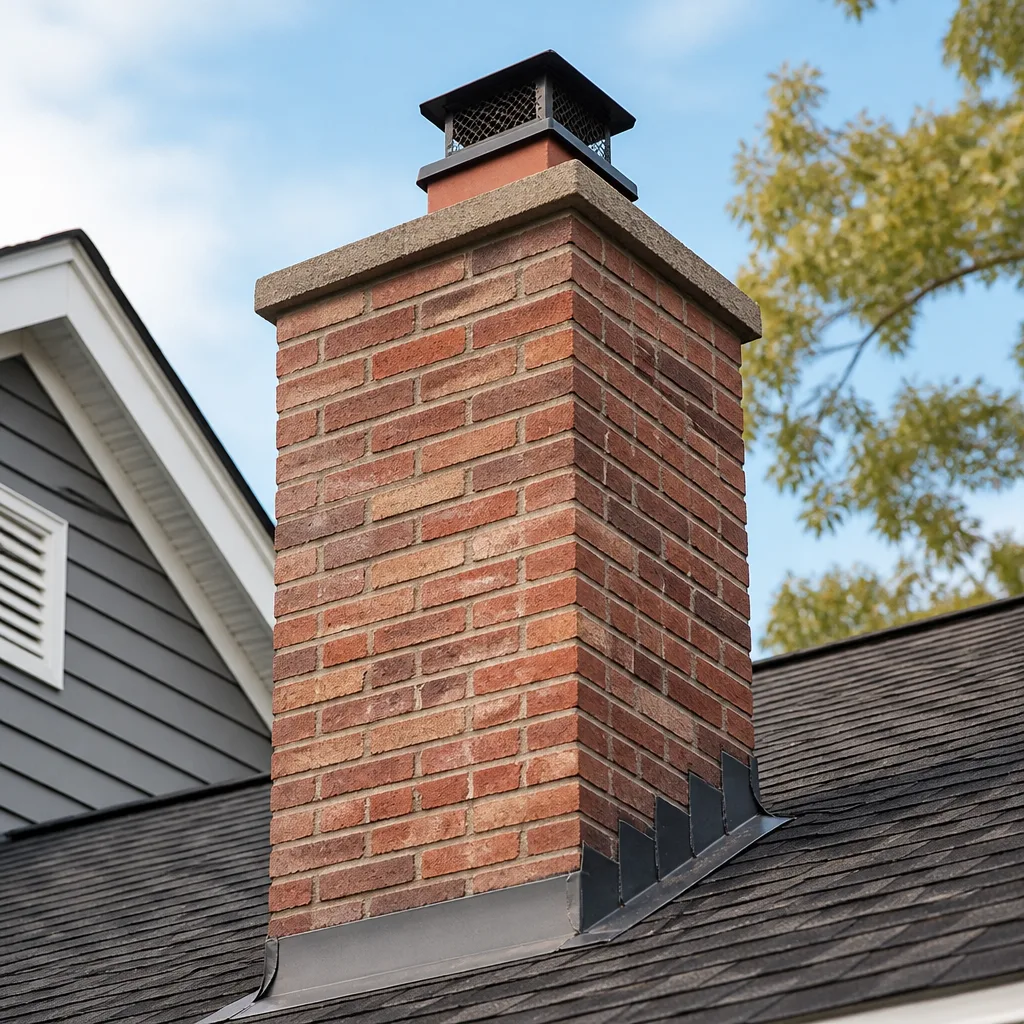 Masonry repair
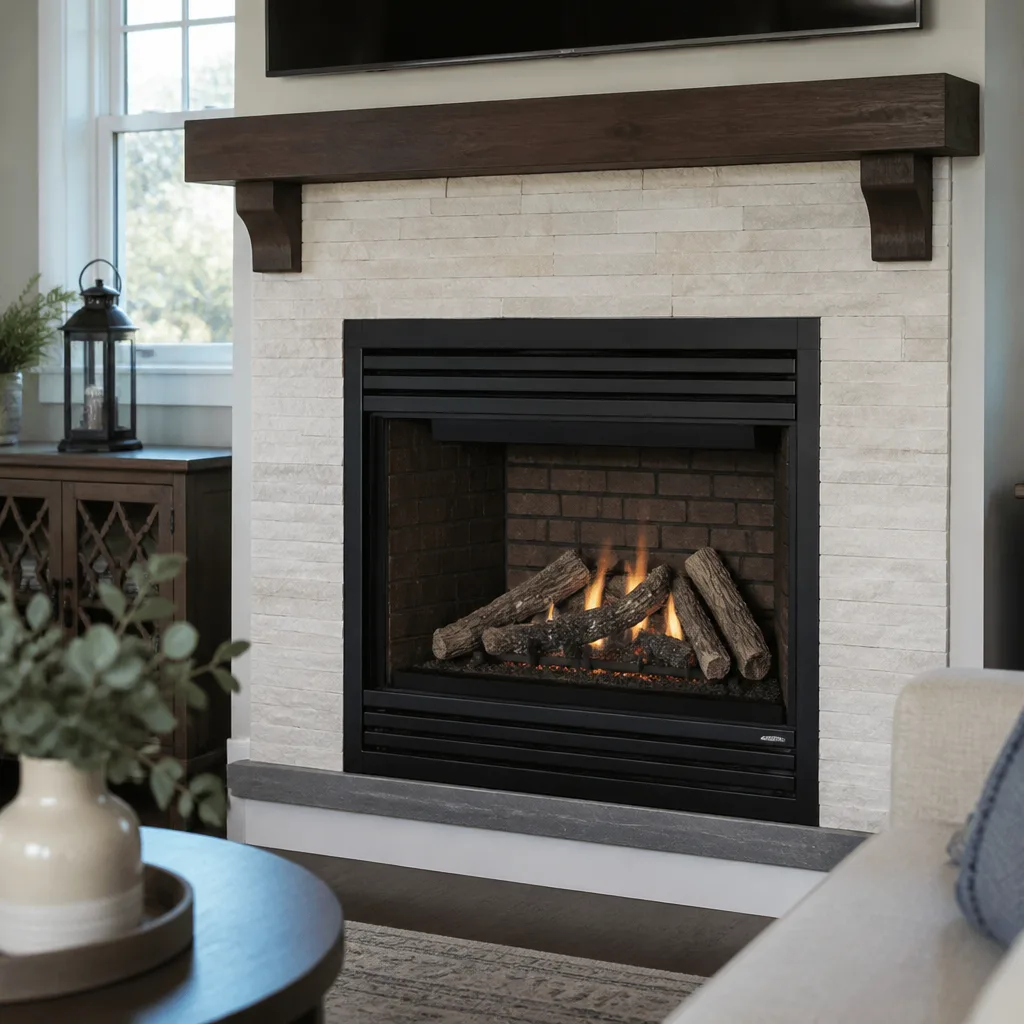 Gas fireplace service
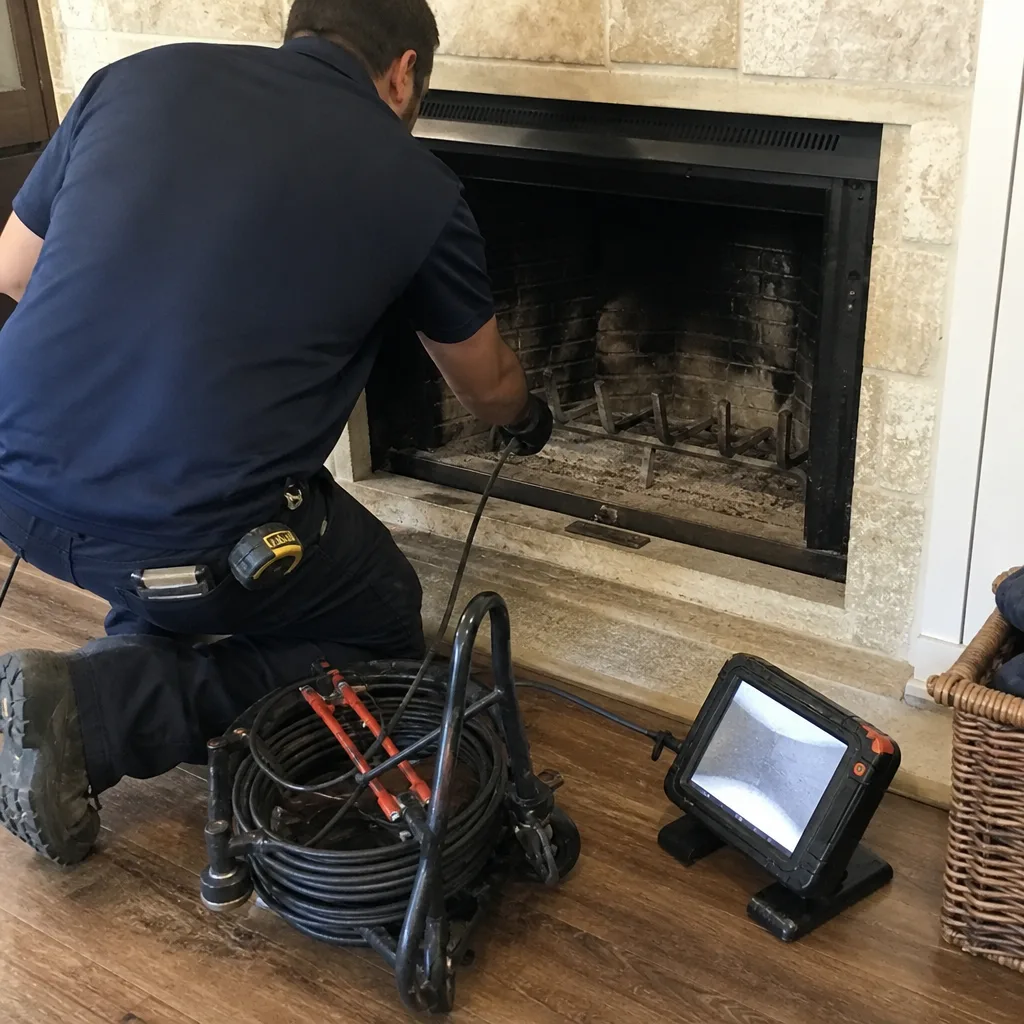
Level 1 sweep and inspection to the NFPA 211 annual standard - flue, crown, cap, and flashing checked and photographed
Chimney sweep logs do not sweep chimneys. They loosen some creosote - which then falls where a brush and vacuum still have to collect it.
Chimney Sweep Maintenance Checklist for Meyerland Homeowners
Most chimney advice you’ll find online was written for a house in Minnesota that burns wood from October to April. Meyerland doesn’t work that way. Here, the fireplace runs sporadically and briefly, from November to February, on the handful of nights when a front actually pushes through. That short burning season changes the whole maintenance picture. The risk isn’t heavy creosote buildup as much as it is a chimney sitting idle for nine humid months, collecting tenants, absorbing moisture, and quietly losing the mortar that holds it together. This guide is organized around what to check, when to check it, and what trouble actually looks like in a Houston-area home.
Quick Answer
For a Meyerland home, chimney maintenance follows a three-part annual rhythm: a pre-season check before the first cold front (animal nests, cracked mortar, a sticking damper), a mid-season look at how the fire actually behaves, and a post-season inspection of the cap and crown before spring storms. A professional sweep and camera inspection belongs in the pre-season slot, and you should already know the age of your clay liner, cap, and crown.
Styles & brands we work with
- Sweep & inspection
- Caps & crowns
- Flue relining
- Masonry repair
- Gas fireplace service
Table of Contents
- Why Meyerland Chimneys Age Differently
- Pre-Season Checklist: Before the First Cold Front
- Mid-Season: Reading Your Fire for Warning Signs
- Post-Season: Protecting the Cap and Crown Through Spring
- What You Can Check Safely vs. What Needs a Camera
- Component Lifespans for Meyerland Chimneys
- Your 12-Month Maintenance Calendar
- The Best Month to Book a Sweep in Meyerland
Why Meyerland Chimneys Age Differently
The chimney on a Meyerland house spends most of the year doing nothing, and that is precisely the problem. In a colder climate, a chimney is heated and dried by regular use. Here, the masonry stays damp, the firebox sits sealed, and the cap and crown take the full force of Gulf Coast humidity and the spring storm systems that roll through Meyerland and neighboring areas every year. The failure modes are different. Less creosote glazing, more mortar crumbling. Less cracked flue tile from overheating, more rust and animal intrusion.
Housing stock matters too. Many Meyerland homes date to the post-war decades, when brick chase construction and clay-tile flues were standard, and a lot of those chimneys have never been rebuilt. Homes that flooded or sat empty for months have another layer of trouble: water in the firebox, rusted dampers, and masonry that never fully dried. Newer construction uses factory-built prefab fireplaces with thinner components and a shorter service life.
That distinction drives everything else here. A checklist copied from a national site will tell you to measure creosote depth after a full winter of burning. For a Meyerland homeowner, checking whether a bird has built a nest in the flue and whether the crown has a hairline crack after the last storm is the more urgent job.
We work on chimney systems across Meyerland every season, and the same failures repeat predictable patterns. That’s why we built this guide around the local calendar rather than the calendar most homeowners inherit from a generic search result.
Pre-Season Checklist: Before the First Cold Front
Your pre-season window in Meyerland falls in October and into early November, ahead of that first real front. The goal is simple: make sure the chimney is clear, dry, and structurally sound before you light a fire. Working through these checks in order catches most problems before they become a repair.
- Look inside the firebox. Check that the damper opens and closes fully. A damper that sticks, scrapes, or won’t seat flush is a common Meyerland problem because humidity swells and rusts the metal over the off-season.
- Shine a flashlight up the flue. What you’re looking for is light and clear space, not darkness and obstruction. Anything that looks like a nest, a twig, or a bird is a call for a professional, not a poke with a broom handle.
- Check the smoke chamber and firebox walls. Look for cracked masonry, loose brick, or flaking mortar inside the firebox. Small hairline cracks in the firebox are normal; missing chunks are not.
- Get up to ground level and check the cap. A galvanized or stainless cap should sit square and intact. Missing screens, bent crowns, and rusted-through tops let water and animals in, which you can usually confirm with binoculars from the yard.
- Look for moisture signs indoors. Rust stains around the firebox, whitish powder (efflorescence) on exterior brick, or a damp smell near the hearth all point to water getting in from above.
- Schedule a professional sweep and inspection. If the chimney hasn’t been swept in a full year of use, or you’ve never once looked inside it, this is the time.
Do this before the first cold snap, not the week of it, because the phones light up in Meyerland when the weather turns and everyone notices their chimney at once. Early October is calm. The first cold Friday in November is not.
Mid-Season: Reading Your Fire for Warning Signs
You probably fire the chimney a handful of times through December and January, more if the winter is cold. The mid-season indicators matter because they tell you whether you need a sweep before the season ends, not after. A fire that behaves badly is telling you something. Learn to read the three main signals.
Smell. A sharp, acrid smell in the room when a fire is drafting, or a lingering smoky odor after the fire goes out, means the chimney isn’t pulling air correctly. It could be a partial blockage, a damper that isn’t open fully, or a firebox that’s leaking smoke into the room. Don’t keep burning through a smell like that.
Draft behavior. A healthy fire ignites quickly, burns with visible flame, and sends smoke up the chimney. If smoke curls back into the room when you first light the fire, if the fire is sluggish to catch, or if you need to crack a window to make it work, the draft is weak. Common causes include a cold flue on the first fire of the season (which warms up), and a real blockage or damage (which doesn’t).
Smoke rollout. Some smoke creeping into the room on a cold light is normal. Smoke that spills steadily out of the firebox opening, especially on an established fire, is a red flag. Stop burning and get the chimney checked.
Mid-season is also when animal activity picks up. Squirrels and birds find a Meyerland chimney welcoming all year, and once a fire starts, an obstruction becomes a carbon monoxide risk. If you haven’t had the flue inspected since last year and something feels off, don’t wait until spring.
If you’re noticing these signals, a professional chimney sweep with a camera can identify the cause quickly. A sweep tells you it’s clean. An inspection tells you it’s safe, and those are different tests.
Post-Season: Protecting the Cap and Crown Through Spring
The post-season work in Meyerland is really about protecting the chimney when it’s not in use, because the single biggest threat to a chimney here is water intrusion over the off-season. Spring storm systems in the Houston area do real damage to roofs, and a cap or crown that survives winter is not necessarily going to survive March and April. Get up on the roof (or have someone who does) and check these after the last fire of the season.
- Cap integrity. A chimney cap is the first line of defense against rain, animals, and debris. Check for a bent or missing top, torn screens, and rust on the fastening points. A rusted cap that’s lost its screen is an open door for birds.
- Crown condition The crown is the concrete or masonry surface at the top of the chimney that sheds water away from the flue. See a crack, a crumbling edge, or a surface that’s no longer shedding? That’s a crown repair before the rainy season does more damage.
- Flashing and the chase cover on prefab units. Metal flashing around the chimney base should be sealed and tight. On factory-built fireplaces, the chase cover (the metal top over the chase) often rusts or gets loose; water down the chase is common.
- Exterior mortar joints. Look for crumbling, soft, or missing mortar between the bricks on the exterior of the chase. This is where the humid off-season does slow damage.
- The firebox and damper. Close the damper for the off-season to keep humidity and animals down the flue. If the damper is stuck open, water and air are getting in all year.
Addressing a cracked crown or a rusted cap is cheap compared to rebuilding a chimney. chimney cap & crown work done right at the end of the season saves you a much larger repair when the next wet winter moves in.
What You Can Check Safely vs. What Needs a Camera
There’s a real line between what a homeowner can inspect from ground level and what belongs to a professional with a camera system. Crossing it carelessly is how people get hurt. Here’s the split.
Safe for a homeowner (from the ground or inside, with a flashlight):
- Visual condition of the exterior brick and mortar from the yard
- Cap presence and general condition, evaluated from ground level with binoculars
- The firebox interior and the condition of the damper handle and plate
- Whether the damper opens and closes
- Signs of water intrusion around the firebox, hearth, or chimney breast
- How the fire behaves (smoke, draft, smell) during normal use
Requires a professional:
- Anything at the top of the chimney, on the roof, or on the chase (climbing a roof is genuinely dangerous, and the safety line applies here: don’t do it)
- Camera inspection of the flue for cracks, gaps, and creosote glazing inside the liner
- Removing a nest, a blockage, or an animal from the flue
- Assessing whether a clay liner is cracked or shifted
- Evaluating the smoke chamber and the connection between the firebox and the flue
- Any repair involving the crown, cap, liner, or masonry above the roofline
The flue itself is the part you cannot safely assess with your own eyes. A video inspection camera sees cracks, gaps in liner joints, and buildup that no flashlight aimed up a dark shaft can reveal. If you’re not sure whether your chimney needs a repair or just a cleaning, a standalone inspection is worth booking: it’s an honest condition assessment without automatically rolling into a sweep, and it gives you photos to look at yourself. Nothing gets recommended that isn’t backed by camera evidence you can see.
Component Lifespans for Meyerland Chimneys
Every chimney component has a rough service life, and knowing yours helps you plan. These are typical ranges for components common in Meyerland homes. Use them as a decision aid, not a guarantee.
- Clay tile liners: Typically 20 to 50 years depending on construction and how often the chimney has overheated. In Meyerland, humidity and masonry movement cause more liner failures than heat does. When a clay liner cracks, restoration options exist rather than rebuilding: HeatShield resurfacing can restore a liner from the inside without tearing apart the chimney.
- Galvanized steel caps: Around 10 to 15 years in South Texas humidity. They rust from the inside out, so they can look fine until they don’t.
- Mortar crowns: Typically 15 to 25 years before cracking and spalling. Repointing the crown or a full resurfacing extends the life significantly.
- Chase covers on prefab fireplaces: Often the first thing to fail on factory-built units. Expect 10 to 20 years before rust and seam failures let water in.
- Stainless steel liners: A properly installed stainless liner (like those from DuraFlex) can last decades, which is why relining with a modern stainless system is often the better long-term repair than trying to save a failing clay liner.
- Dampers and firebox components: Metal dampers and grates wear out sooner. Rust is the main enemy in Meyerland’s humid climate.
These numbers shift depending on how often the chimney is used, how well it’s capped, and how much moisture it sees. A component that’s had water intruding for years ages far faster than one that’s stayed dry.
When a component is at the end of its life, the repair should use the right material for the job. That’s why we work with a curated set of industry-brand materials, including HeatShield for liner restoration and Olympia Chimney parts for the components that keep the system sealed. That’s not a sales pitch; it’s the difference between a repair that lasts and one that doesn’t.
Your 12-Month Maintenance Calendar
The simplest way to stay ahead of chimney maintenance in Meyerland is to attach it to the seasons. Here’s a year in review.
- October: Pre-season. Firebox check, damper check, ground-level cap check, book a sweep and inspection.
- November through February: Burning season. Read the fire. Watch for smoke rollout, weak draft, and smell. Book a mid-season sweep if anything feels off.
- March and April: Post-season. Check the cap and crown before the spring storms. Confirm the damper is closed. Look for exterior mortar problems.
- May and June: Roof and chase. This is the right time to repair or replace a cap, resurface a crown, or address chase cover rust.
- July and August: Deep off-season. The chimney is idle. This is the best time for scheduled repairs and liner work because there’s no fire in play and no rushing before cold weather.
- September: Final check before the next season. Review your records, confirm the cap is intact, and schedule the pre-season sweep.
One structural check deserves a note here: any masonry or component repair above the roofline should be done by a trained professional. fireplace repair that involves the firebox, damper, or smoke chamber belongs in the same professional category. Safety is the reason to act, not the rush to book.
The Best Month to Book a Sweep in Meyerland
The best month to book a chimney sweep in Meyerland is October. You want the chimney cleaned and inspected before the first real burn, not after. The second-best time is late spring, when the season is over and you’re checking the cap and crown anyway. You want to be early, not the person calling on the first cold night of the year.
The reason comes back to our climate. Because Meyerland homeowners burn only a few weeks of the year, creosote builds slowly, but the chimney cavity itself collects more than soot during the trade winds and storm season. Animal nests, moisture, and airborne debris sit for months before anything goes up the flue. A pre-season sweep clears that out and pairs cleanly with the inspection. Post-season, a sweep is often less critical than cap and crown checks; the job is protecting the system between burns, not cleaning after heavy use.
Booking early also gives you time to act on findings. If the inspection turns up a cracked clay liner, you’d rather know in October than in November, when you have two weeks before family visits and a repair you now need to schedule. The right pace here is deliberate. A sweep is a scheduled job. There’s no need for a same-day scramble, and this is not an emergency trade. It’s a seasonal one.
Common Mistakes to Avoid
- Skipping the inspection because the chimney looks fine. A chimney that drafts well and burns clean can still have a cracked liner or failing mortar crown. You can’t see inside the flue from the firebox. Two sentences isn’t enough: these problems cause real chimney fire and carbon monoxide risk, and they go unnoticed for years until the first real sign of trouble.
- Waiting until the first cold front to book. Demand spikes across Meyerland when the weather changes, and calendars fill. The October slot is calm and the November slot is not.
- Running a warm-weather fire with an unsealed cap or cracked crown. In Houston’s humidity, an open chimney is a wet chimney. Every rainstorm that gets in makes the mortar and damper worse.
- Using a generalist handyman for liner or crown work. Chimney systems are their own trade. A patch on a cracked crown without addressing why it cracked, or a liner “repair” without a camera check, tends to fail again quickly.
- Ignoring the mid-season signals. A smoky room, a stubborn fire, or a sharp smell are all cheap to investigate and expensive to ignore. Stop burning and look into it.
- Assuming prefab fireplaces are low-maintenance. Factory-built units have thinner components and chase covers that rust. Many Meyerland homes built in recent decades have prefab units, and they need the same annual attention.
- Forgetting the damper in spring. Leaving the damper open for the off-season lets humidity and animals up the flue all summer. It’s a small habit with a real impact.
See the difference
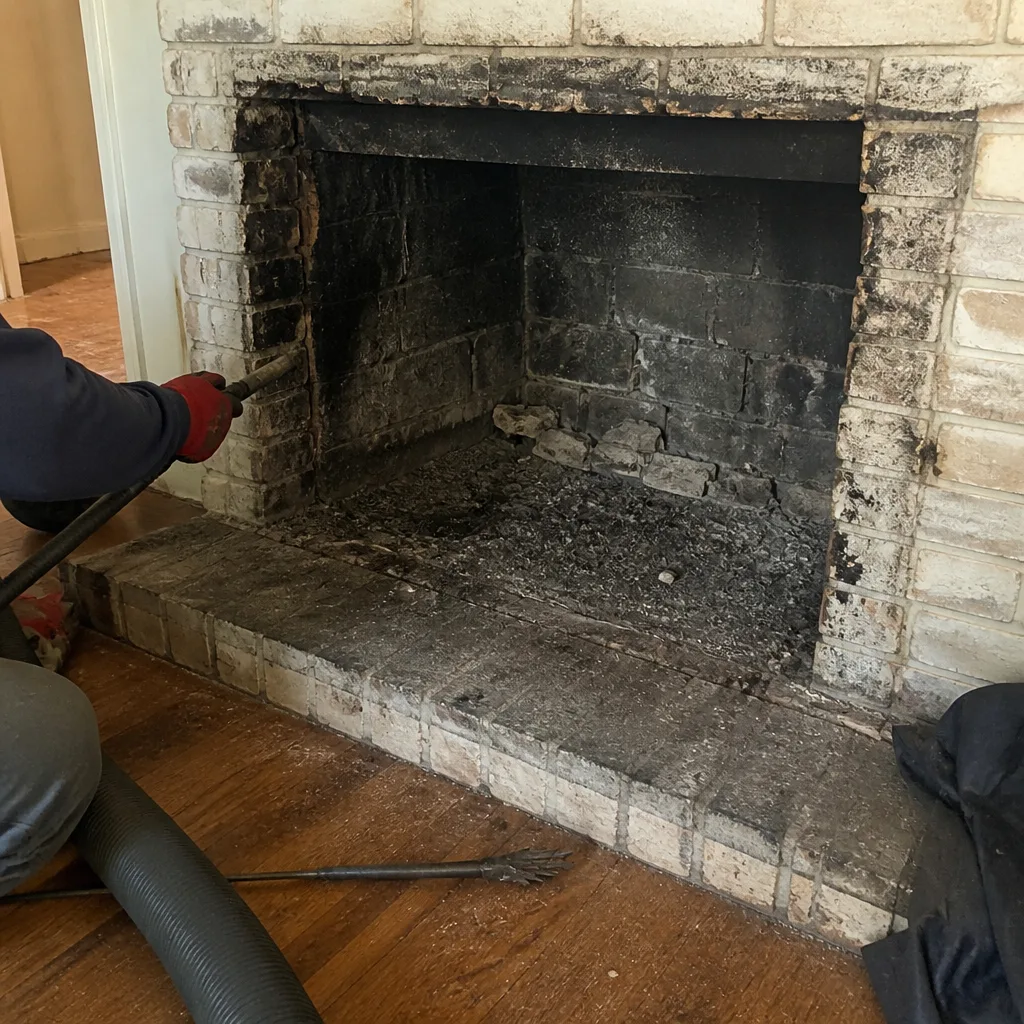 Before
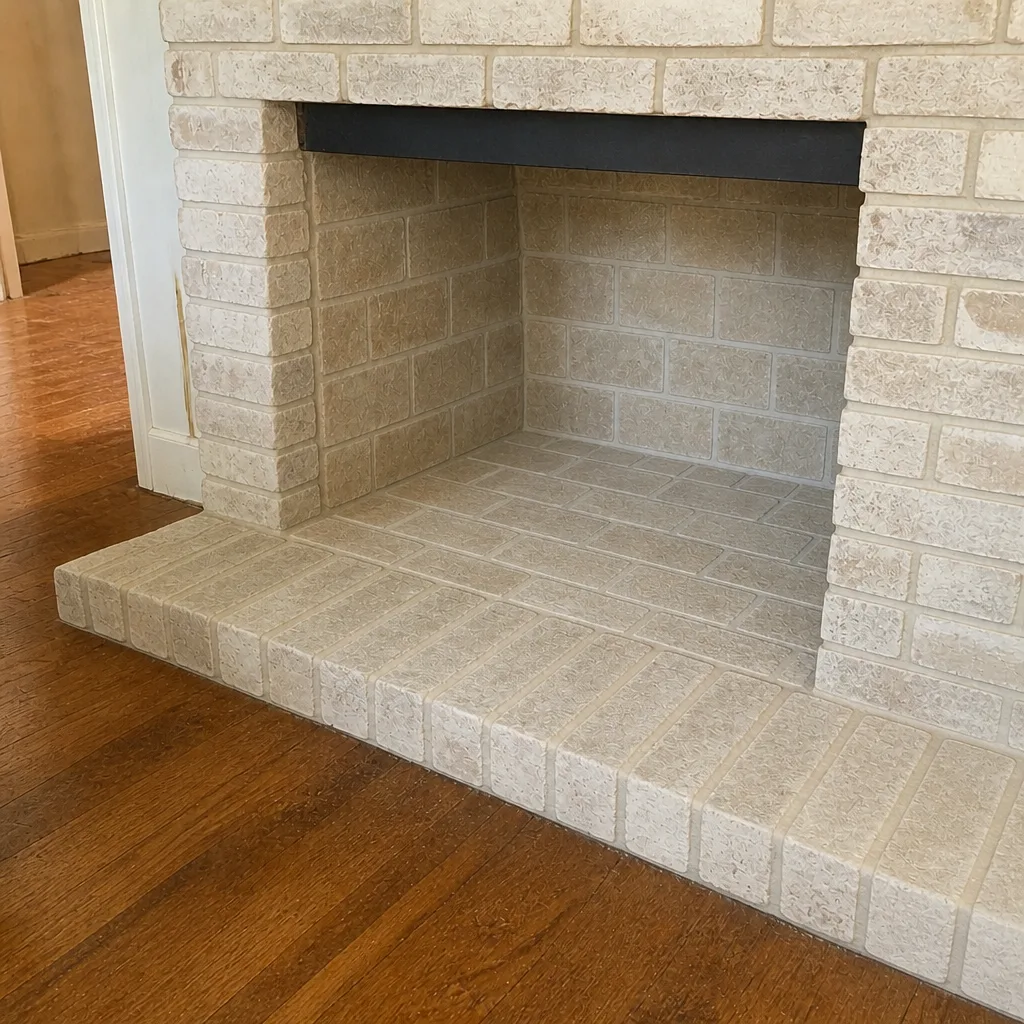 After
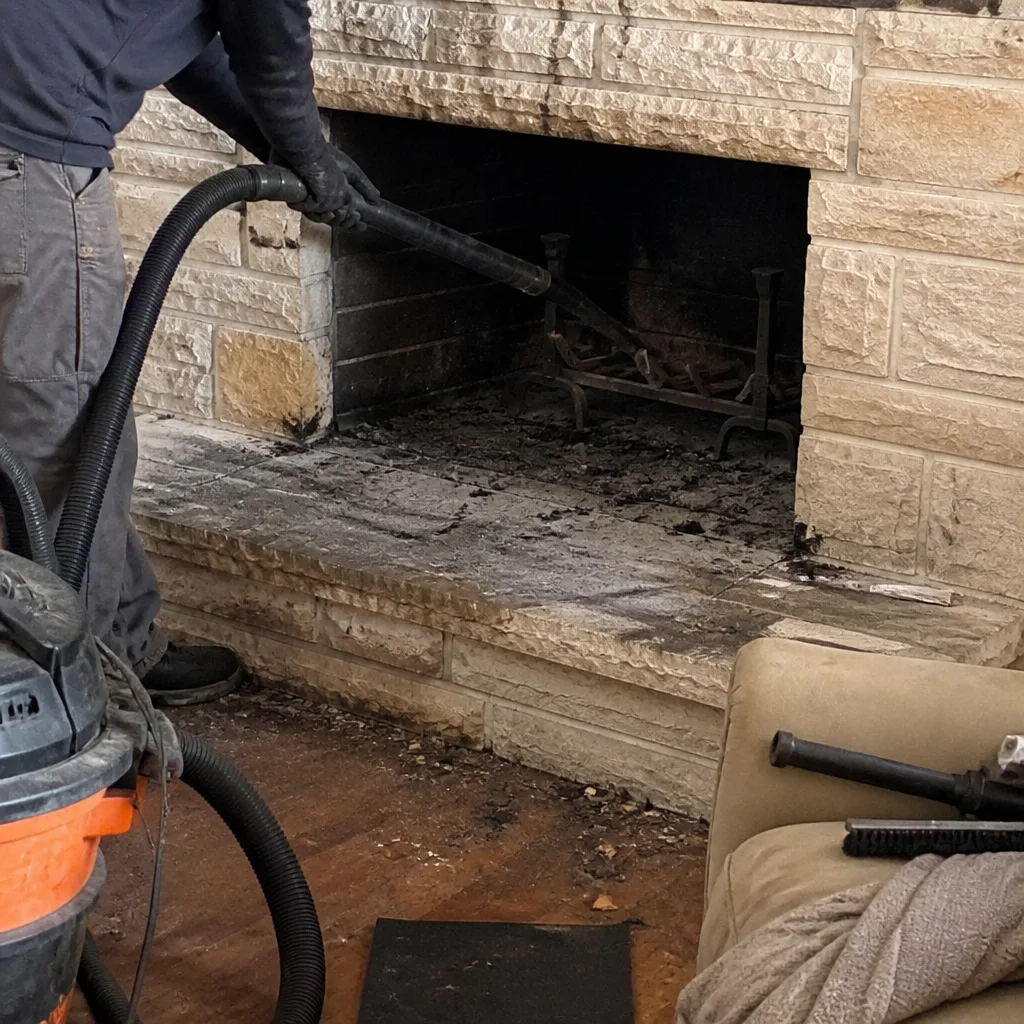 Before
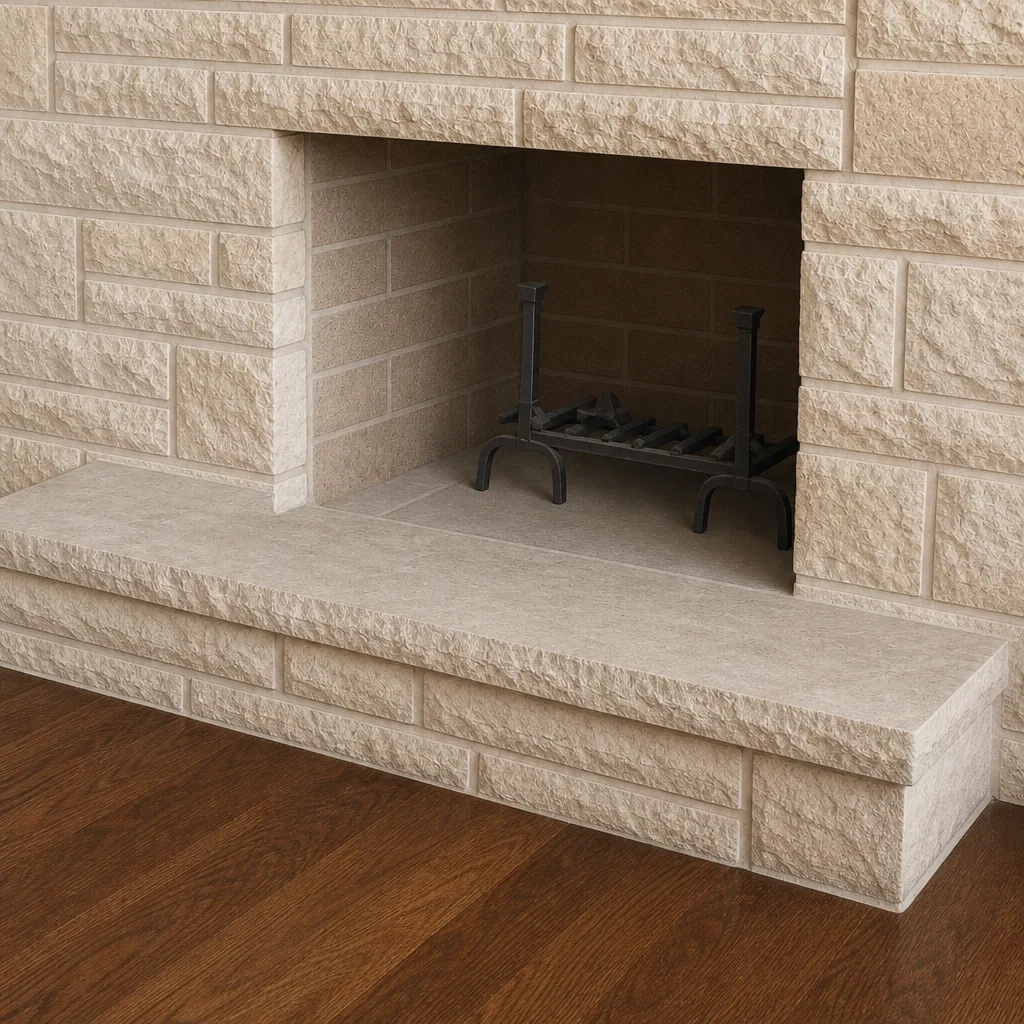 After
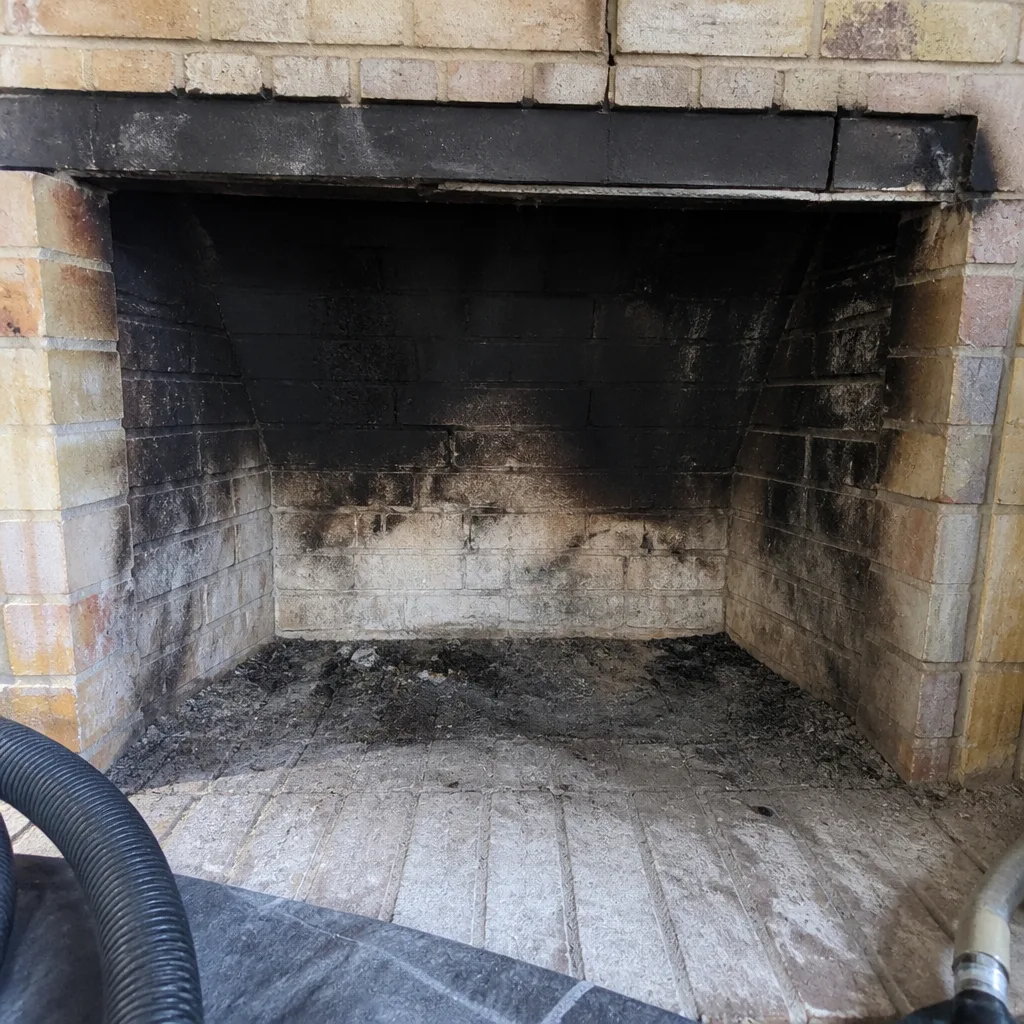 Before
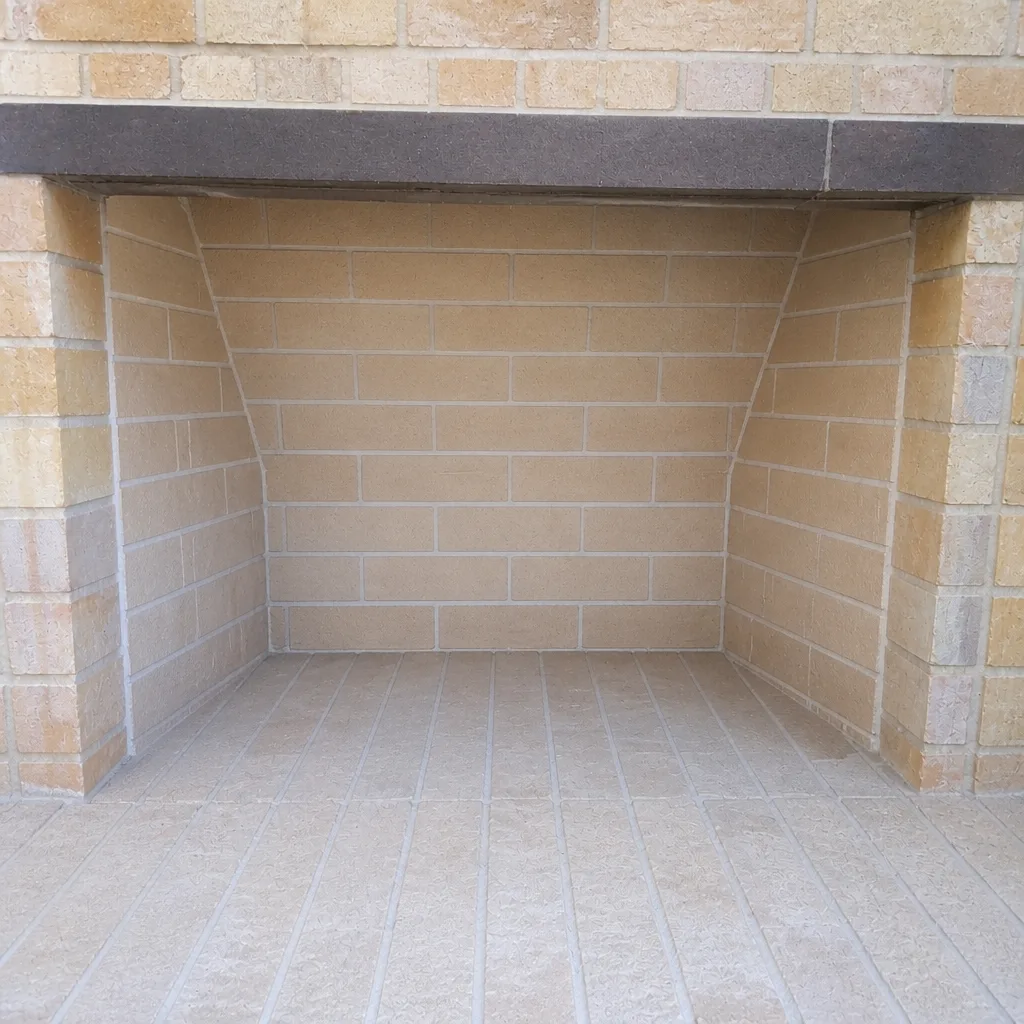 After
When to Call a Professional
Call a professional when you see smoke rolling back into the room on a fire that should be drafting, when you smell smoke or acrid odor in the room after a fire, or when you find cracks in the firebox walls or missing mortar. Call if the cap is damaged or missing, if you’ve never had the flue inspected, or if you own a prefab unit and don’t know your chase cover’s condition. Call if the chimney hasn’t been swept after a full year of use, or you’re buying or selling a home in Meyerland and need a credible inspection before closing.
One thing to note: safety is the reason to act here. A blocked or damaged flue can turn a routine fire into a carbon monoxide problem or a creosote fire, and that’s true whether the chimney has seen heavy use or a handful of evenings a season. The right answer is a camera inspection and a sweep, done by a chimney specialist, with results you can see for yourself.
Chimney Sweep Meyerland offers free estimates in Meyerland. Call (833) 696-2226. We answer 24/7. Fast dispatch from 7am to 7pm, Sunday through Friday.
Frequently Asked Questions
Once a year if you burn at all, and once a year even if you burn only a few evenings a season. In Meyerland’s climate, the annual sweep is less about heavy creosote and more about clearing nests and debris and confirming the liner is intact. If you rarely burn, an annual inspection can come with a sweep only when the camera shows it’s needed. Call (833) 696-2226 for a free estimate, and we’ll tell you whether a sweep is warranted.
Skipping it mostly means problems go unnoticed until they get expensive or unsafe. Water gets into an unprotected crown or cap, mortar softens and crumbles, the damper rusts, and a small crack in a clay liner can open into a real hazard before anyone sees it. The safety stakes are genuine: a compromised flue is a carbon monoxide and chimney fire risk. Call (833) 696-2226 for a free estimate before the season starts.
You can safely check the firebox, the damper, and the exterior from the ground, and you can evaluate the cap with binoculars. You can’t safely assess the flue interior or work on the roof, and that’s where most problems live. A camera inspection from a professional is the only reliable way to see cracks and gaps inside the liner. Call (833) 696-2226 for pricing and to book an inspection.
Yes, that’s the ideal timing in Meyerland. Sweeping in October clears out off-season debris and animal nests before you light the first fire, and it pairs with the inspection that catches cap or crown damage before winter. If you’ve already burned this season and something feels off, book a mid-season check instead of waiting. Call (833) 696-2226 for a free estimate.
A sweep cleans the chimney; an inspection assesses its condition. In Meyerland, the two are often done together, but the inspection is also a standalone service for buyers, sellers, and homeowners who just want a condition report. That matters because it means you can get an honest assessment without automatically being pushed into a cleaning. Call (833) 696-2226 to book one.
Expect a galvanized cap to last somewhere around a decade and a half before rust takes over, and a mortar crown closer to two to two and a half decades. South Texas humidity and the annual spring storms shorten those estimates, especially on uncapped chimneys. If a cap or crown is past its window, replacing it is far cheaper than the masonry work it prevents. Call (833) 696-2226 for a free estimate.
The Bottom Line
The standard chimney checklist works, but it’s built for climates that burn all winter. Meyerland’s short, sporadic season and humid off-season invert the order: the biggest threats are animal intrusion, moisture-driven mortar failure, and rust, not heavy creosote. Build your year around the three phases in this guide, check the cap and crown after spring storms, and know the age of your liner, cap, and crown. When something looks off, get it inspected with a camera, and see the evidence yourself before you commit to a repair. That’s a checklist you can actually keep.
Written by the team at Chimney Sweep Meyerland.
Call (833) 696-2226 for a free estimate. We answer 24/7. Fast dispatch from 7am to 7pm, Sunday through Friday.