
Last updated November 24, 2026
 Sweep & inspection
 Caps & crowns
 Flue relining
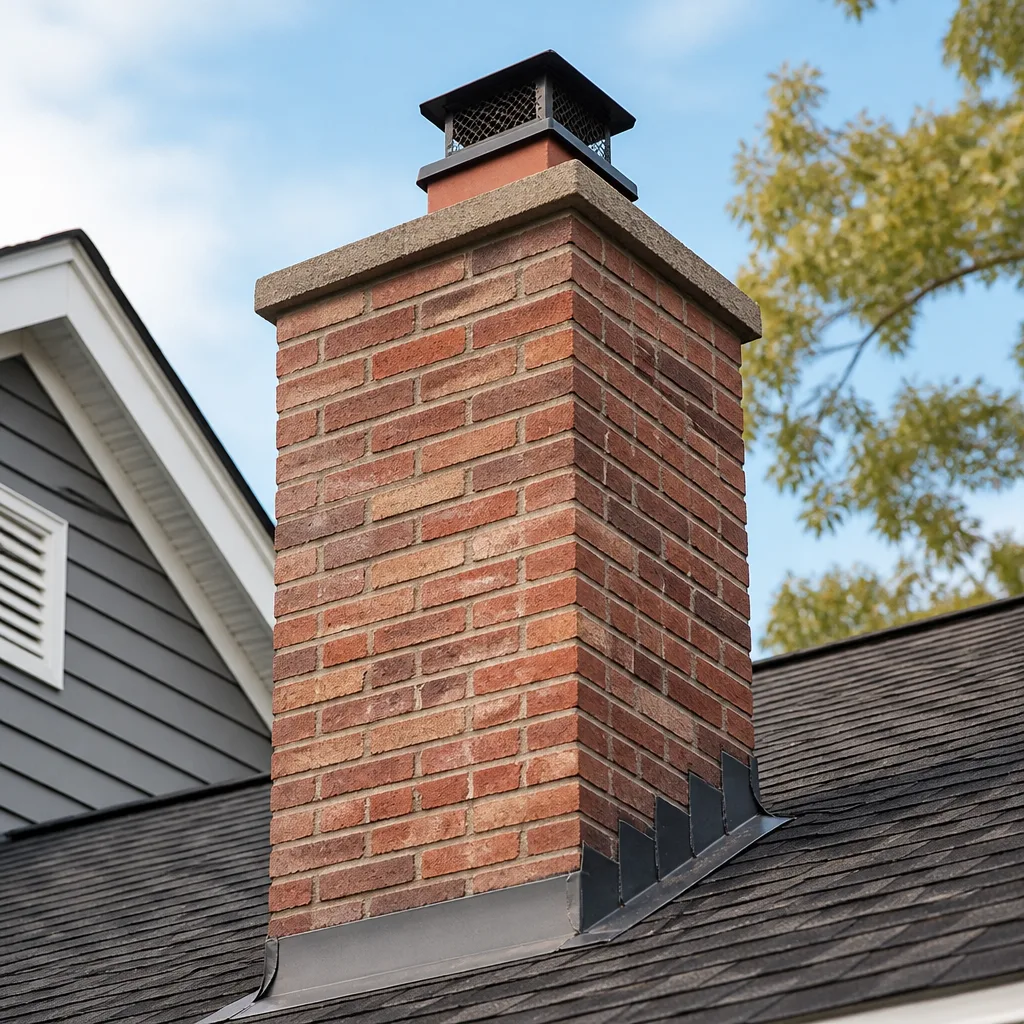 Masonry repair
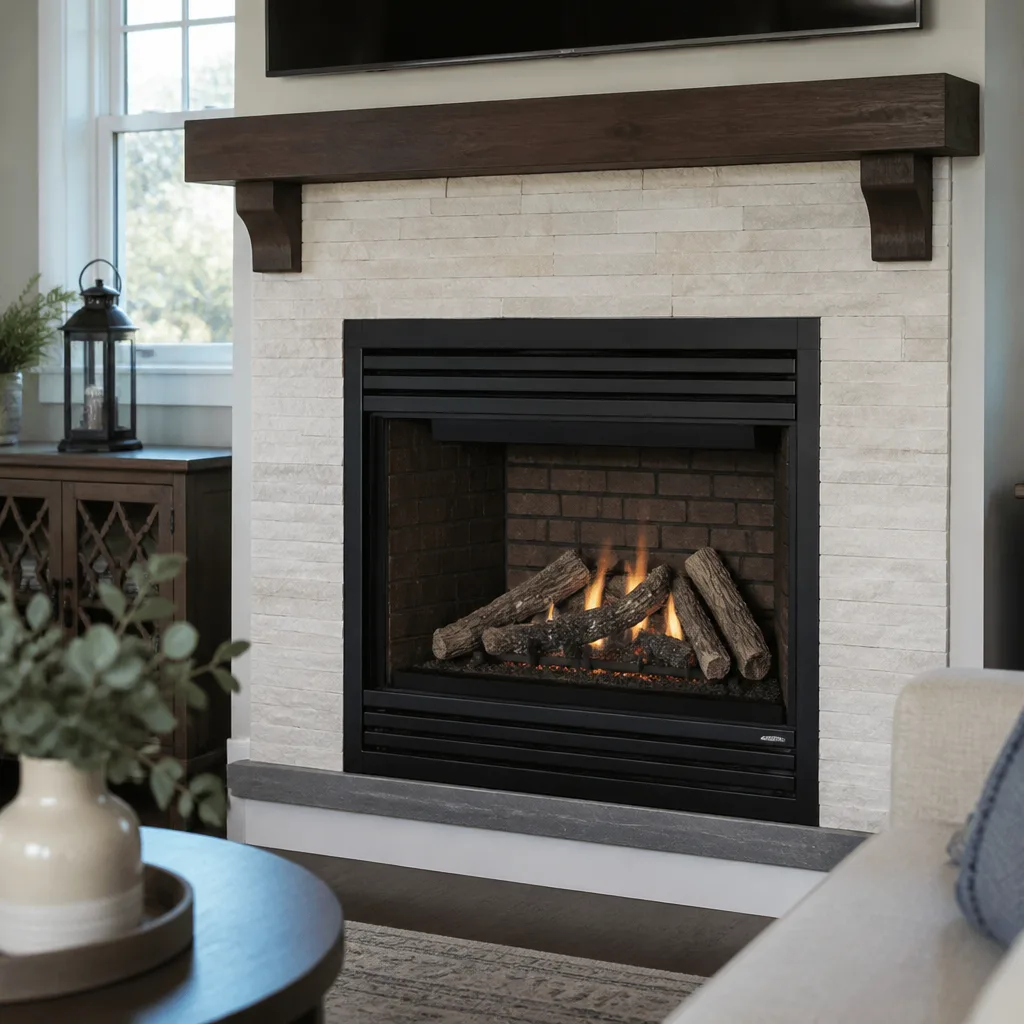 Gas fireplace service
Level 1 sweep and inspection to the NFPA 211 annual standard - flue, crown, cap, and flashing checked and photographed
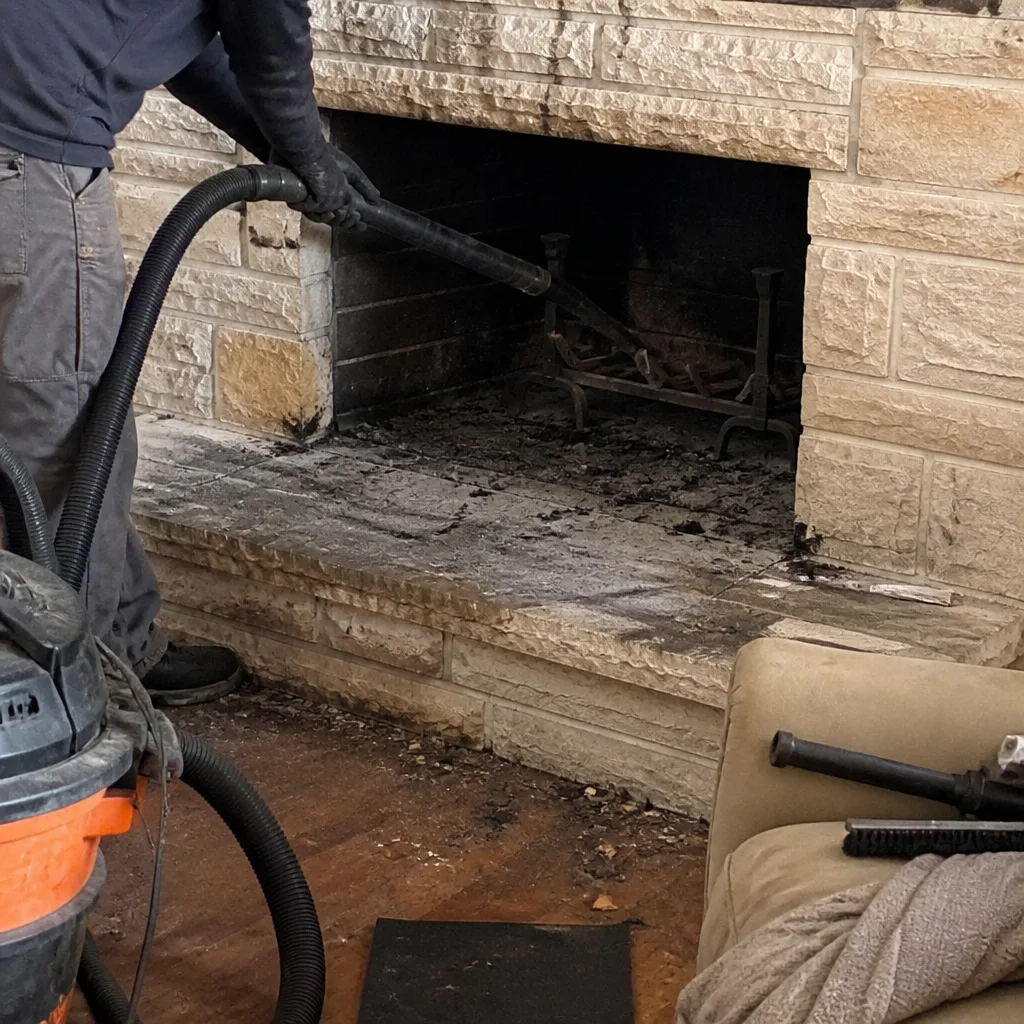
Chimney sweep logs do not sweep chimneys. They loosen some creosote - which then falls where a brush and vacuum still have to collect it.
Chimney Cleaning Emergency Preparedness Guide for Meyerland Homes
The instinct most people have during a chimney fire is to throw water on it. That instinct is exactly wrong. Cold water hitting a hot clay flue liner can crack it in seconds, and a cracked liner is how a contained flue fire turns into a fire inside your walls. The second most common mistake is quieter: assuming that because you only burn a few times a season, your chimney can’t be in trouble. Sporadic use actually hides problems longer, because there’s less routine to compare against. This guide walks through what to do in the first five minutes of a chimney fire or carbon monoxide event, what not to do, and how pre-season preparation in Meyerland changes the outcome when something goes wrong.
Quick Answer
If you suspect a chimney fire: close the damper if you safely can, get everyone out of the house, call 911, and do not put water on the fire. For a carbon monoxide alarm near a fireplace, treat it as a real event even with no smoke: evacuate, call 911, and don’t relight until a technician has inspected the flue and venting. In Meyerland, the more likely scenario to prepare for is carbon monoxide from a blocked or damaged flue, not a dramatic visible fire.
Styles & brands we work with
- Sweep & inspection
- Caps & crowns
- Flue relining
- Masonry repair
- Gas fireplace service
Table of Contents
- What to Do in the First Five Minutes of a Chimney Fire
- Why Water Is the Wrong Tool
- Carbon Monoxide vs. Smoke: How the Two Emergencies Differ
- Pre-Season Preparation That Changes Emergency Outcomes
- What to Expect When the Fire Department Responds
- Post-Fire: Why a Level 3 Inspection Is Not Optional
- What Happens If You Skip All of This
What to Do in the First Five Minutes of a Chimney Fire
A chimney fire can sound like a low roar, a series of pops, or a train going past the wall. You might see thick smoke from the top of the chimney, or puffs of black coming back into the firebox. Sometimes you notice nothing at all until a neighbor does. The response sequence matters because each step protects either a person or the structure, and doing them out of order can cost you time you don’t have.
- Get everyone out first. Adults, children, pets. Move to the yard, away from the chimney side of the house. This is step one because fire can move through a damaged flue into framing faster than most people expect, and getting people back inside for a phone or a coat is a risk that isn’t worth taking.
- Call 911 from outside. Tell dispatch you have a chimney fire, give the address, and describe what you’re seeing and hearing. Stay on the line until they tell you to hang up.
- Close the damper only if you can do it safely and quickly. A damper closed before you leave the house starves the fire of oxygen and slows its spread up the flue. If the firebox is already roaring or you have to reach through smoke or flame, skip it. A closed damper with people still inside is never the priority over getting out.
- Do not put water on the fire. More on why below.
- Don’t relight anything, even if the fire seems to die down. A chimney fire can smolder and reignite, and the flue may already be compromised. The fire department decides when the house is safe, and you don’t relight until a professional has inspected the system.
Once the fire department has cleared the scene, don’t call a general handyman. Call a chimney specialist who can document the damage and schedule a follow-up inspection. We handle chimney sweep and inspection work as a standalone service, which means you can get an honest assessment without automatically being sold a cleaning or repair.
Why Water Is the Wrong Tool
Water on a chimney fire doesn’t just fail to help. It can make the situation dramatically worse. Chimney flues are often clay tile, which is a ceramic material. Ceramic expands and contracts with heat but does not tolerate sudden cooling. Pouring a bucket of water down a flue that’s been running at 1,000 degrees or more creates a temperature shock that can crack the tiles along their length or shatter a section outright. Once the liner is compromised, the fire has a path into the wood framing around the chimney, and that’s the transition from a contained event to a structural fire.
There’s a second reason water is a bad idea. A chimney fire is usually fed by creosote deposits on the flue walls, not by the wood in the firebox. Pouring water into the firebox cools the burning logs but does nothing to the creosote burning further up. You end up with a wet, smoky firebox and a liner that’s still on fire and now cracked.
What actually works? Starving the fire of oxygen (closing the damper, if you can do it safely), letting the fire department handle it with the right equipment, and preventing the scenario through cleaning in the first place. The professionals who respond to chimney fires in Meyerland use dry-chemical extinguishers, chimney bombs, and controlled water application in specific patterns that don’t shock the tile. That’s not a DIY tool kit.
Carbon Monoxide vs. Smoke: How the Two Emergencies Differ
Homeowners prepare for the visible emergency and miss the invisible one. That’s the pattern we see most often. A chimney fire announces itself with sound, smoke, or smell. Carbon monoxide doesn’t. It’s a colorless, odorless gas produced by incomplete combustion, and a blocked, cracked, or improperly vented flue can push it back into the living space instead of out the top.
Smoke gives you time to react. CO gives you a headache, fatigue, nausea, and confusion, and the confusion is what makes it dangerous, because people who feel unwell often lie down instead of getting out. Meyerland homes that use their fireplaces sporadically are actually a higher risk in one way: the flue sits idle for months, allowing debris, bird nests, or a dislodged cap to block it without anyone noticing until the first fire of the season.
How the two presentations differ:
- Smoke event: visible smoke backing into the room, strong creosote smell, often triggered by a cold flue or a closed damper.
- CO event: headache, dizziness, drowsiness, or a CO alarm near the fireplace sounding with no smoke. Multiple people or pets showing symptoms at the same time is a strong signal.
- Both at once: a fire with poor draft can produce smoke and CO together. If you see smoke backing up, assume CO is possible and get out.
If a CO alarm sounds near your fireplace in Meyerland, evacuate, call 911, and don’t relight until the flue has been inspected. The most useful pre-season step is a proper chimney inspection before the first burn of the season, specifically checking draft and cap condition. A cap that’s come loose or a flue that’s partially blocked turns a normal fire into a CO source.
Pre-Season Preparation That Changes Emergency Outcomes
The best emergency response is the one you never have to use. Preparation is not complicated, but it has to happen before the first fire of the season, not after something goes wrong.
Place CO detectors where they’ll actually catch a flue problem
A CO detector on the far side of the house from the fireplace may not register a flue backup quickly enough. Place one near the fireplace room and one near sleeping areas. Test both monthly. In Meyerland, where the fireplace is often a decorative feature used a handful of times a year, a CO detector with a fresh battery is the single cheapest piece of emergency equipment you’ll own.
Check the chimney cap and crown before you burn
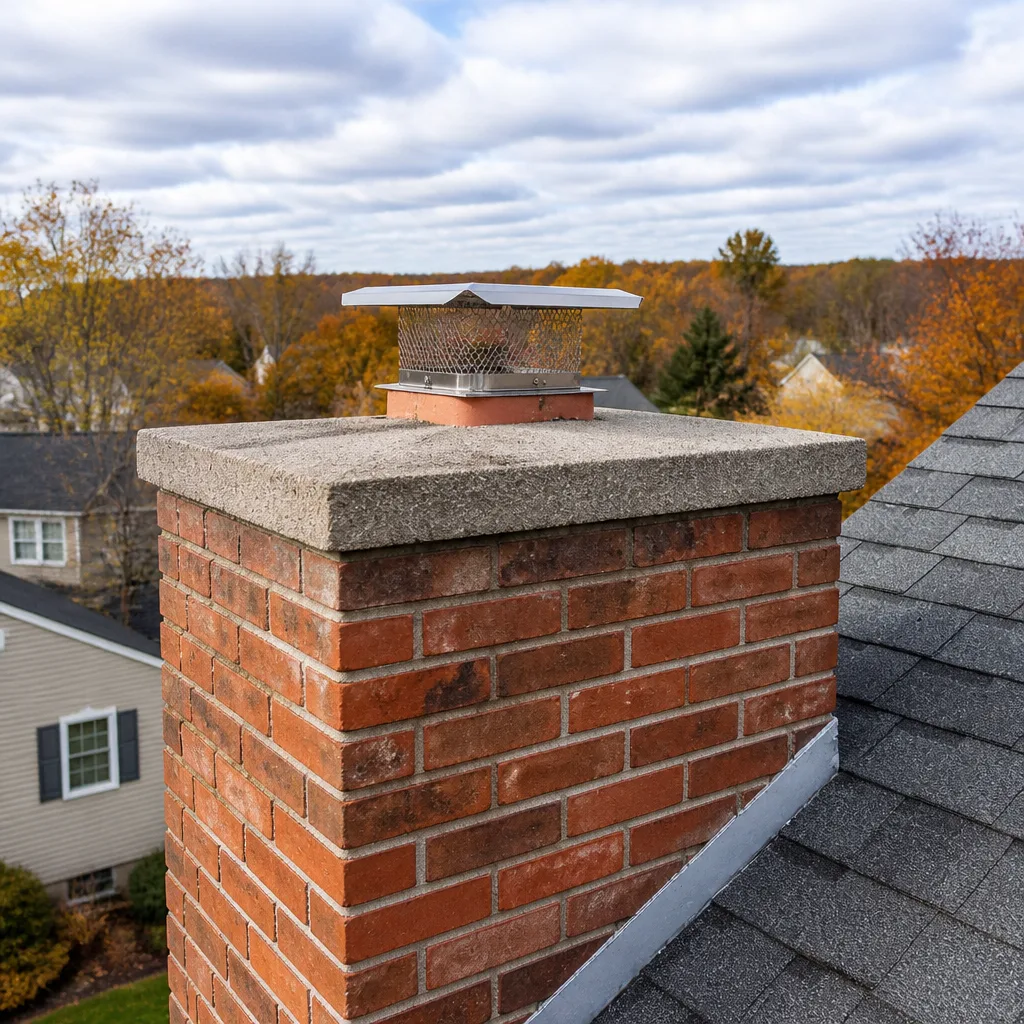
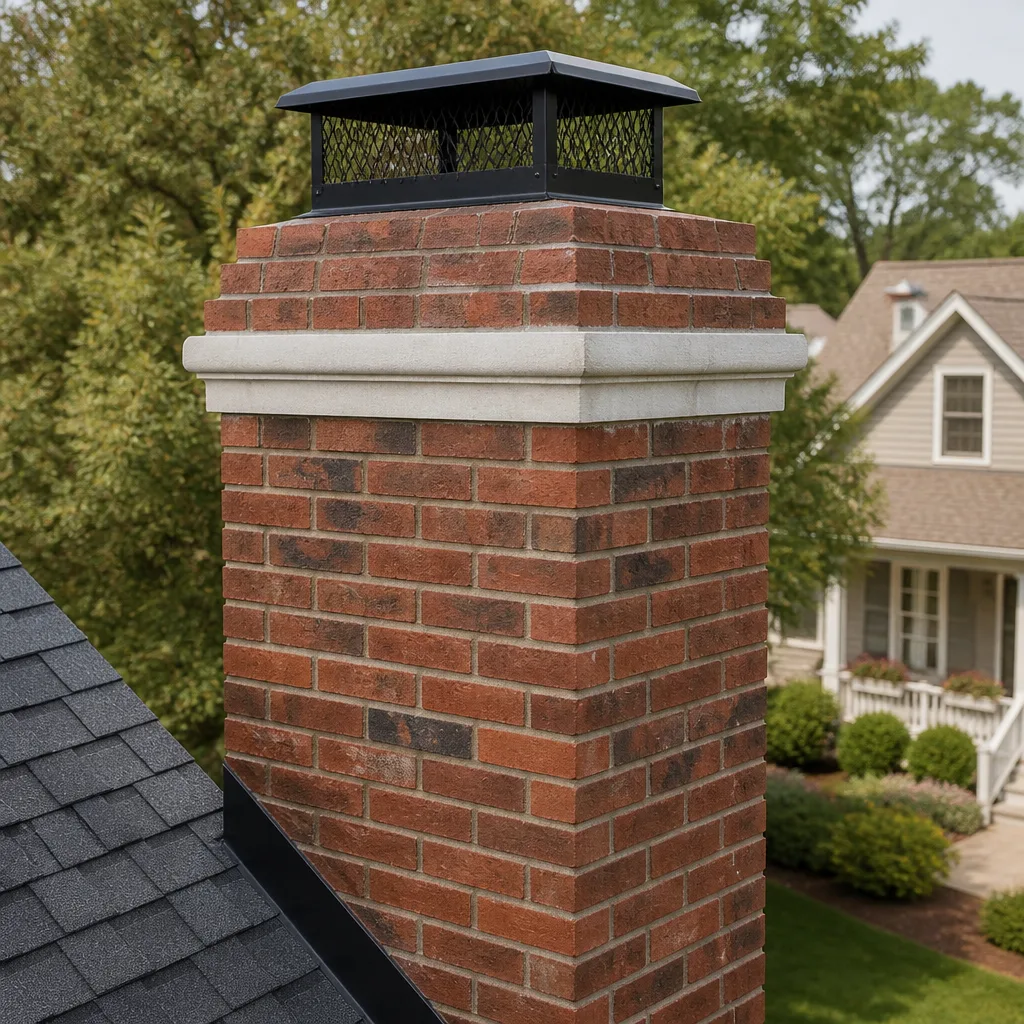
A missing or damaged cap lets birds, squirrels, and rain into the flue. A cracked crown lets water seep into the masonry, which degrades the structure and eventually affects draft. If your chimney cap & crown is damaged, get it fixed before the season, not after. We install and repair caps using Famco and Copperfield components because the fit matters for draft performance, not just appearance.
Get the flue inspected before first use
The inspection is where you find out whether you have dangerous creosote buildup, a cracked liner, or a blockage. For most homeowners, an annual inspection is the baseline. If you’ve never had one or you’ve moved into a home recently, do it before the first fire, not after.
Keep chimney-specific tools within reach
- A fire extinguisher rated for solid-fuel fires
- A flashlight that works in case of power loss
- A phone you can carry outside with you
What to Expect When the Fire Department Responds
If your chimney fire has been called in, the fire department will typically arrive with at least one engine and possibly a ladder truck. What they need from you, and what happens next, is worth understanding so you’re not caught off guard.
Access they’ll need. Firefighters need to get to the firebox inside and to the roof or the top of the chimney if it’s a working chimney fire. Clear a path to the fireplace beforehand if you can, and tell them what you were burning, how often, and whether the flue has been cleaned recently. If they ask about access to the roof, give them a clear route and let them handle the height. Never climb onto a roof yourself to try to fight a chimney fire.
The damage assessment process. Firefighters will usually use a thermal imaging camera to look for heat in the chimney structure and surrounding walls, and they may use a chimney fire extinguisher or a controlled application of water from the top. After the fire is knocked down, they inspect the attic and adjacent framing for extension. They may ask you to contact a chimney professional before relighting.
Documentation you need before any repair contractor arrives. Keep the fire department’s incident report number and any written notice they leave. Photograph the firebox, the flue if it’s visible, and the top of the chimney before anyone cleans or repairs anything. Your insurance company will want these, and so will any contractor who gives you an honest picture of the damage. We’re happy to work with your insurer on documentation, but the inspection evidence should come first.
Post-Fire: Why a Level 3 Inspection Is Not Optional
After a chimney fire, a routine cleaning is not enough. The standard that applies is a Level 3 inspection, which is the most detailed of the three levels. It typically includes access to concealed areas, like removing a cap or even sections of the chimney structure if the inspection findings require it, to confirm the liner and surrounding woodwork are intact.
A Level 3 inspection looks for things a routine inspection can miss:
- Cracks or delamination in the clay tile liner that aren’t visible with a basic camera view
- Heat damage or charring in the framing that runs alongside the chimney (a problem that can exist after a chimney fire even when the fire never appears to leave the flue)
- Failed mortar joints or a broken crown that opened a water or smoke path
- Obstructions that could have caused the original event
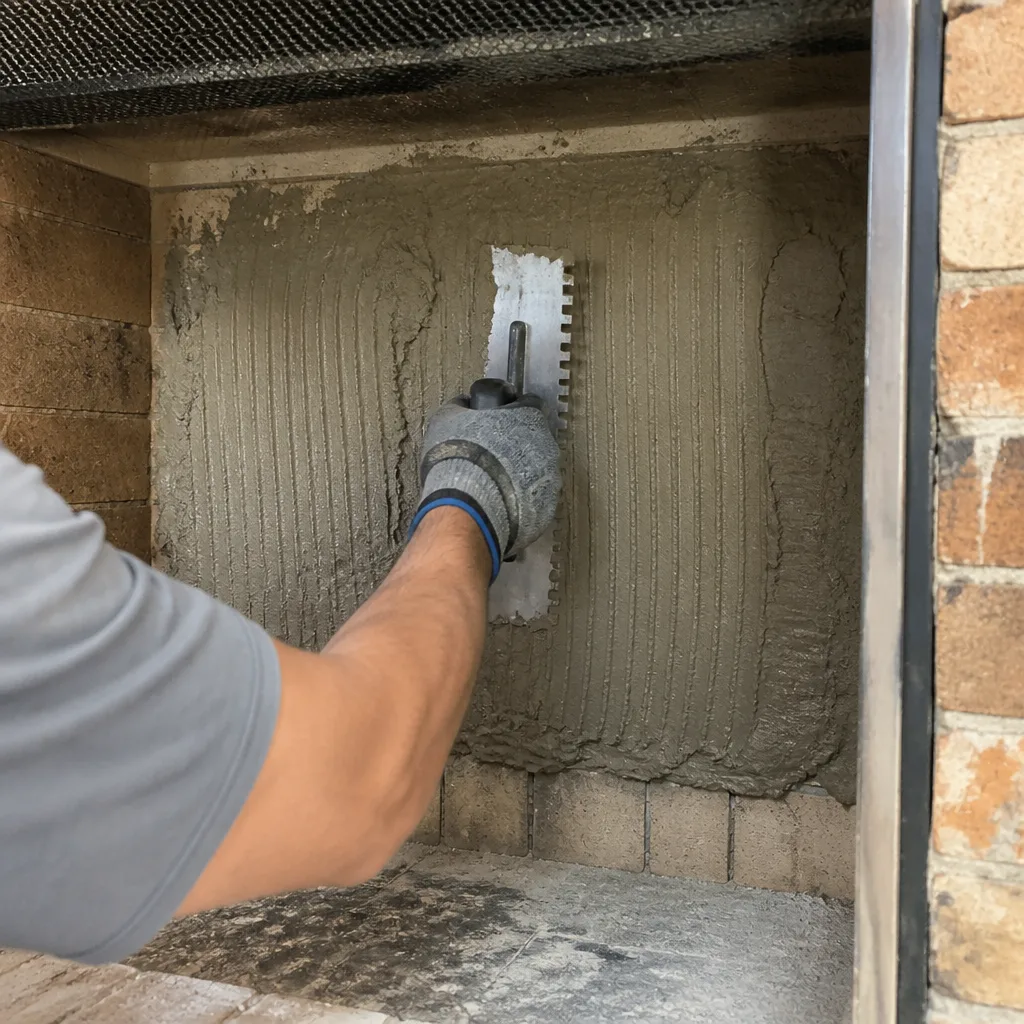
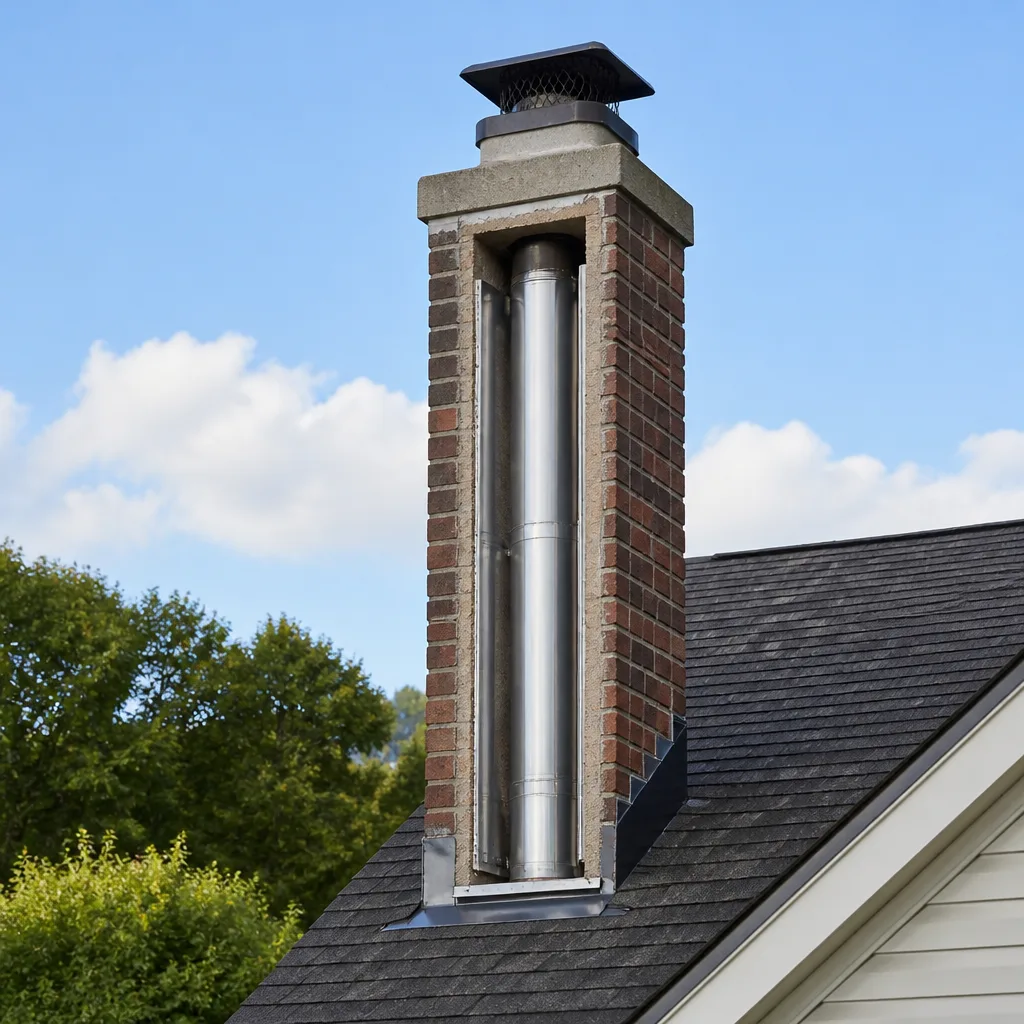
If the liner is damaged, a resurfacing product like HeatShield can sometimes restore the flue without a full tear-out. HeatShield is a proprietary resurfacing system that fills cracks and reconstitutes the flue wall, and it’s appropriate for certain damage profiles, not all. If the liner is beyond resurfacing, a new liner install using a professional-grade product like DuraFlex is the other path. What’s not acceptable is patching what looks like a crack and relighting without a proper inspection behind it.
The reason we push the inspection first is simple: the damage determines the repair, and the repair should follow the evidence. We don’t recommend significant repair work without camera or visual documentation you can see for yourself, and we’ll tell you plainly when something can safely wait.
What Happens If You Skip All of This
The worst outcomes we see aren’t dramatic fires. They’re slow ones: a small crack in the liner that lets heat reach framing over a couple of seasons, or a partial blockage that pushes CO into a bedroom, or a loose cap that lets water ruin the masonry crown and crack the flue over a year of wet-and-dry cycling. Meyerland’s warm, humid climate actually accelerates some of this, because moisture in masonry doesn’t freeze; it sits there and degrades mortar and clay over time.
None of that is a scare story. It’s the ordinary physics of a chimney system that’s been neglected. The preparation steps in this guide cost very little and reduce the risk in every category: a fresh CO detector, a cap that fits, an inspection before first burn. That’s the whole game.
Common Mistakes to Avoid
- Pouring water on a chimney fire. Cold water on a hot clay liner can crack it and give the fire a path into framing. Close the damper if you can safely and get out instead.
- Assuming no visible smoke means no problem. Carbon monoxide is invisible, and a blocked flue can push it into the house without any visible sign. Trust a CO alarm the same way you’d trust a smoke alarm.
- Relighting too soon after a fire. A chimney fire can smolder and reignite, and the liner may already be compromised. Don’t relight until a professional has inspected the full system.
- Skipping the CO detector near the fireplace. A detector on the far side of the house won’t register a flue backup quickly. Place one near the fireplace room and one near sleeping areas.
- Hiring a generalist for post-fire repair. A handyman can’t document liner damage or specify the right resurfacing or replacement product. Chimney work done by chimney specialists uses the right materials for the repair, not whatever’s on the truck.
- Tossing the fire department’s paperwork. Your incident report number and any written notice become part of the insurance claim and the repair record. Photograph the firebox and flue before anyone touches it.
- Letting a damaged cap go another season. A missing or loose cap lets water and animals in, and a damaged crown lets moisture degrade the masonry. Fix it before first burn.
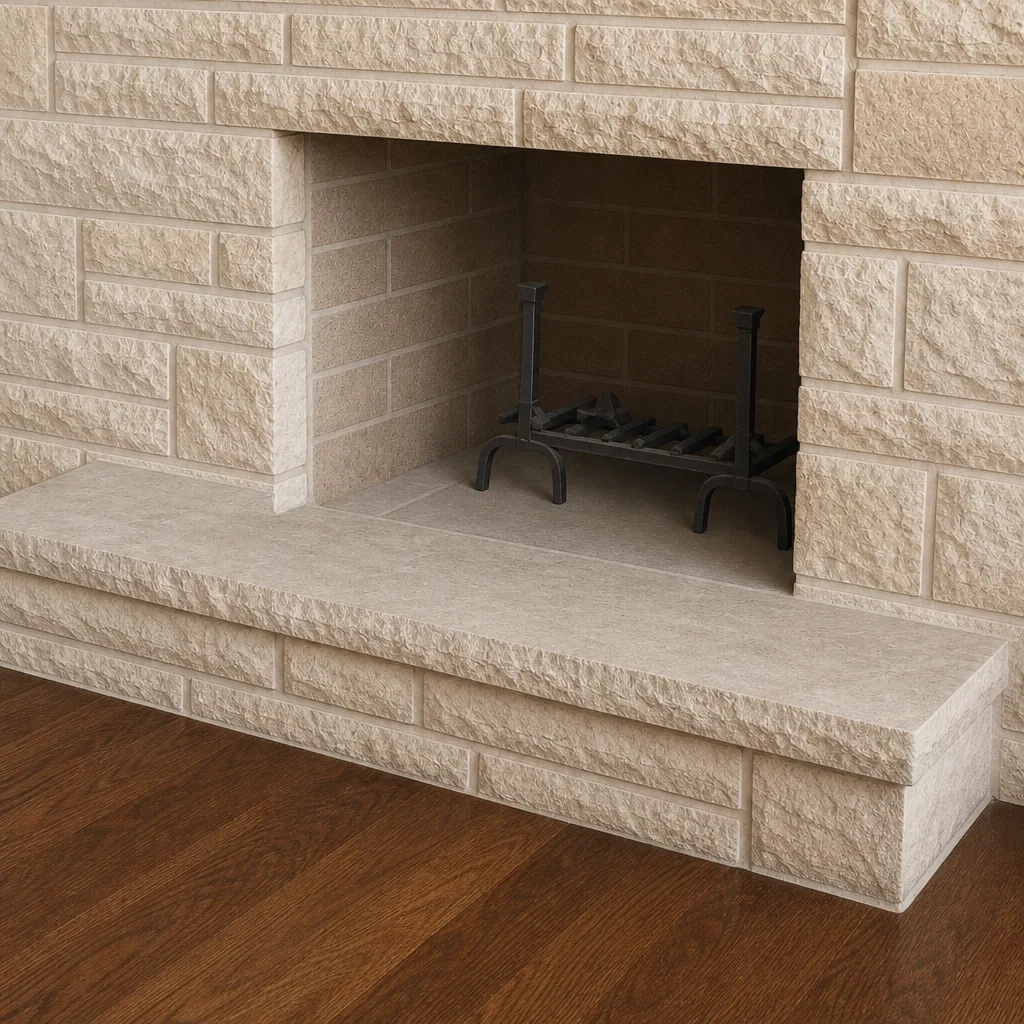
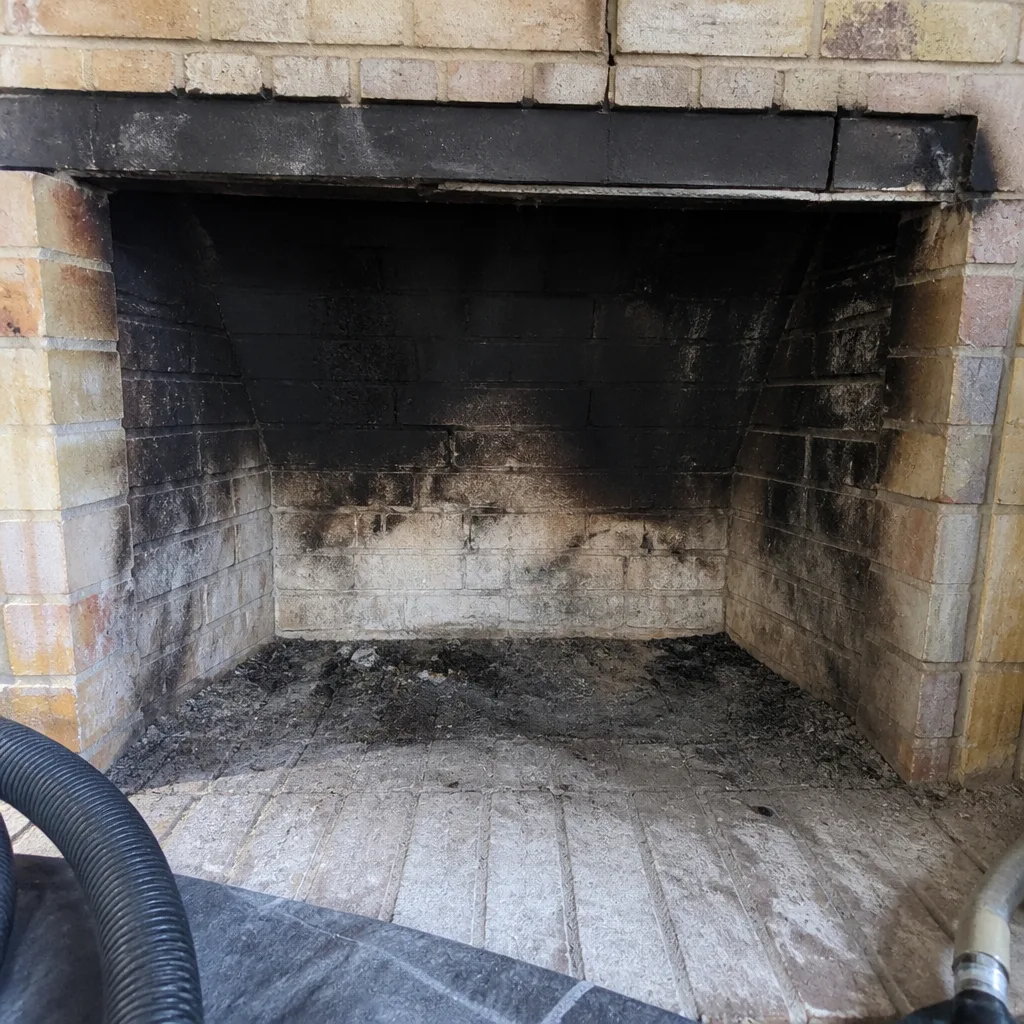
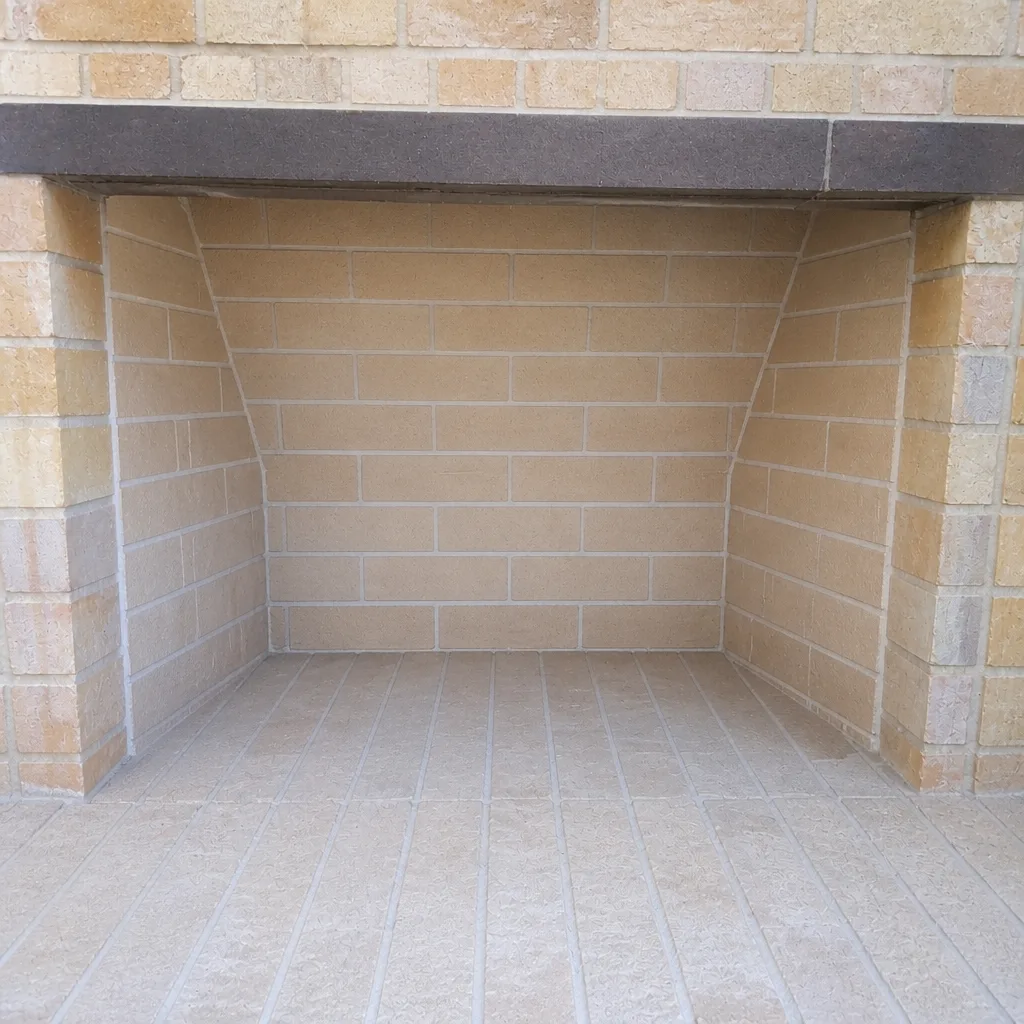
See the difference
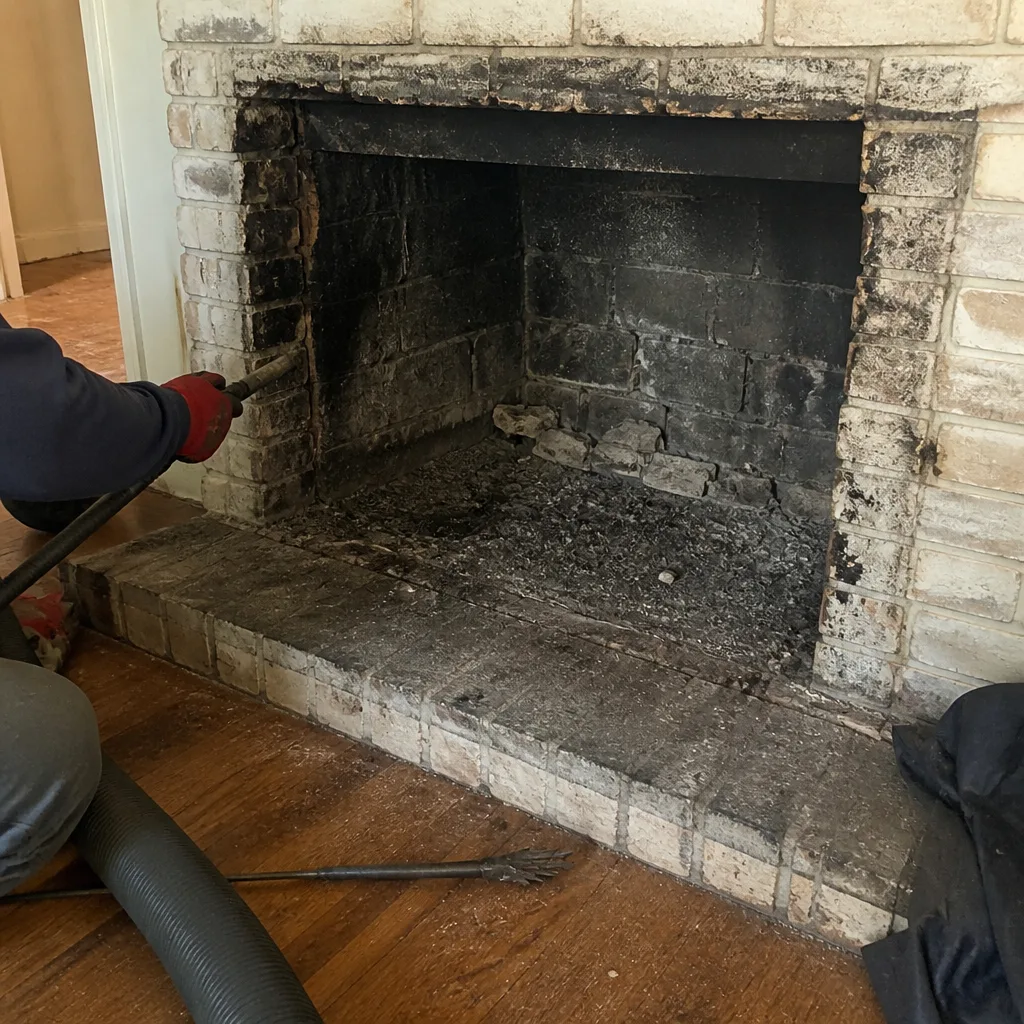 Before
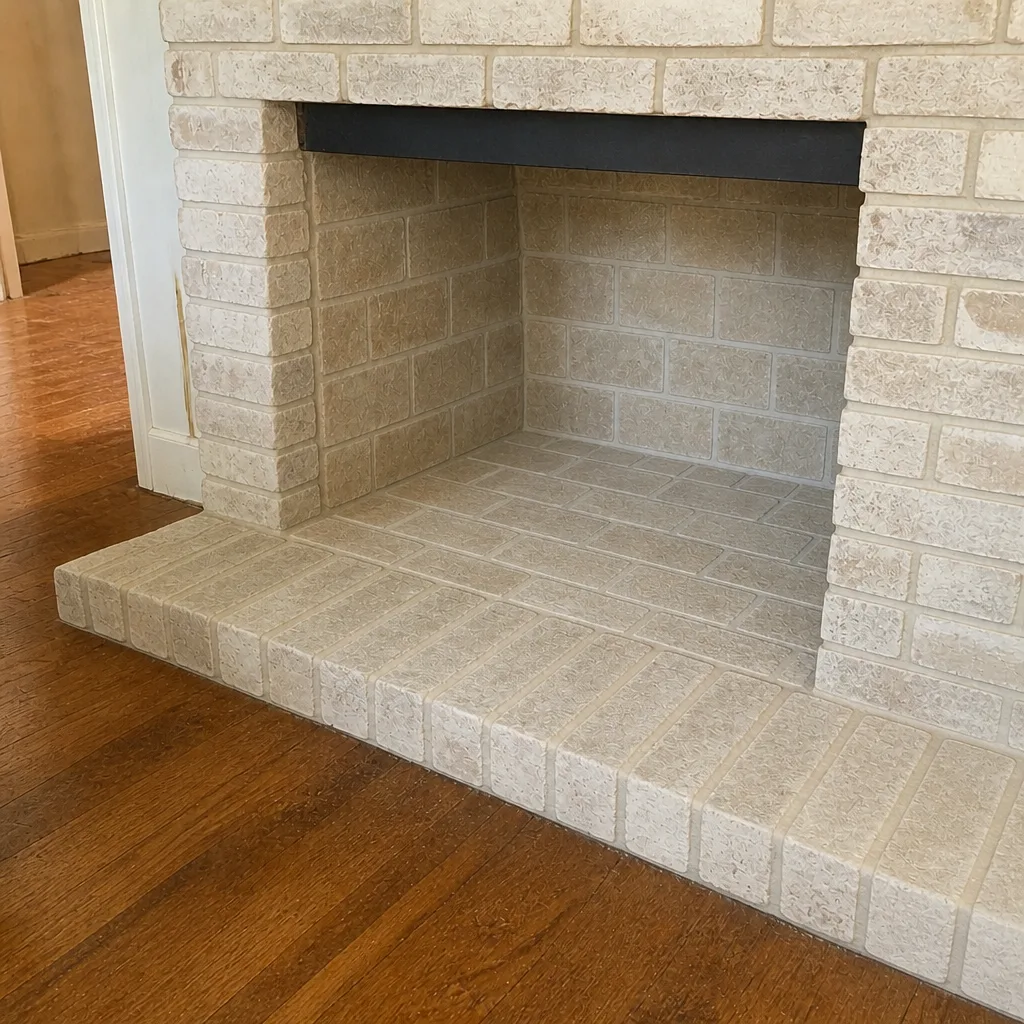 After
 Before
 After
 Before
 After
When to Call a Professional
Call a professional if you’ve had any chimney fire, even one that seemed small, before you relight. Call if a CO alarm near the fireplace has sounded, even once. Call if you notice smoke backing into the room, a strong creosote smell, or visible damage to the cap or crown. Call before the first fire of the season if the chimney hasn’t been inspected in a year, and call before relighting after any fire event. For routine fireplace issues, fireplace repair is a separate service from a sweep, and we offer both. Chimney Sweep Meyerland offers free estimates in Meyerland: call (833) 696-2226. We answer 24/7, and we can schedule a chimney inspection before you light the first fire of the season.
Frequently Asked Questions
Get everyone out of the house and call 911 from outside. Close the damper only if you can do it safely and quickly on your way out, and do not put water on the fire.
Yes, and it’s the most common surprise we find. A fire can crack or delaminate a clay tile liner while leaving no visible sign from the firebox. That’s why a Level 3 inspection after any fire event isn’t optional; it confirms what a routine look can’t.
Because Meyerland fireplaces often sit idle for months, so a blocked flue or a displaced cap can go unnoticed until the first burn. CO has no color or smell, so a detector near the fireplace is the only reliable warning. If a CO alarm sounds, evacuate, call 911, and don’t relight until a professional inspects the flue.
Yes. An inspection before first use tells you whether the flue is blocked, the liner is sound, and the draft is working. A sweep tells you the chimney is clean. An inspection tells you whether it’s safe to use. Call (833) 696-2226 to book one; estimates are free.
Keep the fire department’s incident report number, any written notice they leave, and your own photographs of the firebox and flue taken before anyone cleans or repairs anything. Your insurer and any contractor will need these.
For most homeowners who burn occasionally, once a year before the season is a sensible baseline. If you burn frequently or notice creosote buildup, more often. A professional sweep can tell you what your specific flue needs based on what they find.
The Bottom Line
A chimney fire or CO event in Meyerland comes down to a sequence: evacuate, call 911, don’t use water, and don’t relight until a specialist has inspected the system. The instinct to fight it yourself is the instinct to override. Preparation changes outcomes more than response does: a CO detector near the fireplace, a cap and crown that fit and seal, and an inspection before the first burn. Post-fire, a Level 3 inspection is the only way to confirm the liner and framing are intact, and HeatShield or DuraFlex restoration is a decision made on inspection evidence, not guesswork. Call (833) 696-2226 for a free estimate. We answer 24/7, and fast dispatch runs 7am to 7pm, Sunday through Friday.
Written by the team at Chimney Sweep Meyerland.