
Last updated November 24, 2026
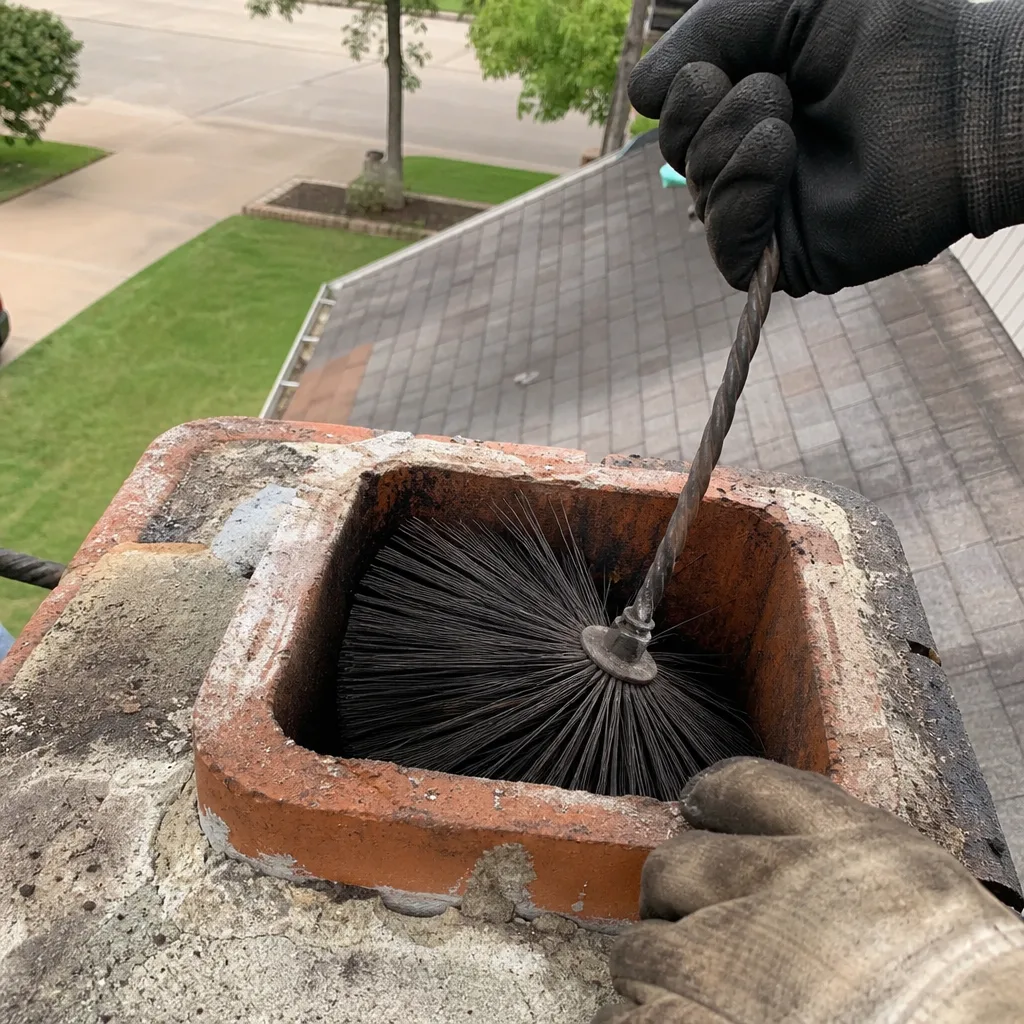
 Sweep & inspection
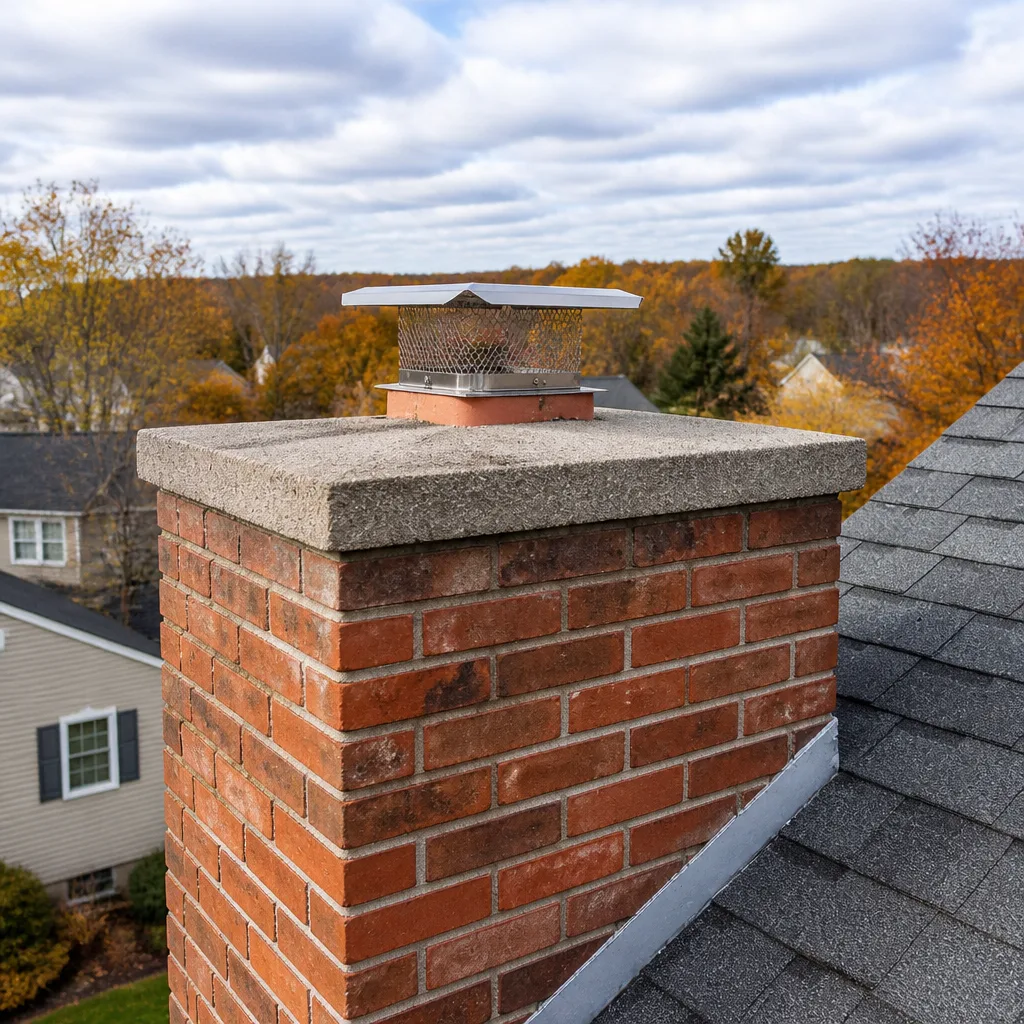
 Caps & crowns
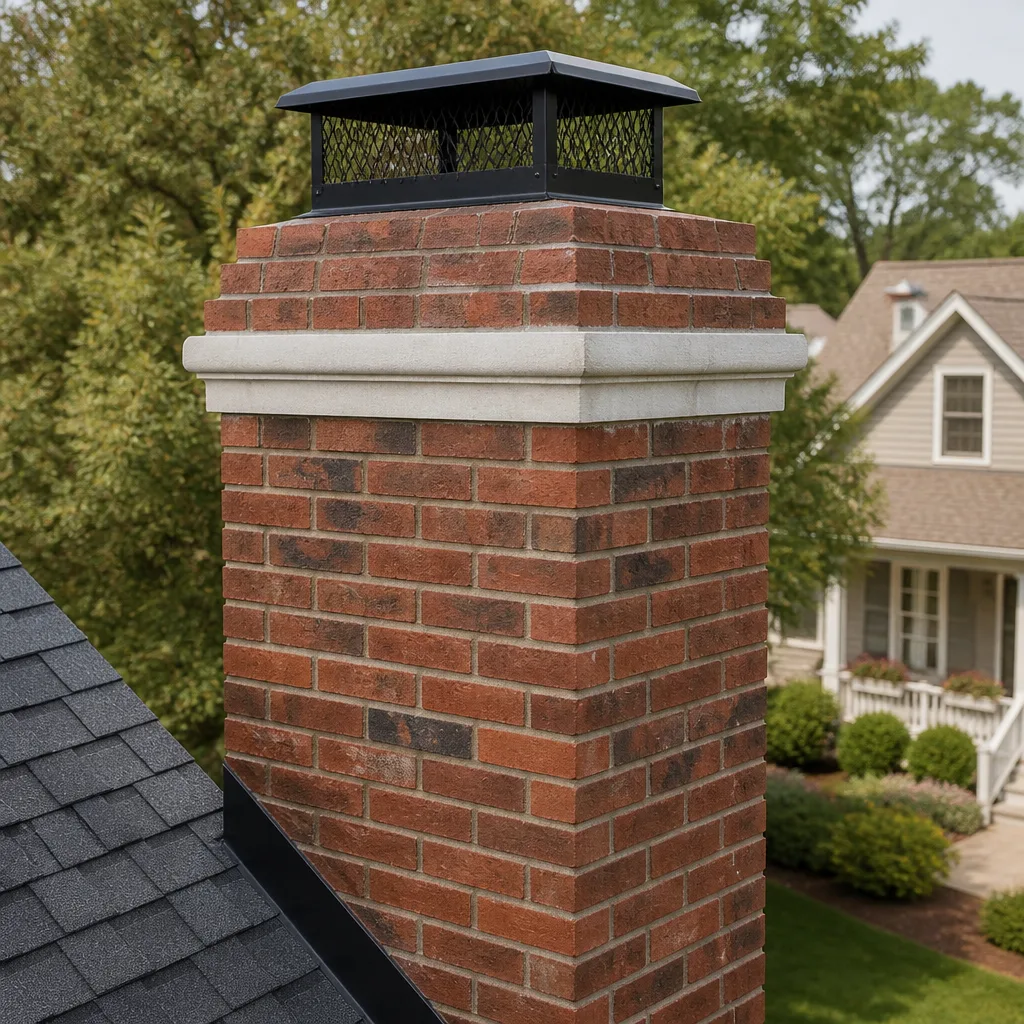
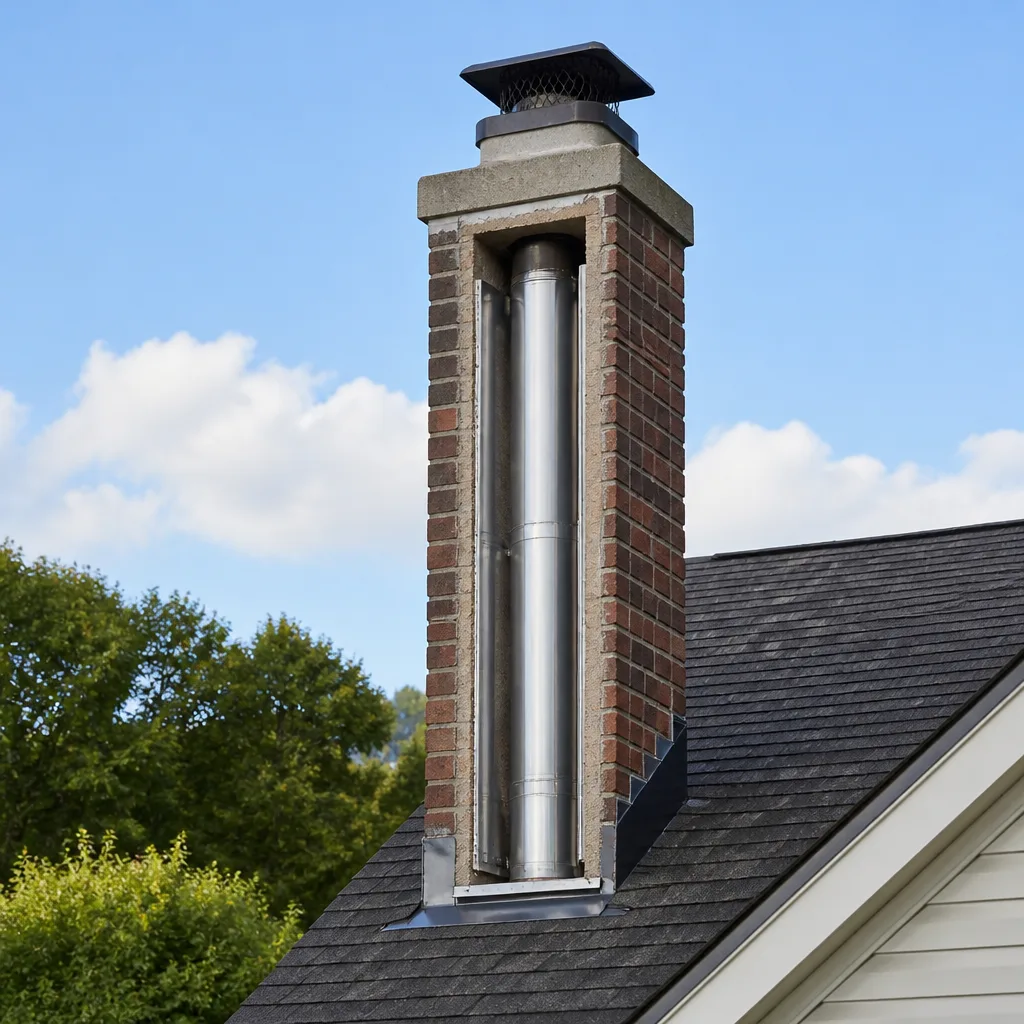 Flue relining
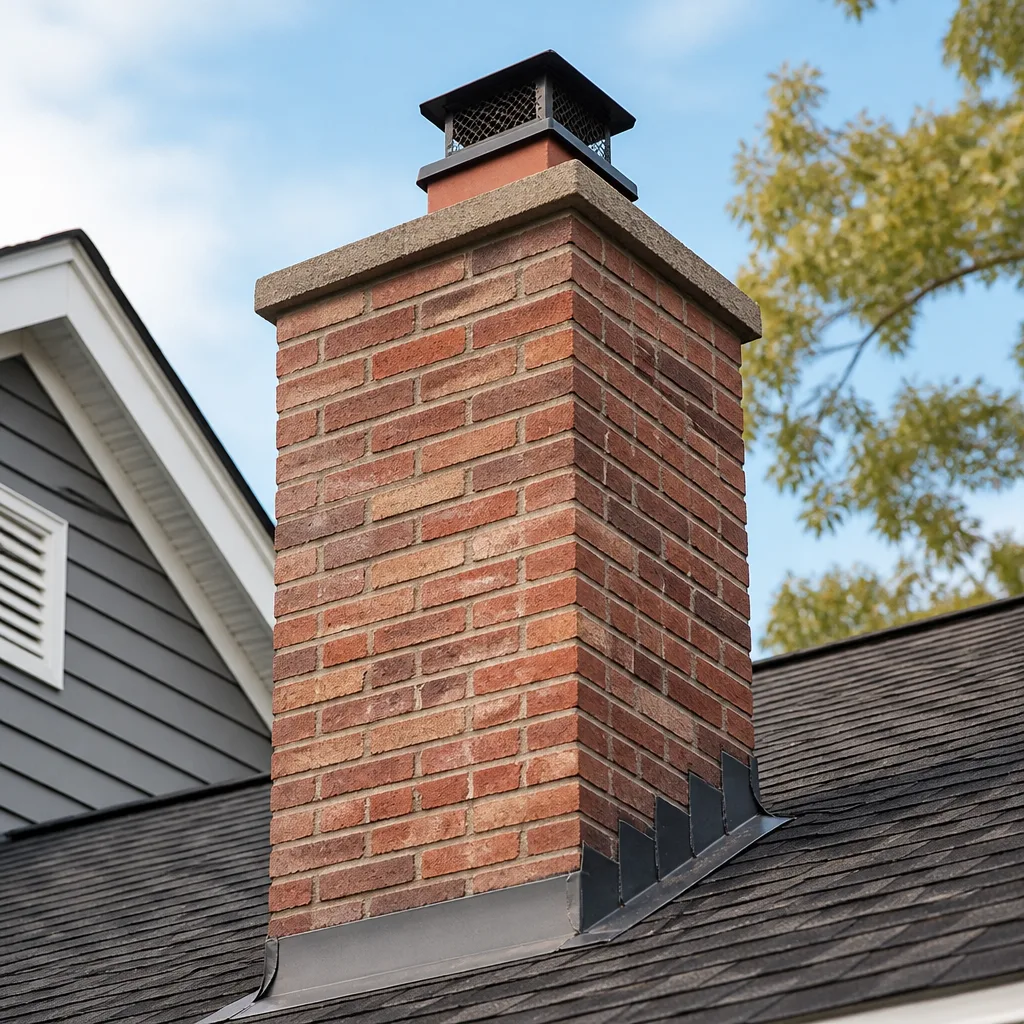 Masonry repair
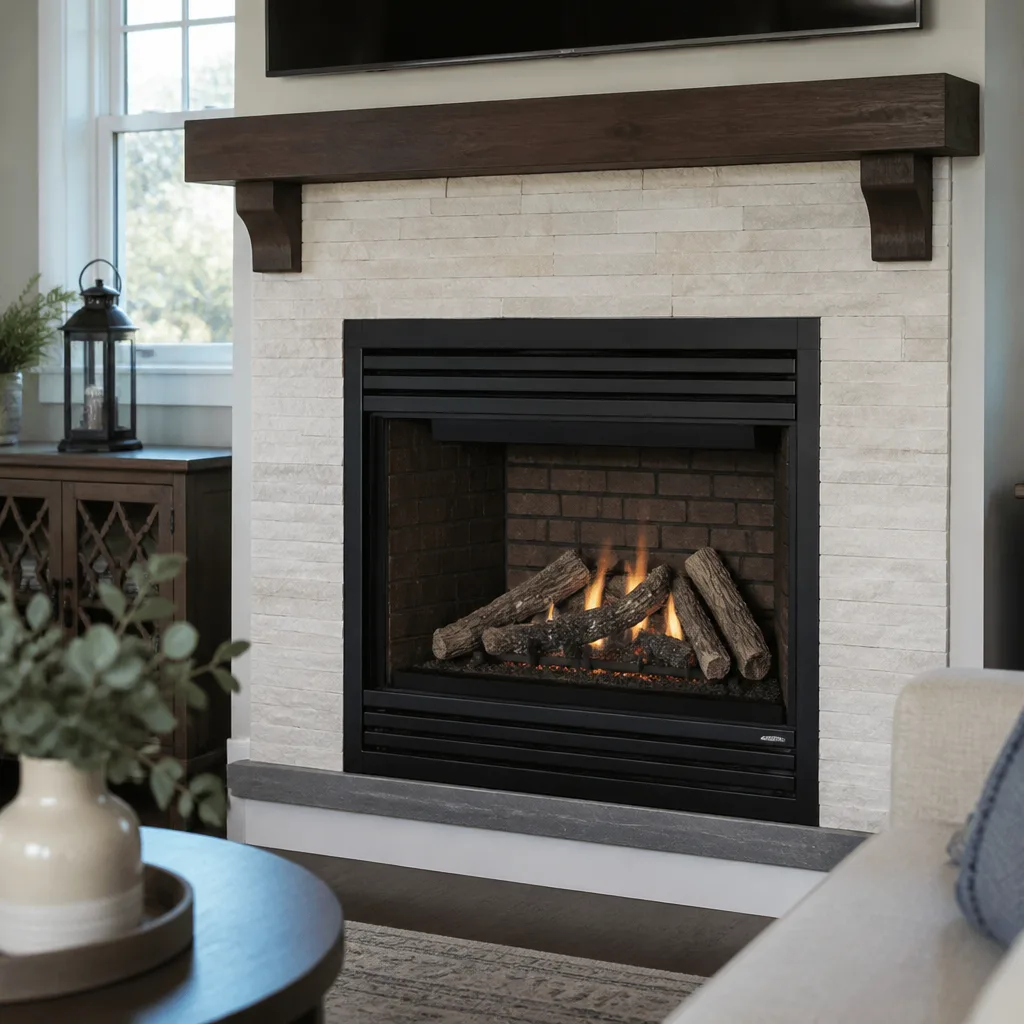 Gas fireplace service
Level 1 sweep and inspection to the NFPA 211 annual standard - flue, crown, cap, and flashing checked and photographed
Chimney sweep logs do not sweep chimneys. They loosen some creosote - which then falls where a brush and vacuum still have to collect it.
How to Hire a Chimney Cleaning Contractor in Meyerland: A Step-by-Step Guide
Most homeowners in Meyerland start their search the same way: type “chimney cleaning near me,” call the first number that shows up, and book whoever answers. That’s the wrong order. The chimney trade has no universal licensing standard, which means anyone with a brush and a wet-dry vacuum can advertise as a sweep. The meaningful filter isn’t price or proximity – it’s credentials you can verify independently, and most people never ask for them. This guide gives you a concrete vetting framework: what certification actually covers, the questions that expose whether a company stocks real repair materials or subcontracts everything, Houston-market red flags, and what a proper written estimate should contain.
Quick Answer
Hiring a chimney cleaning contractor in Meyerland comes down to three steps: verify a real certification (CSIA, NFI, or NCSG) through the issuing organization’s own directory rather than the company’s website, ask directly whether the company stocks repair materials like DuraFlex or HeatShield liners or subcontracts that work out, and demand a written estimate that itemizes scope, liner access method, debris containment, and post-job documentation. A company that can’t answer all three clearly isn’t a chimney specialist – it’s a handyman with a brush.
Styles & brands we work with
- Sweep & inspection
- Caps & crowns
- Flue relining
- Masonry repair
- Gas fireplace service
Table of Contents
- Why Hiring Right Matters More in Meyerland Than Anywhere Else
- The Three Credentials That Actually Matter – and How to Verify Them
- Questions to Ask Before You Book
- Red Flags Specific to the Houston Chimney Market
- What a Legitimate Written Estimate Should Include
- Why the Lowest Bid Usually Costs More
- The Difference Between a Sweep and an Inspection
- When to Call a Professional
Why Hiring Right Matters More in Meyerland Than Anywhere Else
Meyerland is a neighborhood where chimney conditions vary enormously from one block to the next. The housing stock here spans a wide range of construction styles and vintages, and many homes have had their fireplaces modified over the decades – inserts added, dampers replaced, caps swapped, masonry repaired. Two houses on the same street can need completely different work. That variability is exactly what a low-bid generalist is not equipped to handle, because the cheap appointment assumes every chimney is the same.
Meyerland’s climate adds a second variable. The warm, humid air we get most of the year creates moisture conditions that affect caps, crowns, and liner seals. A cap that’s improperly fitted or a crown with a hairline crack can let water into the flue over time, degrading the masonry from the inside. A chimney that looks fine from the driveway can have significant moisture damage at the top. That’s not a scare tactic; it’s why inspection matters as a separate step from sweeping.
Add to that the fact that Meyerland has a steady stream of real estate transactions throughout the year – buyers and sellers who need a credible, honest chimney assessment before closing. When an inspection report is going to be read by a realtor, a title company, and two sets of lawyers, the credibility of the person writing it matters a great deal. A handyman’s scribbled note doesn’t carry the same weight as a documented condition report from a company that does chimney work and nothing else.
This is why the hiring decision should be based on specialization, not on which company has the biggest ad budget. The right contractor will understand Meyerland’s particular mix of older housing stock and moisture-prone conditions, and will approach each chimney as its own system rather than running the same routine clean-and-go.
The Three Credentials That Actually Matter – and How to Verify Them
In the chimney trade, there are three credentials worth knowing. They cover different things, and a company that holds any of them has at least demonstrated baseline knowledge. A company that holds none of them isn’t automatically bad, but it hasn’t proven anything to anyone.
- CSIA (Chimney Safety Institute of America): This is the most recognized certification in the residential chimney trade. It requires passing a written exam, completing hands-on training, and keeping up with continuing education to maintain the credential. A CSIA-certified sweep is someone who has been tested on the mechanics of a chimney system, not just taught to push a brush.
- NFI (National Fireplace Institute): NFI covers gas, wood, and pellet appliance installation and service. This matters most when your chimney involves a wood stove insert or a gas fireplace, where the appliance and the flue interact. An NFI-certified technician understands that relationship.
- NCSG (National Chimney Sweep Guild): This is the trade’s professional organization. Membership isn’t a certification in the same testing sense, but active membership signals a company that stays plugged into current industry standards for chimney sweeps across the country.
Here’s the part most homeowners skip: verifying the credential independently. A website can list “CSIA Certified” in the footer, but that claim should be checked against the issuing organization’s own online directory. Every one of these organizations maintains a searchable listing of active credential holders. If a company claims a credential and it doesn’t come up in the directory, that’s a problem. If a company’s site lists a “certified sweep” without a name, ask for the name and check it yourself.
We’ve seen Meyerland search results where the majority of companies list no certified sweep and no credential at all. That’s not necessarily proof they’re unqualified – some experienced technicians simply never bothered with the paperwork – but it does mean you can’t distinguish a trained professional from a hobbyist without asking. When we connect Meyerland homeowners with local chimney professionals, we look for the ones who can name their credential and point you to where it’s published. That single question filters out more noise than any review count.
Questions to Ask Before You Book
The right questions during a first phone call reveal a lot. A real chimney specialist answers them without hesitation. A generalist with a brush will dodge, change the subject, or give vague answers. Have this list ready.
- “Is your sweep certified, and by which organization?” Get the specific credential. “We’re trained” is not an answer; “CSIA-certified” is. Follow up by asking for the name so you can verify it in the directory.
- “Do you stock repair materials or do you subcontract the repair work?” A company that carries and installs professional liner and cap products – DuraFlex flexible liners, Copperfield caps, HeatShield resurfacing materials – can typically complete a repair in the same visit. A company that “orders what’s needed” may be handing the job to a third party, which means the person who inspected your chimney isn’t the person who fixed it.
- “What does the estimate include?” Ask specifically whether it covers the sweep, the inspection, and any recommended repairs as separate line items. If they quote one lump sum over the phone, ask for the written breakdown.
- “How will you protect my floors and furniture during the sweep?” A professional chimney company uses drop cloths and a proper containment setup. Ask about their debris containment method – this is a genuine question, not a courtesy.
- “What documentation do I get after the job?” The answer should include something in writing. A photo report of the flue interior before and after, plus a note on any conditions found, is standard for a serious chimney company. “We just clean it and leave” is a warning sign.
- “Do you do chimney work, or is it one of many services?” Chimney specialists do chimney work, period. A company that also does roofing, HVAC, gutters, and pressure washing is a general contractor. That’s fine for some jobs; it’s not what you want for a flue liner.
One question worth asking in the other direction: “If you find a problem, can you fix it?” A company that does inspections and sweeps but subcontracts every repair is putting you back at square one when they hand you a list of recommended work. A company that covers the whole system – sweep, cap and crown, liner, fireplace, inspection – keeps one accountable party. If you want to know more about what a single-company approach looks like in practice, our Chimney Sweep Meyerland page explains how the full-system approach works.
Red Flags Specific to the Houston Chimney Market
Every market has its own version of the chimney scam, and the Houston market has a few recognizable patterns. These aren’t hypothetical – they show up in Meyerland and across the metro area often enough that homeowners should know what to look for.
- Vague flood-damage upsells. After any significant rain event in the Houston area, a wave of contractors starts knocking on doors offering “flood-damaged chimney inspections.” Some of these are legitimate – a chimney that took on water needs evaluation. But a company that shows up uninvited, tells you your chimney has flood damage, and offers an immediate full reline package is running a script. A real inspection takes place with a camera and a written report, not a doorstep diagnosis.
- Pressure to skip inspection and go straight to relining. A complete stainless liner replacement is a legitimate and sometimes necessary repair. But no honest company recommends it without first showing you what’s wrong. If a sweep arrives, glances at the fireplace, and immediately quotes a full reline, ask for the camera footage. If there isn’t any, cancel the job.
- Cash-only pricing with no written estimate. A real chimney company issues a written estimate with line items. Cash-only, no-paperwork pricing eliminates any accountability if the repair fails. Ask for the estimate in writing before any work begins.
- “We’re already in the neighborhood” convenience framing. This is a tactic that creates urgency, and while convenience is real, a company that happens to be nearby and has time right now should still be able to produce a credential and a written estimate.
- No photo or video documentation. An interior flue view is easy to capture today. A company that won’t show you what’s inside your own chimney after being asked is protecting itself, not you.
- Relining quotes with no specified product. If a company quotes a reline without naming the liner material and type, you can’t comparison-shop and you can’t verify what’s being installed. DuraFlex and Olympia Chimney liners are examples of brand-name materials a professional company will specify in writing.
- An inspector who can’t explain what they found. If the report is a form with checkboxes and no photographs, or if the technician can’t describe the condition of the flue in plain language, the inspection was probably a formality.
The common thread is this: the honest company tells you when work can safely wait. If everything at your house turns into a same-day emergency, that’s a signal. Ask what can wait until next season, and watch how the answer changes.
What a Legitimate Written Estimate Should Include
A written estimate separates a real chimney company from a guess. But not all estimates are created equal – a piece of paper with a number on it is not the same as a proper written scope. Here’s what should appear in a legitimate estimate for chimney work in Meyerland.
- Scope of work. The estimate should say specifically what is being done: a sweep of which flue, a level-1 inspection, a cap replacement on a specific chimney, a liner installation with brand and type named. “Chimney service” is not a scope.
- Liner access method. If liner work is involved, the estimate should state how the liner will be installed and accessed. The method affects both the labor and the finished result, and it should be in writing.
- Debris containment. The estimate should name how the workspace will be protected – drop cloths, containment at the firebox, floor covering. This matters in any home, and it matters more when the fireplace is in a room with original hardwood or rugs.
- Post-job documentation. The estimate should say what you receive after the work: a photo report, a condition summary, a signed invoice. A serious company includes documentation by default; if it’s not in the estimate, ask for it to be added.
- Price per job, not per hour. A written estimate for the full job, agreed before booking, protects you from open-ended hourly billing. If the scope changes because a condition is discovered, the change should come back to you in writing before work continues.
An honest chimney sweep invited into a Meyerland home will produce this estimate before work begins, and will not be offended if you ask for it in writing. The estimate is the whole point of the appointment.
Why the Lowest Bid Usually Costs More
In a market of varying housing stock and variable chimney conditions, a low bid isn’t a deal – it’s a signal that the estimate didn’t account for what the job actually involves. Chimney work is priced by the system, not by a flat clean-and-go rate, and a company that quotes the same price to every homeowner is either guessing or planning to do the minimum.
Here’s what a thorough first appointment buys you that a cheap one doesn’t. A thorough sweep inspects as it cleans – it checks the flue condition, the damper operation, the cap and crown, and the firebox for signs of trouble. It documents what it finds. If there’s damage, you know about it before it becomes a larger repair. A quick sweep may clean the same brush down the same flue and hand you a receipt without ever checking the top of the chimney.
Over time that gap compounds. Caps that should have been replaced let moisture in; crowns that should have been re-sealed crack and allow water into the masonry; hairline cracks in the flue lining become a real problem instead of a maintenance item. None of those things require a big budget to fix early. They get expensive when discovered late. In Meyerland, where the housing stock means some chimneys are decades older than others, the first thorough inspection often reveals a maintenance list that lets a homeowner plan ahead instead of reacting.
The right company also prices honestly because it stocks the right materials. A liner job that uses DuraFlex instead of an off-brand material is a different cost and a different outcome. HeatShield resurfacing, which restores liner integrity without a full replacement in some cases, is a specialized product most handymen can’t offer. The material cost gap between a professional liner and a bargain one is real, and it shows up years down the line. When a bid is suspiciously low, ask what material is being installed and who is installing it.
The Difference Between a Sweep and an Inspection
A sweep tells you it’s clean. An inspection tells you it’s safe. Those are different jobs, and confusing the two is one of the most common mistakes made by homeowners hiring in Meyerland.
A chimney sweep removes soot, creosote, and debris from the flue so the chimney can draw properly. It’s maintenance. An inspection evaluates the condition of the chimney system – the flue lining, the damper, the firebox, the cap and crown, and the exterior masonry – and produces a documented report of condition. The CSIA defines inspection levels (Level 1, 2, and 3) that differ by scope and access method. A Level 1 inspection covers readily accessible portions of the system. A Level 2 inspection adds a video scan of the interior flue and is typically recommended when a property changes hands, after a chimney fire, or after a significant event affecting the chimney. A Level 3 involves accessing concealed areas.
The reason this matters for hiring is that some companies bundle a sweep and a superficial inspection automatically, which can feel convenient but doesn’t give you a real condition report. Other companies offer a standalone inspection – useful if you already know the flue was recently cleaned, or if you’re buying or selling a Meyerland home and need an independent assessment. A real inspection is an honest assessment that doesn’t automatically balloon into a sales pitch.
If you need the interior of the flue checked but aren’t due for a cleaning, a standalone inspection is the right call. Our chimney sweep service page explains when a cleaning is enough and when to step up to a full inspection. And if your chimney needs a new cap or the crown needs re-sealing, that’s a separate job with its own scope – our chimney cap & crown page covers what that involves.
When to Call a Professional
Some chimney situations are fine to note and revisit later. Others need a professional sooner rather than later. Here’s how we think about the line:
Call a professional if you’ve had a chimney fire, even a small one – the heat can crack the flue lining in ways that aren’t visible from the firebox. Call if you smell smoke in rooms where there shouldn’t be smoke, or if the fireplace won’t draw properly. Call if you see crumbling mortar or loose bricks at the top of the chimney, or if the cap is missing or damaged. Call before your first burn of the season if the chimney hasn’t been swept in a year or more of regular use. Call if a real estate transaction requires a condition report. And call if you’ve never had the chimney inspected and don’t know its condition.
What you shouldn’t do is put off a known problem until the next burning season. A small liner crack or a damaged crown is a maintenance item; left alone through a wet Houston spring, it can become a masonry repair. Chimney Sweep Meyerland offers free estimates in Meyerland – call (833) 696-2226. We answer 24/7. Fast dispatch from 7am to 7pm, Sunday through Friday.
See the difference
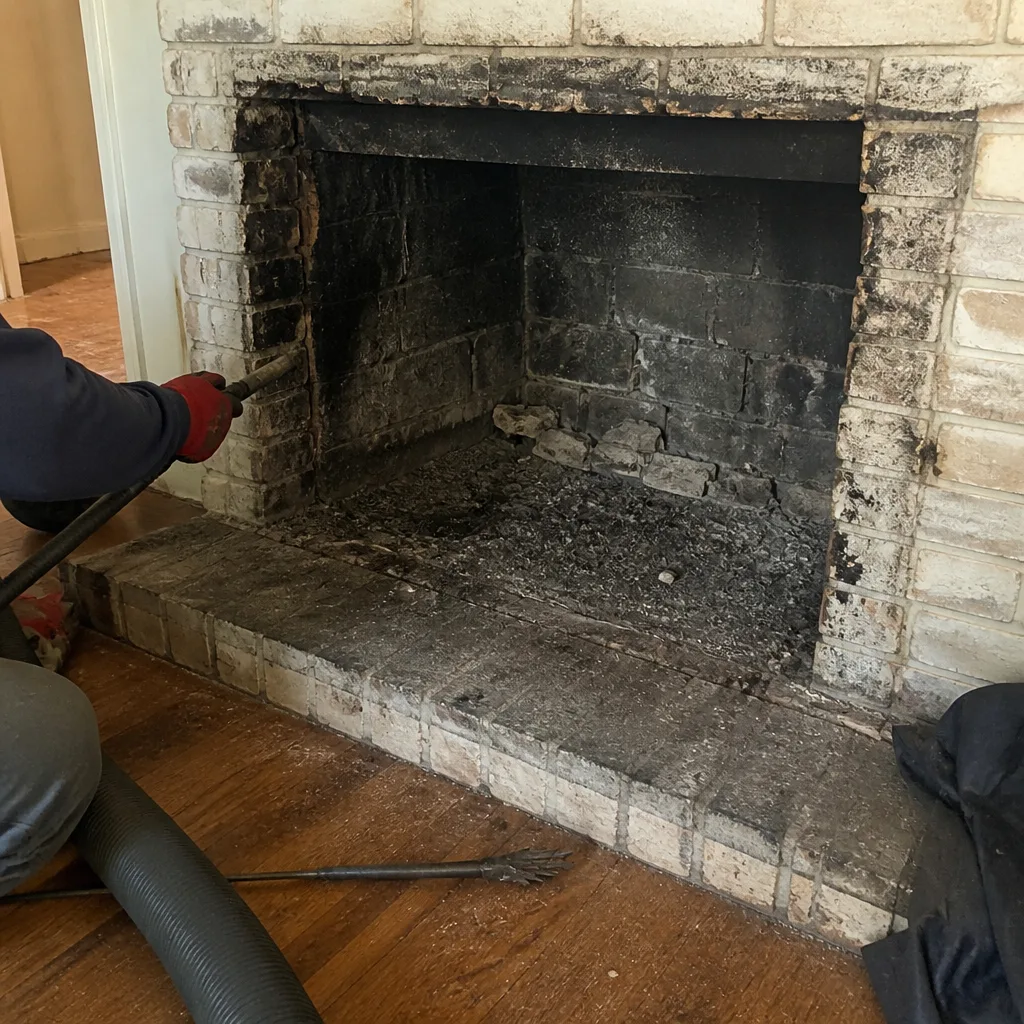 Before
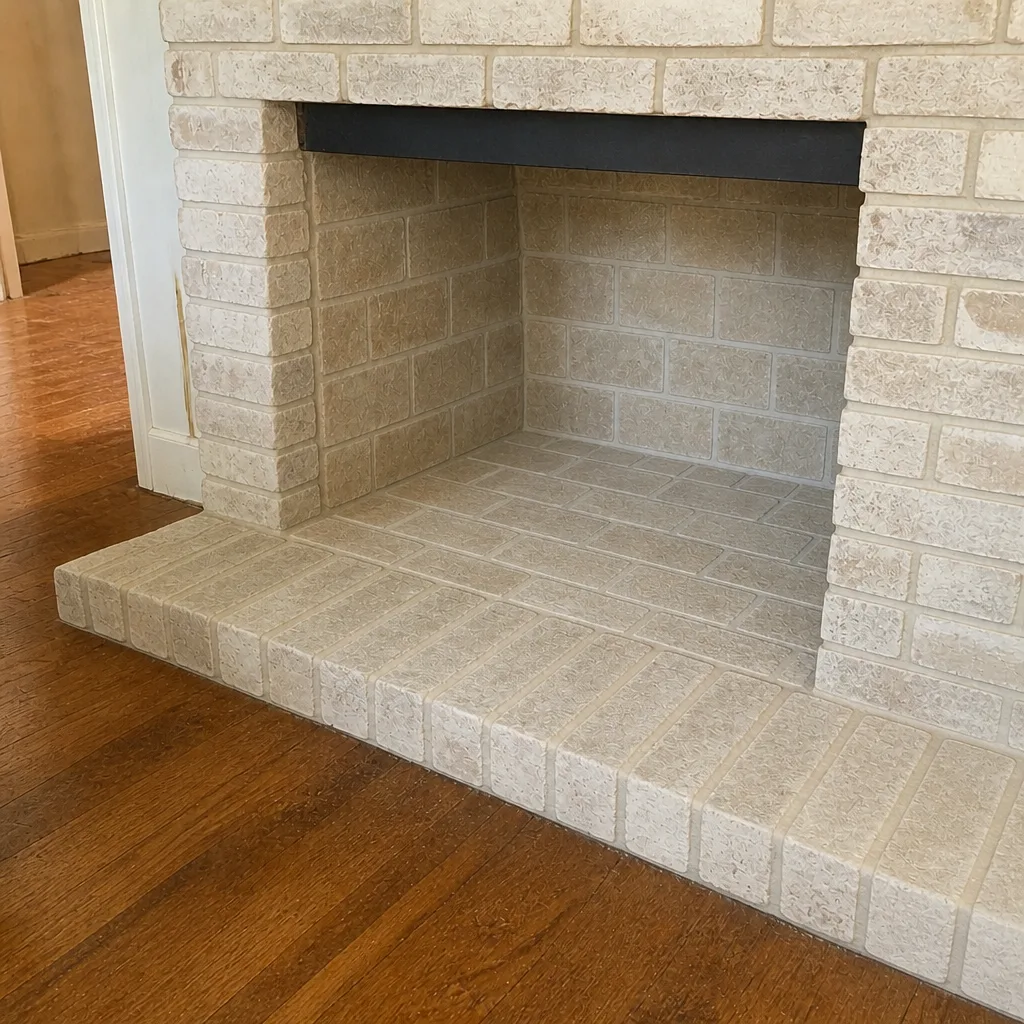 After
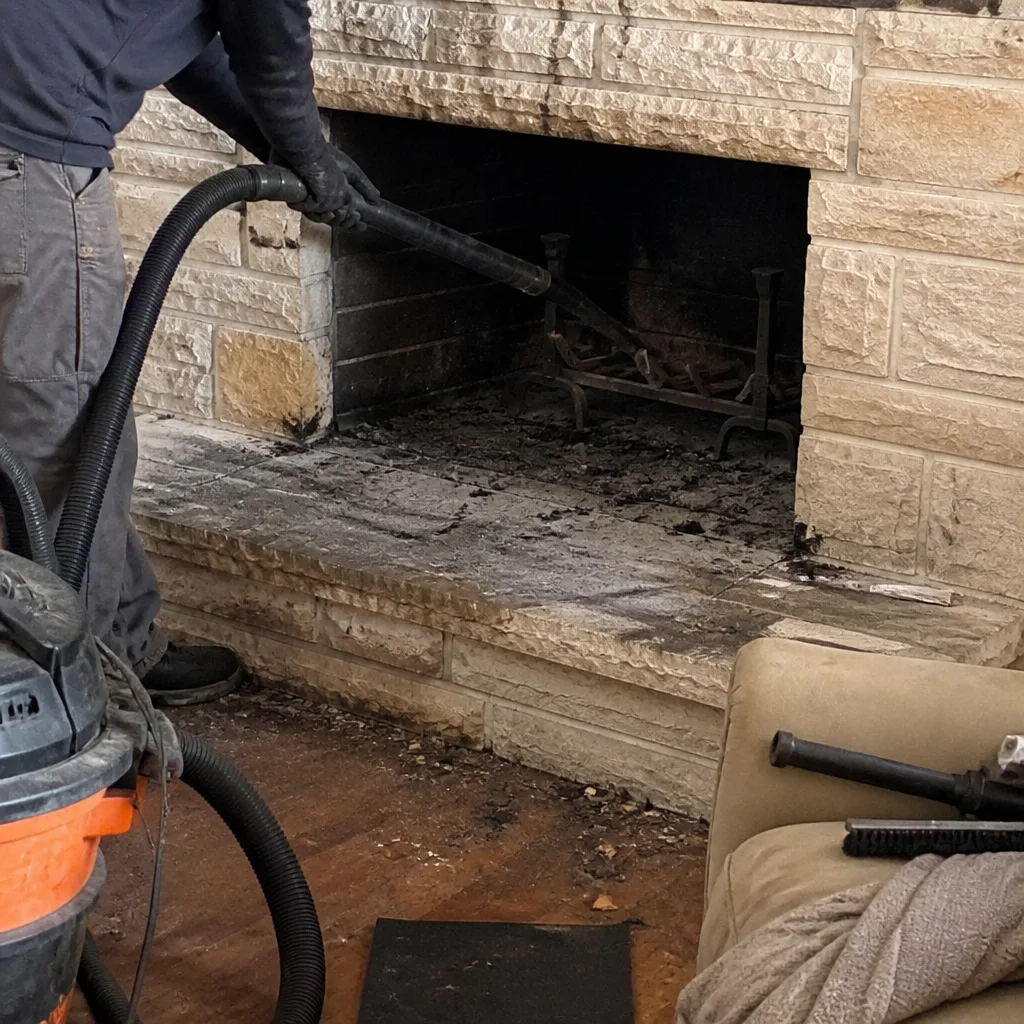 Before
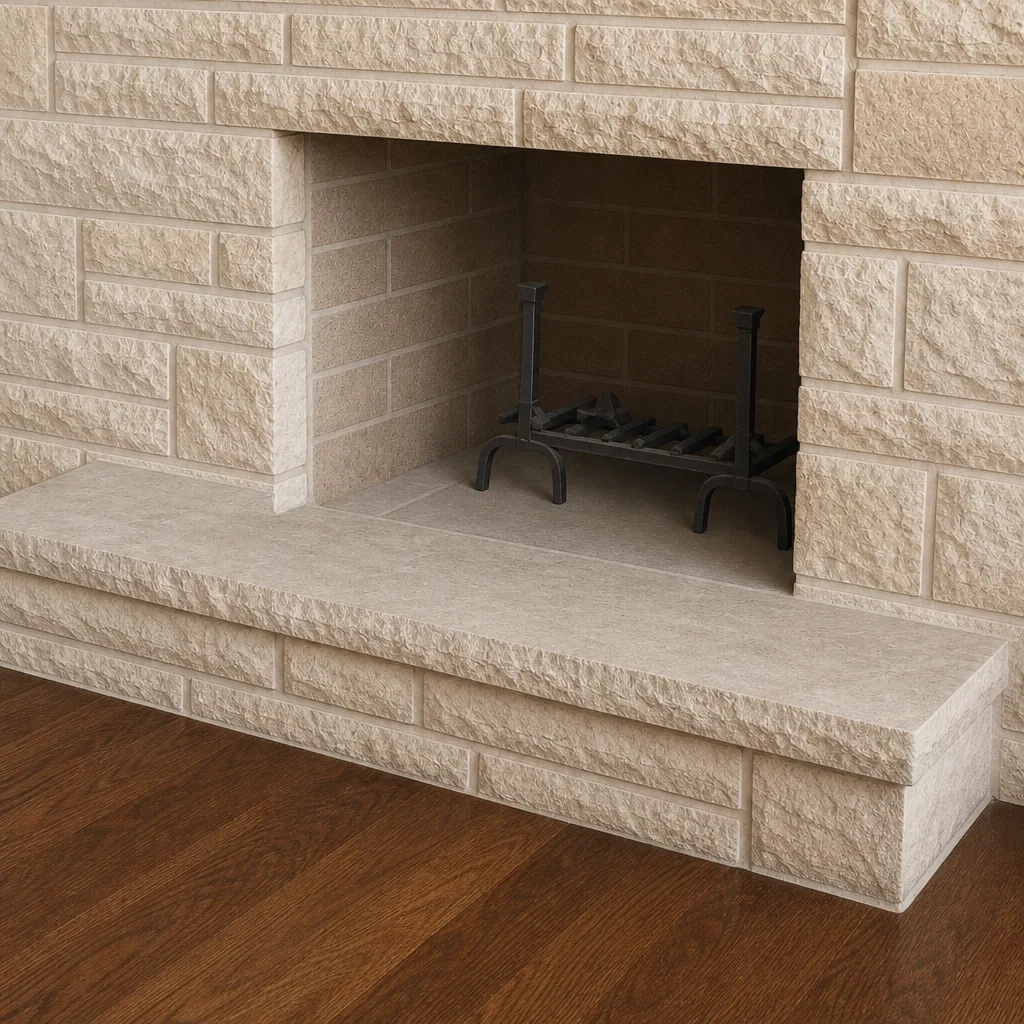 After
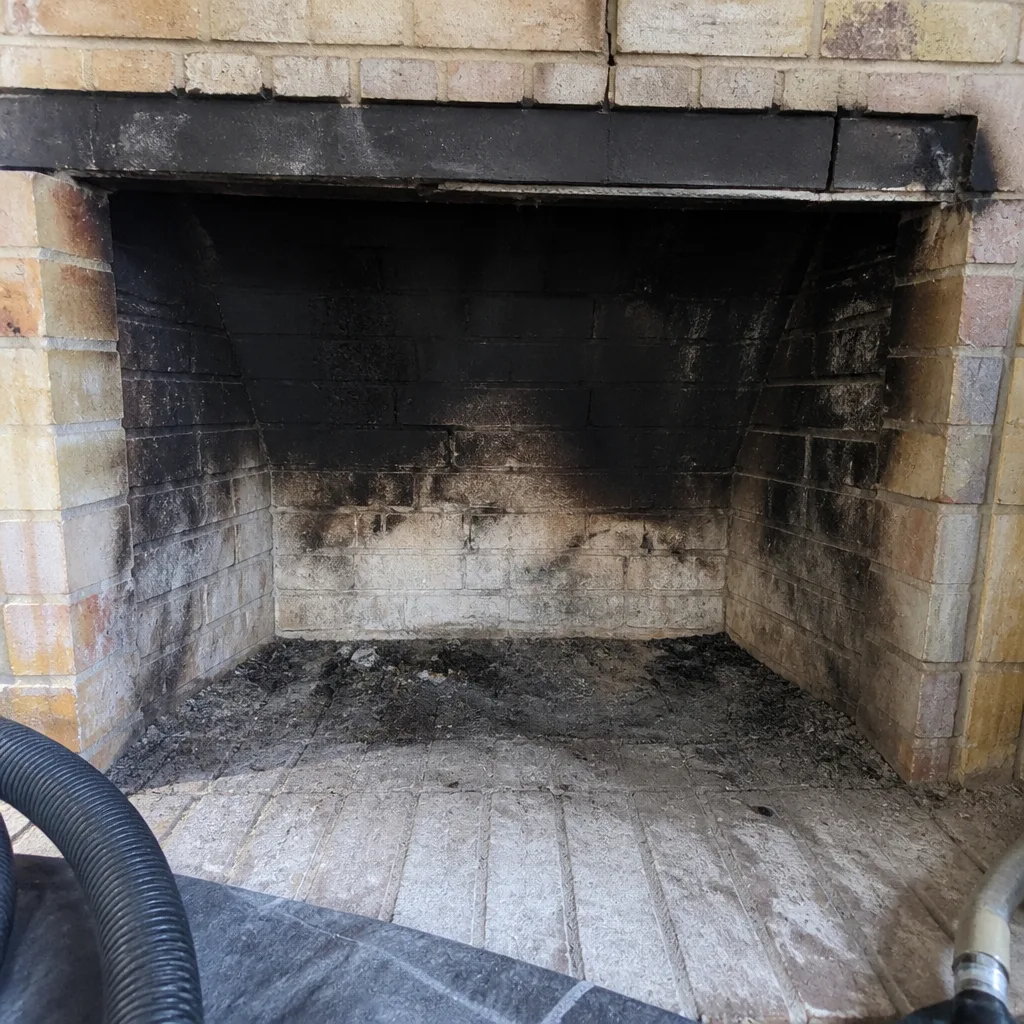 Before
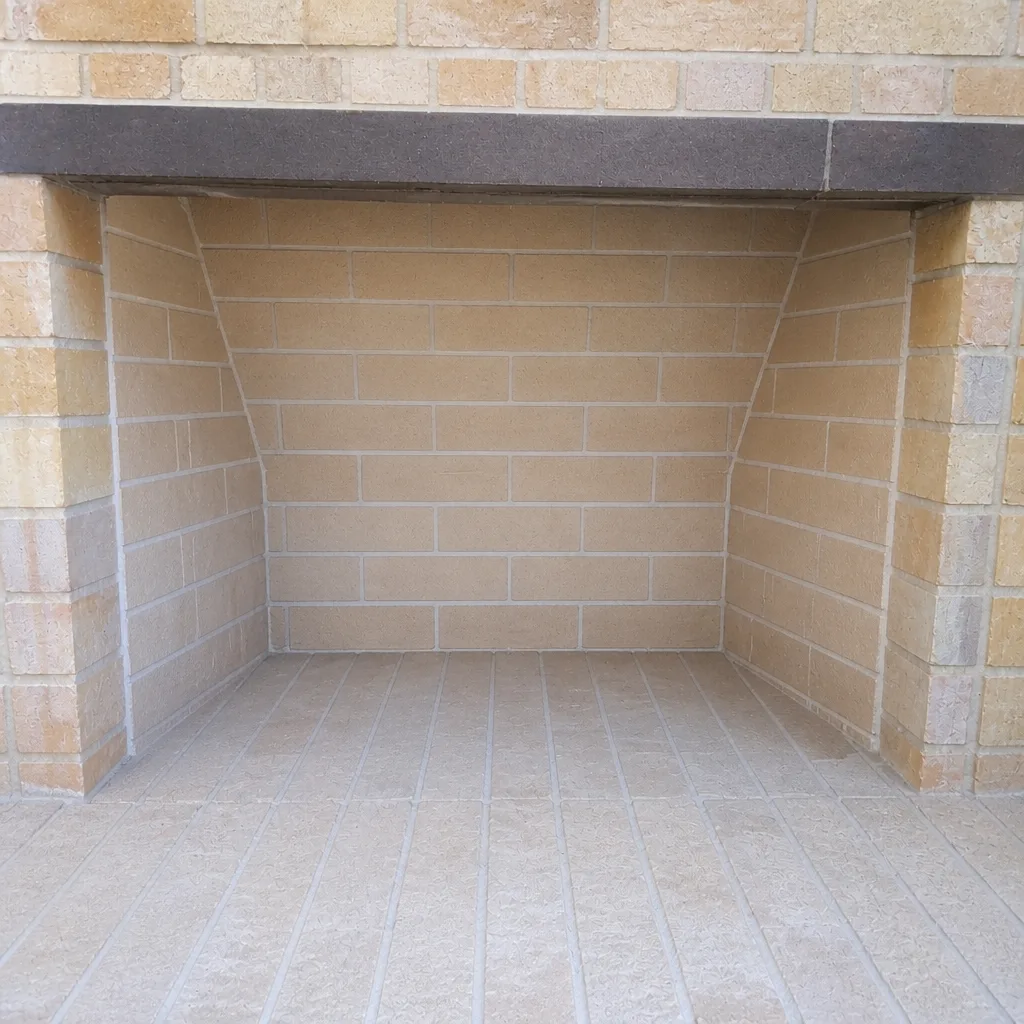 After
Common Mistakes to Avoid
- Hiring the first search result without checking credentials. Ranking first in a local search is a marketing result, not a quality signal. Check the CSIA directory before you book, not after.
- Accepting a phone quote without a written estimate. A phone number is not a scope. Ask for the estimate in writing, itemized by job, before anyone arrives.
- Confusing a sweep with an inspection. A cleaning appointment is maintenance. If you want to know whether your flue is safe, ask for an inspection and a written report. Paying for a sweep and calling it an inspection is one of the most common Meyerland mistakes.
- Agreeing to a reline on the first visit with no camera evidence. A full liner replacement is a legitimate repair, but it should follow a documented inspection, not a glance at the fireplace. Ask to see the footage.
- Skipping the cap and crown. In Houston’s humidity, a missing cap or cracked crown is a moisture pathway. Many homeowners focus on the sweep and never check the top of the chimney, which is where much of the damage originates.
- Choosing a general handyman for a chimney job. Chimney work involves products designed specifically for flues and fireplaces – liner material, cap fittings, crown sealants – and a generalist who doesn’t stock those products will improvise or subcontract. Neither is what you want above your fireplace.
- Ignoring a written report you don’t understand. If the inspection report doesn’t have photos and plain-language notes, ask for a version you can follow. You should be able to see what the technician saw.
Frequently Asked Questions
A chimney sweep in Meyerland typically runs in the $150 to $300 range for a standard flue, with inspections and repair work priced separately, and the written estimate sets the final price. Costs vary by flue length, accessibility, and whether the sweep needs to clear heavy creosote buildup. Call (833) 696-2226 for an exact quote – estimates are free.
You need a new liner when the existing lining is cracked, detached, or otherwise compromised, and you should never accept a reline recommendation without seeing the camera footage that supports it. Ask the technician to walk you through what they found on screen. If they can’t, get a second opinion. A HeatShield resurfacing is sometimes an option instead of a full liner replacement, depending on the condition. Call (833) 696-2226 to schedule a documented inspection – estimates are free.
Once a year during regular use is the standard answer, and in Meyerland’s climate with a fireplace that sees frequent winter and shoulder-season use, that annual sweep is the practical baseline. If you burn heavily or burn unseasoned wood, more frequent sweeping may be warranted. Call (833) 696-2226 to book an annual sweep – estimates are free.
Creosote accumulates in the flue with every fire, and heavy creosote buildup is a leading contributor to chimney fires. Beyond fire risk, a blocked or partially blocked flue can allow carbon monoxide to back up into the living space instead of venting outside. We don’t say that to frighten anyone – it’s simply what the system is for. A sweep clears the risk. Call (833) 696-2226 to book one – estimates are free.
Yes, and you should. The CSIA, NFI, and NCSG each maintain a searchable directory of active credential holders, and you can look up a specific company or technician’s name. If a company claims a certification that doesn’t appear in the directory, ask for clarification before booking. Our team can point you to what a verified credential looks like for any company we connect you with.
A sweep cleans the flue; an inspection evaluates the condition of the whole chimney system and produces a written report, and the two are separate services even when they happen on the same visit. If you need an honest assessment of whether your chimney is safe before the next burning season, request a standalone inspection. Call (833) 696-2226 for a free estimate.
The Bottom Line
Hiring a chimney contractor in Meyerland comes down to a short, verifiable checklist: a real credential (CSIA, NFI, or NCSG) you can confirm in the issuing organization’s directory, a company that stocks and installs professional materials rather than subcontracting every repair, a written estimate with a real scope, and a technician who documents what they found with photos and plain language. A company that passes those checks is a chimney specialist. A company that dodges them is a generalist with a brush. The difference shows up in your chimney over the next few seasons, and it’s a lot cheaper to check credentials now than to fix a compromised flue later.
Meyerland homeowners deserve chimney work done by chimney specialists – one company, every part of your system. Whether you need a routine chimney sweep, a cap or crown repair, or a fireplace repair, we connect you with a local professional who handles the whole job. Call (833) 696-2226 for a free estimate. We answer 24/7. Fast dispatch from 7am to 7pm, Sunday through Friday.
Written by the team at Chimney Sweep Meyerland.